

Many of us want to hear God's voice, yet we often look for something dramatic while God has already spoken with authority in Scripture. When we chase feelings and ignore the Bible, we put ourselves in a dangerous place.
The good news is simple. God is not hiding from His people. He speaks through His Word, by His Spirit, and always in a way that leads us to Christ, truth, and obedience.
So if we want clarity, peace, and real direction, we must start where God starts.
God’s Word Is the First Voice We Trust
The Bible is not one voice among many. It is God's written Word, and it stands above every impression, dream, or feeling. Second Timothy 3:16 to 17 says all Scripture is breathed out by God and equips us for every good work. That means Scripture is not background material for hearing God. Scripture is the ground we stand on.
Hebrews 1:1 to 2 also gives us a firm anchor. God spoke in many ways in former times, but now He has spoken to us by His Son. We know the Son truly through the Scriptures. So when we ask how to hear God, we are not asking for a private path around the Bible. We are asking for grace to hear what He has already said and to receive it with faith.

Jesus said, "My sheep hear my voice, and I know them, and they follow me" (John 10:27). In that passage, hearing is tied to following. His sheep do not treat His voice as a thrill. They trust Him, they know Him, and they obey Him. In other words, hearing God's voice in Scripture is not mere information. It is living fellowship with Christ.
The Holy Spirit does speak to believers, but He never speaks against the Word He inspired. He brings truth to remembrance, as Jesus said in John 14:26. He shines light on the page. He convicts us of sin. He strengthens our faith. That is why teaching on Holy Spirit speaking to your spirit matters, because the Spirit works in the inner man, yet He always honors Scripture.
If what we think we hear cannot stand beside an open Bible, we should not call it God's voice.
Psalm 119:105 says God's Word is a lamp to our feet and a light to our path. A lamp usually gives enough light for the next step, not the next ten years. So we do not need mystical certainty. We need biblical light, daily bread, and a willing heart. That is also why messages like Learning to Hear God's Voice can help point us back to the place where true hearing begins, under the authority of God's Word.
Prayer Softens the Heart to Listen
Prayer is not a trick for pulling secret knowledge out of heaven. Prayer is how we bow our hearts before the God who has spoken. Philippians 4:6 to 7 tells us to bring everything to Him with thanksgiving. As we pray, God's peace guards our hearts and minds. Prayer settles our fears so we can listen with a clean heart.
James 1:5 says that if we lack wisdom, we should ask God. Psalm 25:4 to 5 says, "Make me to know your ways, O Lord; teach me your paths." That is the tone of biblical listening. We come humbly. We do not demand signs. We ask for wisdom, and we submit to what God says.
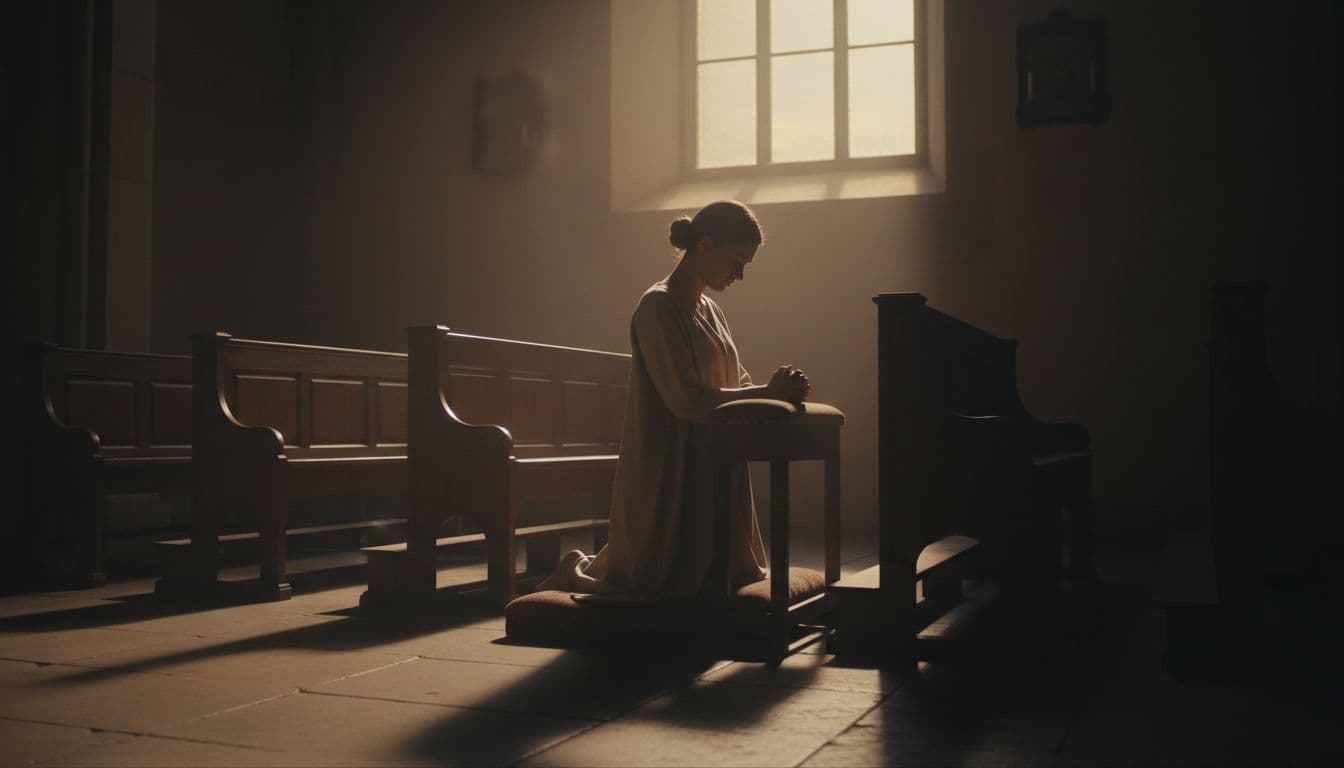
Some of us worry because we have never heard an audible voice. Yet Scripture never teaches that an audible voice is the normal mark of maturity. Often, God guides through His written Word, a Spirit-shaped conviction, a verse brought to mind, or wisdom that grows clear in prayer. Elijah heard a low whisper in 1 Kings 19, but that was not a license to chase whispers. It was a call to humility after noise, fear, and exhaustion.
So if we feel that we have never heard God's voice, we should not lose heart. If we have been convicted of sin by Scripture, comforted in grief by a promise, or directed toward obedience by truth, God has not been silent. He has been speaking. We should also be careful with our words. It is better to say, "We believe the Lord may be leading us," than to speak with pride and claim more certainty than Scripture gives. A deeper life of prayer, such as the call to Plug into the Power of Prayer, helps train our hearts to listen with reverence.
Test Every Impression and Obey What God Confirms
Not every inner nudge is from God. First John 4:1 tells us to test the spirits. First Thessalonians 5:21 says to test everything and hold fast to what is good. This is not unbelief. This is obedience. God never asked us to become gullible.
A wise test is plain:
- Does it agree with Scripture? God will never guide us into sin, bitterness, false doctrine, or pride.
- Does it honor Christ? The Spirit glorifies Jesus, not self.
- Does it produce the fruit of the Spirit? God's leading may stretch us, but it will not feed the flesh.
- Can mature believers weigh it with us? Proverbs 11:14 teaches the safety of godly counsel.
We should also notice what happens next. God's voice calls for obedience. James 1:22 says we must be doers of the Word, not hearers only. If Scripture tells us to forgive, pray, flee lust, tell the truth, or care for the needy, we do not need a second message. Many people say they want clearer guidance, while they resist the last clear command God gave.
Sometimes we want direction for the future while ignoring obedience in the present. That is like asking for a map while refusing to take the first step. As we obey what is clear, our hearing grows sharper. Our consciences stay tender. Our thoughts become less clouded.
Fasting can help quiet the noise of the flesh, but it does not replace the Bible or force God's hand. It is a way of humbling ourselves before Him. When practiced with prayer and Scripture, seeking God through fasting can help us put appetite in its place and keep our heart attentive.
The Shepherd Is Not Silent
God's primary way of speaking is His Word. That truth guards us from confusion and keeps our feet on solid ground. When we open the Bible, pray humbly, test every impression, and obey what God confirms, we are not wandering in the dark.
So let us stop waiting for a dramatic sign while neglecting the open Book in front of us. Let us read, pray, and obey today.
The Shepherd still speaks, and His sheep still hear Him.