

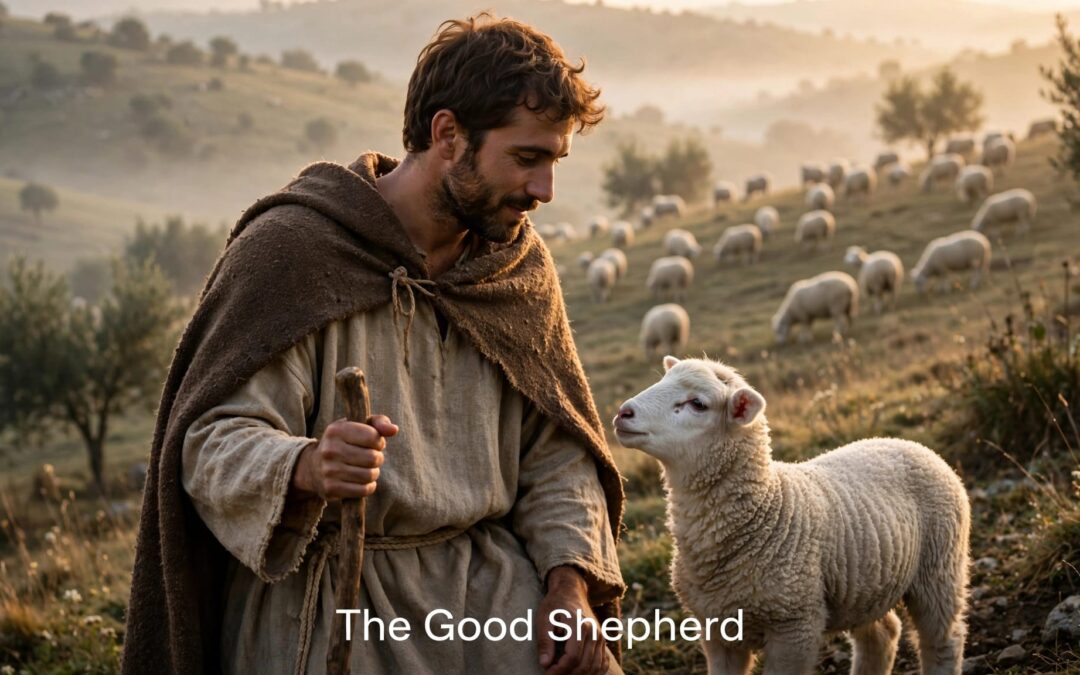
Jesus the Good Shepherd: The Door Who Seeks the Lost
Jesus is the Good Shepherd who willingly laid down His life for the sheep, and He is the Shepherd who searches for the one that has wandered away. Our only hope is in Him, because we cannot save ourselves or protect ourselves by our own strength. Josh Knight’s...
A New Way Home: The Holy Spirit Working Through You
The Holy Spirit empowers us to carry the life of Christ to people who need Him. Your calling includes the people you meet, the needs you notice, and the opportunities God places before you. Pastor Jim McIntosh’s message, “A New Way Home,” calls us to...
What Scripture Teaches About the Marriage Covenant
Scripture teaches that a marriage covenant is a lifelong commitment between a husband and wife, made before God and accountable to Him. The wedding vows are a permanent commitment, binding two people to faithfulness, including the days when obedience costs more than...
What the Bible Says About Christian Singleness
The Bible honors Christian singleness as a life in which a believer can please God, serve His people, and walk in holiness. Marriage is good, but faithfulness to Jesus Christ is required of every believer, whatever their marital status. We must begin there, because...
Pastor Lane Farley: Prepare for a New Season
God continues to shape His people, and preparation for a new season requires a willing response. You can’t expect spiritual growth while refusing the obedience, patience, and preparation that growth requires. At Kingdom Builders, Pastor Lane Farley taught that...What’s New?
Latest
 Buried in Your Baggage: Answering God’s CallFear, past wounds, and familiar comforts can become hiding places that keep you from answering God's call. We must respond to the Holy Spirit instead of letting those burdens limit how we choose to obey.
At our May 27, 2026, Kingdom Builders service, Brother Nick Sexton preached "Buried in Your Baggage," calling us to lay down what holds us back. His message began with a truth that reaches beyond public ministry: preparation happens when nobody is watching.
Key Takeaways
Answering God's call begins with private faithfulness through prayer, Scripture, and obedience when nobody is watching.
Fear, past pain, and familiar comforts can become burdens that keep us from following God's direction.
Past struggles and labels don't have the final word. Jesus delivers, and we must continue responding to Him.
Ministry happens in everyday settings as well as on a public platform, wherever God has placed us.
We can bring our cares to God and obey Him with dependence on Him, even when the assignment costs us comfort.
Faith Rests in God's Unchanging Character
We began with prayer for serious health concerns, family struggles, healing, and direction. While our School of Ministry graduation was taking place, we also prayed for those completing their training.
Worship through "Our God" and "Goodness of God" directed our attention to His power and faithfulness. Psalm 46:1 declares that God is our refuge and strength, a present help in trouble.
We don't have to understand every difficulty before we worship Him. The sacrifice of praise comes when circumstances look discouraging, yet we still declare that God is good. Hebrews 13:8 establishes our confidence: Jesus Christ remains the same yesterday, today, and forever.
Hidden Obedience Prepares You for Responsibility
Brother Nick emphasized prayer, studying Scripture, and following God's direction in choices nobody else sees. Those hidden decisions matter because public responsibility requires private faithfulness.
Jesus said in Luke 16:10 that the person faithful in little is also faithful in much. We cannot separate the calling we desire from following God's will, because disobedience blocks the private preparation responsibility requires.
Prayer with an open Bible matters. Resisting temptation when nobody is watching matters. Your response to God in private matters.
This is why preparation cannot be replaced by visibility. A microphone, a platform, or public recognition cannot do the work of consecration. Our teaching on Biblical discipleship and obedience carries that same conviction: learning must produce faithful practice.
Preparation Requires Patience and Surrender
Brother Nick shared how he once believed he was overdue for a promotion. After eventually receiving that responsibility, he thanked his supervisor for making him wait. He recognized that the earlier opportunity would have brought pressure he wasn't prepared to carry.
We must receive preparation as part of God's plan, without judging delays by our expectations or treating them as rejection. Growth requires us to be ready to respond to God's instruction.
Hebrews 12:1 tells us to lay aside every weight and the sin that entangles us. Brother Nick illustrated this by loading a backpack with weights during a children's message.
Some things weighing you down aren't sinful in themselves, but they still hinder your obedience. A weight must be laid aside when it keeps you from running the race God has placed before you.
Baggage Can Become a Place of Retreat
Brother Nick described baggage as unresolved issues, painful experiences, fear, and burdens carried out of the past. Familiar struggles can become places of retreat when obedience begins to feel uncomfortable.
You may feel comfortable in a kitchen, behind an instrument, or with a hammer in your hand. Those are meaningful places of service. But when God calls you into another responsibility, familiarity mustn't become your reason for refusing Him.
"You won't win a battle laying in the luggage of your past."
We must recognize the difference between serving faithfully where God has placed us and using familiar work to avoid what He is asking next. Comfort cannot govern our response to God.
Your Past Doesn't Have the Final Word
Brother Nick testified that the Lord saved him in 2012 after struggles involving depression, suicidality, alcohol, addiction, and bondage. He described 14 years of sobriety and serving God.
Yet salvation didn't erase every consequence of his previous choices. As his relationship with Kate developed, he told her plainly that he carried unresolved burdens, including trust and financial issues.
He also acknowledged that he sometimes used those burdens as an excuse when he sensed God calling him deeper.
We must hear both parts of that testimony. Jesus delivers, and the person He delivers must continue responding to Him. Past pain and consequences don't give fear the authority to direct your future.
Labels such as unreliable, broken, rejected, or unfit mustn't become stronger in your thinking than God's call to obey Him.
God Uses Willing People
Brother Nick reminded us that God called shepherds and fishermen. A polished background isn't required to serve as a preacher, prophet, or in another role. A willing heart matters more.
In Acts 10:1-4, Cornelius feared God, gave generously, and prayed continually. His prayers and giving came before God, and his household became part of the Holy Spirit's ministry among the Gentiles.
We mustn't dismiss someone because that person didn't grow up understanding church customs. God sees readiness that people may overlook.
Brother Nick also shared that he's the first preacher in his family. A recognized family name isn't required to answer the Lord. Our responsibility is choosing to serve the Lord with the life He has given us.
Ministry Reaches Beyond the Pulpit
Pastor Terry closed with a necessary reminder: much of our ministry happens in classes, behind the scenes, and away from the platform.
He described opportunities he and Sister Tammy have had to minister to coworkers and callers in their call-center work. God can use you among people another believer may never meet.
Where God has placed you matters. A public platform isn't required for faithful ministry, and accepting responsibility doesn't always mean standing before a congregation.
Our teaching on serving in the church with humility reinforces this truth. We serve Christ by faithfully following His direction, including in work that receives little recognition.
Cast the Burden on the Lord
Brother Nick closed by calling us to prayer. First Peter 5:7 directs us to cast our cares on God because He cares for us.
Casting those cares means surrendering their weight to Him instead of continuing to carry them as reasons to hide. We bring unresolved feelings, bitterness, fear, and painful experiences before the Lord.
That surrender doesn't promise an easy assignment. Second Timothy 2:12 connects enduring with reigning with Christ. Revelation 5:10 speaks of His redeemed people as kings and priests to God.
We must answer His call with dependence on Him, even when following Him costs us comfort.
Frequently Asked Questions
What does it mean to answer God's call?
It means following God's direction with a willing heart, including in private choices and everyday responsibilities. A public platform isn't required for faithful ministry.
How does private obedience prepare someone for responsibility?
Prayer, studying Scripture, and resisting temptation in unseen moments build faithfulness. Luke 16:10 teaches that faithfulness in little things matters.
What kinds of baggage can keep someone from obeying God?
Unresolved issues, painful experiences, fear, and familiar comforts can become reasons to retreat. Even something that isn't sinful can hinder obedience if it keeps someone from following God's direction.
Do past struggles disqualify someone from serving God?
The article teaches that past pain and consequences don't have the authority to direct a person's future. Jesus delivers, and the person He delivers must keep responding to Him.
How can we cast our cares on the Lord?
Bring unresolved feelings, bitterness, fear, and painful experiences before God instead of carrying them as reasons to hide. Surrender doesn't promise an easy assignment, but we can depend on Him as we obey.
Step Out of the Baggage
God's calling requires a willing response. We cannot keep treating fear, painful labels, or familiar burdens as permission to remain hidden.
As His sheep, we follow the Good Shepherd, listen for His voice, bring our burdens to Jesus, and ask the Holy Spirit to search our hearts. Then we obey where He has placed us, trusting Him with the responsibility He has given us. The baggage must no longer determine our response to God. [...]
 Jesus the Good Shepherd: The Door Who Seeks the LostJesus is the Good Shepherd who willingly laid down His life for the sheep, and He is the Shepherd who searches for the one that has wandered away. Our only hope is in Him, because we cannot save ourselves or protect ourselves by our own strength.
Josh Knight's message brought us back to this truth: Jesus knows His sheep, calls them, and brings the lost home. Before opening Scripture, our gathering began with gratitude for being in His presence.
Key Takeaways
Jesus is the Good Shepherd who knows His sheep and willingly laid down His life for them. Salvation comes through Him alone.
In Ezekiel 34, God promises to search for His scattered sheep, care for them, and bring back those who have wandered.
Believers stay close to Jesus by hearing His voice, dwelling in Scripture, praying, and praising Him.
Jesus seeks those who have strayed, and believers can pray for loved ones and invite them to hear His Word.
The Privilege of Being in God's Presence
The opening song declared a simple preference: being in church with our minds on God rather than sitting on a bank fishing. Sarah Knight followed with Psalm 84:10, recalling that one day in God's courts is better than a thousand elsewhere.
Sarah described taking children to piano practice, preparing supper, and trying to arrive at church on time. In the middle of those responsibilities, she recognized her need for God's presence. A busy, Martha-like life still needs a heart willing to sit at Jesus' feet.
Our worship in spirit and truth included thanksgiving for salvation and praise declaring God's greatness. Brenley Knight joined her parents, Josh and Sarah, for "Amazing Love," then expressed her gratitude for being saved and serving the Lord.
God Himself Will Shepherd His People
Josh began "The Good Shepherd" with Ezekiel 34:11-16. Israel's leaders had neglected God's people, and God declared that He Himself would search for His scattered sheep.
He would provide for their needs and care by gathering them, feeding them, giving them rest, bringing back those driven away, binding up the broken, and strengthening the sick. The passage also declares His judgment against the fat and strong.
God Himself would care for His flock. Josh connected that promise to Jesus Christ, God manifested in the flesh through David's lineage, fully God and fully man. The One who came among us came to seek and save those who were lost.
Sheep Need Care and Protection
Josh drew on his School of Ministry studies and a documentary about shepherding. Sheep provide wool, milk, and meat, but they also form strong bonds with their flock and become distressed when separated.
Their vulnerability carried the sermon's point. Sheep have little defense against predators, and wandering away from the shepherd places them in danger.
Josh also described their ability to graze close to the ground. He connected that picture to receiving God's Word fully, rather than taking only from the surface. Psalm 23 says, "The Lord is my shepherd"; the rod and staff show God's guidance and protection. We need the nourishment of Scripture and His guidance.
Jesus Is the Door
In John 10:14-15, Jesus identifies Himself as the Good Shepherd who knows His sheep. In John 10:11, He says, "I am the good shepherd," and willingly chose to lay down His life for them.
Josh illustrated this through a sheepfold shown in the documentary: stone walls surrounded the sheep, but there was one narrow entrance without a physical door. At night, the shepherd lay across that opening, placing himself between the flock and danger.
That picture directed us to Jesus' willing sacrifice. He laid down His life, and salvation is through Him alone.
The shepherd lay in the opening between the sheep and danger. Jesus willingly laid down His life for His sheep.
Back to John 10:9-10, Jesus declares Himself the door and promises salvation to those who enter through Him. The thief comes to steal, kill, and destroy; Jesus came to give abundant life.
We cannot become good enough to save ourselves. If human goodness could secure eternal life, there would have been no need for the cross. We have gone astray, and we need a Savior.
Staying Close Requires an Intentional Relationship
Josh described one sheep leaving the flock, traveling about 100 yards, and looking back before continuing away. The flock followed the shepherd's familiar call, but that sheep chose another direction.
People can wander through curiosity, distraction, blindly following others, or deliberate disobedience. The answer Josh gave was an intentional relationship with Jesus:
Read John 10:27: His sheep hear His voice and follow Him.
Dwell in Scripture, where Jesus guides believers as their spiritual mentor.
Pray continually and praise Him with your whole heart.
Jesus knows His people and says, "I know My sheep." A "touch and go" relationship leaves room for drifting. We need to remain close.
Josh also recalled a wolf reacting to the scent where a shepherd had walked. Unlike the Good Shepherd, a hired hand abandons the flock when danger comes. Josh used the scene to emphasize our dependence on Jesus' authority and the power of His blood. His exhortation was direct: if the enemy is pursuing you, stay close to the Good Shepherd.
The Shepherd Searches for the One
Josh returned to Matthew 18:12, where Jesus describes the search for one sheep that has strayed. The lost sheep's hope rests in the shepherd coming to find it.
He pictured a sheep alone in the dark, cold and trembling, until it recognizes the shepherd approaching. Its head lifts because rescue is coming. No darkness prevents Jesus from calling the wanderer home.
Josh's Testimony of Being Found
Josh shared that the Lord saved him at 13. He remembered a broken home, fighting, his mother being taken away by police, and the pain surrounding his parents' divorce.
He also remembered the day the Lord found him and lifted him. Jesus became the faithful Friend who met him in that brokenness.
His testimony gave personal weight to the message. The Shepherd knows the wounds of those He rescues, and His presence remains through both good days and difficult days.
Prayer for Those Who Have Wandered
The message led us into prayer for loved ones who need Jesus. Josh invited those seeking salvation or special prayer to come forward, and he called us to bring our families and friends before the Lord.
He also recalled a fallen tree that opened a conversation with his neighbor about church. An inconvenient situation became an opportunity to invite someone to worship.
We prayed for God to open such opportunities, send people to share His Word, and reach those who were far from Him. Pastor Terry prayed for the Holy Spirit to bring conviction, break the enemy's strongholds, and draw people in our community into a relationship with Jesus.
The burden was clear: we want those we love to know the Shepherd who came to save them.
Frequently Asked Questions
Who is the Good Shepherd?
Jesus is the Good Shepherd who knows His sheep and willingly gave His life for them. His care fulfills God's promise to search for and gather His scattered people.
What does it mean that Jesus is the door?
The shepherd in the sheepfold illustration lay across its entrance to protect the flock. Jesus calls Himself the door and promises salvation to those who enter through Him.
How can believers stay close to Jesus?
Read Scripture, follow His voice, pray continually, and praise Him with your whole heart. John 10:27 says His sheep hear His voice and follow Him.
What does Jesus do for someone who has wandered away?
Jesus searches for the lost, like the shepherd in Matthew 18:12 who goes after the sheep that strayed. His call is a call to come home.
The Good Shepherd Calls the Lost Home
Our faith rests in Jesus Himself. He willingly gave His life for the sheep, and His call to the wanderer is a call to come home.
The gathering closed with prayer for Josh and his family, with continued prayer available for anyone needing healing. We left with gratitude for our church family and renewed concern for those who still need the Good Shepherd. [...]
 A New Way Home: The Holy Spirit Working Through YouThe Holy Spirit empowers us to carry the life of Christ to people who need Him. Your calling includes the people you meet, the needs you notice, and the opportunities God places before you.
Pastor Jim McIntosh's message, "A New Way Home," calls us to live with expectation and act upon the faith we profess. That calling begins with the new life Jesus gives.
A Life Preserved and Later Made New
In March 1971, Jim was serving in Vietnam on a helicopter rescue crew when his helicopter was shot down. During a church service back home, the congregation felt an urgent burden to pray for him.
Another helicopter rescued the crew. When the accounts were compared afterward, the church's prayers corresponded with the time Jim was in danger.
Jim hadn't yet surrendered his life to Christ. God preserved his physical life that night, and a year later, Jim received salvation.
He honored his wife, Barb, whose patient Christian witness helped lead him to Jesus. He knew little about God beyond what she had lived before him, but his encounter with Christ changed his direction.
"I went to that altar and I went home a new way."
Pastor Jim McIntosh
New Life Must Become Visible
2 Corinthians 5:17 declares that anyone in Christ is a new creation. Old things have passed away, and all things have become new.
This new life reaches our conduct, our desires, and our purpose. We must live according to what Christ has done within us rather than remain governed by the old life.
Our opening reading from Romans 8:7-10 established this distinction. The flesh cannot please God, but the Spirit of God dwells in those who belong to Christ.
Christ gives us a new identity, and that identity must shape how we walk. Through His righteousness and the indwelling Spirit, we can please the Lord and live in His power.
Holy Spirit Power Reaches Your World
In Acts 1:8, Jesus promised power after the Holy Spirit came upon His followers. They would become His witnesses in Jerusalem, Judea, Samaria, and the ends of the earth.
Jim distinguished between the world and "your world." Missions reaches nations, while your daily life brings you into contact with people who also need Jesus.
We must remain available to the Holy Spirit's work wherever God directs our steps. A kind word, a kind deed, or an invitation to church can be an expression of Spirit-led ministry.
Colossians 1:27 calls this "Christ in you, the hope of glory." We cannot settle into what Jim called a "rescue box," concerned only with staying safe until the Lord takes us home. Christ has placed His life within us for service.
Rekindle the Gift God Has Given
2 Timothy 1:6-7 instructs Timothy to stir up God's gift and declares that God gives power, love, and a sound mind rather than a spirit of fear.
The Greek word anazopureo carries the meaning of rekindling. Jim emphasized an inward renewal, a fresh relationship with God that prepares us to obey Him each day.
He and Barb study and pray together. That fellowship with God must continue beyond the emotion of a worship service and into Monday morning.
Ephesians 4:8 speaks of Christ giving gifts. Those abilities and callings strengthen the church through service. We aren't all called to preach or sing, but we all have something to offer.
Don't allow your gift to remain dormant.
Obedience Includes Ordinary Moments
While their son was hospitalized, Jim and Barb were tired from repeated trips between home and the hospital. One evening, Jim backed into another car in the parking garage, saw a small mark, and drove away.
His conscience wouldn't leave him alone. He knew he needed to take responsibility.
Returning the next morning, Jim asked God to help him find the car in the large garage. He found it, left a note, and communicated with its owner. The matter ended well.
Jim recognized God's care in helping him correct his own conduct. Walking in the Spirit requires that kind of attention and obedience. We must respond when He deals with us, even when we're tired and the matter seems small.
Peter and John Stopped to See a Need
Illustration of the encounter at the gate called Beautiful.
In Acts 3:1-8, Peter and John were going to prayer at the ninth hour, about three in the afternoon. A man unable to walk from birth was carried daily to the temple gate called Beautiful to ask for money.
Jim drew four actions from their encounter:
Peter and John made time while they were already occupied with going to prayer.
They looked directly at the man and gave attention to his need.
Peter offered what he had through Jesus Christ rather than the money the man expected.
Peter took him by the right hand and helped him rise.
Peter's declaration in Acts 3:6 was direct: "In the name of Jesus Christ of Nazareth rise up and walk."
Then he acted upon that declaration. Faith reached out a hand.
Help People Rise
Jim pressed the responsibility upon us as people who pray. When someone is sick, afraid, or overwhelmed, we must bring faith alongside them rather than accuse them of lacking it.
Peter reached toward the man before seeing him stand. His action accompanied his declaration.
People may come to church seeking an answer to an immediate problem, yet encounter the eternal salvation and transforming power of Jesus Christ. Others need someone to help them through emotional pain or despair.
The man at the gate had arrived dependent upon others to carry him. After his healing, he could return home walking. Jim's closing picture was unmistakable: he went home a new way.
Prepare to Serve in a New Season
Illustrative worship scene.
Before Jim preached, Pastor Lane and Vicki Farley emphasized that our School of Ministry prepares believers to serve. As our physical capacity grows, we must also grow spiritually.
Jim shared his expectation that the new sanctuary would welcome people with many different needs. Some would come from curiosity. Others would come because they were hurting.
We must be ready for willing service, attentive to people and responsive to the Holy Spirit. You don't need someone else's calling. You need to obey the calling God has given you.
A New Way Home Begins With Surrender
The Holy Spirit works through believers who yield to Him, use what He has given, and put action behind their faith. Our prayer remains, "More of Him, less of me."
We have a responsibility to notice the person before us and extend a helping hand. Through Jesus Christ, that person can leave with a new way home. [...]
 What Scripture Teaches About the Marriage CovenantScripture teaches that a marriage covenant is a lifelong commitment between a husband and wife, made before God and accountable to Him. The wedding vows are a permanent commitment, binding two people to faithfulness, including the days when obedience costs more than either person expected.
We must understand what God calls marriage before deciding how to live within it. Feelings matter, but feelings cannot carry the authority that belongs to God's Word. The foundation begins with the One who established marriage.
Key Takeaways
Marriage joins a husband and wife in a lifelong covenant before God.
Covenant faithfulness requires truthful speech, sexual purity, sacrificial love, repentance, and forgiveness.
Marriage points to Christ's love for His church, and covenant language must never become permission to conceal abuse.
A Marriage Covenant Binds Spouses Before God
Covenant Means a Solemn Commitment
The Hebrew word berith, meaning covenant, can describe an agreement, treaty, or binding arrangement. The word alone doesn't make every covenant identical. We must understand the relationship and obligations described in the passage.
In marriage, covenant means that a husband and wife have pledged themselves to one another before God. Their promise reaches beyond particular tasks or possessions.
A contract commonly defines services, property, conditions, and sometimes an ending date. Marriage includes legal responsibilities, but its Biblical purpose is a lifelong union. A spouse is a person entrusted to your care, never a service you replace when dissatisfied.
God Joins Two People as One Flesh
Jesus said in Matthew 19:6, "What therefore God has joined together, let no man separate."
Jesus brought the question of marriage back to Genesis 2, the creation account He appealed to in Matthew 19. God established the union, and human convenience doesn't have authority to redefine His purpose.
Becoming one flesh includes bodily union, but it also reaches into loyalties, decisions, burdens, and responsibilities. Both spouses bear God's image. Neither becomes less valuable because the other is stronger, earns more, or speaks more forcefully.
God's Faithfulness Gives Covenant Its Meaning
God's covenants reveal His character. He speaks, He commits Himself, and He remains faithful to His Word.
In Exodus 19:5, God calls Israel to hear His voice and keep His covenant. Covenant relationship includes belonging, but it also includes obedience.
Jeremiah 31:31-34 and Hosea 2:18-20 speak of forgiveness, inward transformation, and faithfulness through covenant and marriage language. These promises concern God's relationship with His people. We shouldn't turn them into guarantees that every troubled marriage will recover.
They do reveal the character Christian spouses are called to display. God's faithfulness never makes Him indifferent to evil. His mercy calls people to return, and His holiness confronts their rebellion.
That means faithful love must have room for correction. We cannot claim to reflect God's covenant love while refusing God's command to repent.
Breaking Faith Is Serious Before God
Malachi Confronts Marital Treachery
Malachi 2:14-16 identifies the wife as a companion and covenant partner. The Lord witnessed that relationship, yet husbands were dealing treacherously with their wives.
God wasn't impressed with religious activity that existed alongside marital betrayal. The public offering didn't cancel the private wrongdoing.
"I hate divorce" is a familiar rendering of Malachi 2:16. We must hear that warning within the passage's condemnation of treachery and violence. It calls us to defend faithful marriage, never to protect the reputation of someone harming a spouse.
An Oath Requires More Than Good Intentions
Psalm 15:4 describes a Godly person who keeps an oath even when keeping it hurts. Faithfulness doesn't disappear when obedience becomes inconvenient.
C. S. Lewis, in Mere Christianity, describes the promise-breaking involved in marital infidelity as perjury. Adultery violates more than sexual boundaries. It betrays a solemn promise.
Hidden pornography, secret romantic messages, financial deception, and ongoing contempt also violate the faithfulness marriage requires. These sins aren't all identical, and they don't automatically carry identical consequences. Each must be brought into the light rather than defended.
Marriage Points to Christ and His Church
Christ Defines Sacrificial Love
In Ephesians 5:31-32, Paul repeats the creation teaching about becoming one flesh, then explains the mystery concerning Christ and the church.
Marriage bears witness to a greater relationship. A husband's love must be measured by Christ's self-giving love, and both spouses remain accountable to the Lord.
Christ's unconditional love is self-giving and holy, never a license to control or sin. Authority never permits cruelty. Submission never requires cooperation with sin. Jesus gives Himself for His people; He doesn't teach husbands to satisfy pride at their wives' expense. Our teaching on Christian marriage and covenant faithfulness applies that responsibility to the home.
Whole-Life Devotion Requires Holiness
Gary Thomas's Sacred Marriage presses a searching question about marriage's purpose: does God intend more than our personal happiness, including our growth in holiness?
That question should lead us to repentance. Marriage exposes selfishness that must be surrendered to Christ. It never makes another person's violence a necessary instrument of spiritual growth.
Roman Catholic teaching describes marriage as a sacrament and a sign of God's covenant love. Its Code of Canon Law, in canon 1055, calls marriage a "partnership of the whole of life"; canon 1057 describes spouses giving and accepting one another through consent.
Our teaching rests on Scripture's authority and the Holy Spirit's power to produce obedient, faithful love.
Keeping the Covenant Requires Daily Obedience
Pray Together and Respond to the Holy Spirit
We encourage married couples to pray together daily, even when the prayer is brief. Bring temptation, resentment, financial pressure, and decisions before the Lord.
The Holy Spirit empowers obedience, but spiritual language cannot replace repentance. A person can pray loudly and still refuse correction at home. We must yield when He exposes pride, dishonesty, or harshness.
Pray for your spouse without turning prayer into a sermon against your spouse. Ask God to correct your own conduct. Then obey what His Word requires.
Guard Speech and Keep Promises
Proverbs 18:21 says, "Death and life are in the power of the tongue." Divorce threats must never become weapons during an argument.
A blanket rule against ever mentioning divorce, however, can silence someone facing betrayal or danger. We should reject manipulation while allowing truthful conversations about serious wrongdoing.
Some couples write and sign a covenant document to remember their vows. That can help, but a signature doesn't produce faithfulness. Keep the promises already spoken: tell the truth about money, reject secret relationships, confess wrongdoing without excuses, and give your spouse undivided attention.
Encourage other couples toward the same obedience. Support their marriage by refusing to excuse either spouse's sin.
Covenant Faithfulness Never Excuses Abuse
Physical violence, sexual coercion, stalking, threats, and controlling behavior require serious action. Seeking protection is consistent with telling the truth about evil.
If you are in immediate danger, get to safety and contact emergency services. Seek help from trustworthy people who will take the danger seriously, including appropriate civil authorities and church leaders.
We must never demand that someone conceal abuse so a marriage appears intact. The person committing abuse is responsible for that wrongdoing.
Grace doesn't erase consequences, and reconciliation requires more than an apology. Repentance must become visible through changed conduct, accountability, and respect for necessary boundaries. One spouse cannot manufacture another person's repentance.
Our responsibility as a church is to uphold marriage while protecting the vulnerable and confronting sin. Those responsibilities belong together. A person who reports danger needs protection and patient care, not pressure to restore appearances.
Biblical Covenant and State Law Are Different
Arizona, Arkansas, and Louisiana offer a legal designation called covenant marriage. That designation isn't the same thing as the Biblical meaning of marriage.
Arizona's covenant-marriage statute requires premarital counseling addressing marriage's lifelong seriousness. Arkansas legal-aid guidance also describes counseling requirements before filing for divorce within that state's covenant-marriage system.
A Christian couple doesn't need that special designation for their vows to carry responsibility before God. An ordinary marriage license doesn't make faithfulness optional, and a covenant-marriage designation cannot produce spiritual obedience.
The law addresses civil obligations. Scripture addresses the heart and conduct of the people who made the promise.
Questions About the Marriage Covenant
Does Forgiveness Immediately Restore Trust?
Forgiveness and restored trust aren't identical. Believers must refuse vengeance and bitterness, but trust depends on demonstrated truthfulness.
After betrayal, we should expect accountability, honest answers, and sustained changes in conduct. Demanding immediate trust while resisting correction contradicts repentance. The wounded spouse must not be pressured to pretend the harm never happened.
Does Lifelong Commitment Make Every Divorce Question Simple?
No. Jesus addressed sexual immorality, and Paul addressed abandonment by an unbelieving spouse. Christians differ on some questions concerning divorce and remarriage.
We must handle those questions through careful Scriptural counsel, with truth and safety fully considered. A slogan cannot resolve every circumstance, and neither lifelong commitment nor mercy gives anyone permission to excuse ongoing evil.
Honor the Promise Before God
The marriage covenant calls a husband and wife to faithful love under the lordship of Jesus Christ. That faithfulness reaches into private conduct, costly obedience, honest repentance, and practical care.
We must hold together what Scripture holds together: lifelong commitment and holy conduct. Neither spouse has permission to betray the covenant while demanding that the other protect its appearance.
Bring your marriage before the Lord in truth. Ask the Holy Spirit to expose what needs repentance, and obey Him in the next clear responsibility. [...]
 What the Bible Says About Christian SinglenessThe Bible honors Christian singleness as a life in which a believer can please God, serve His people, and walk in holiness. Marriage is good, but faithfulness to Jesus Christ is required of every believer, whatever their marital status.
We must begin there, because pressure to marry can make believers question their worth, calling, and God's goodness. Singleness does not diminish their worth. Scripture gives a firmer foundation than other people's expectations, and Paul's instruction makes that foundation plain.
Key Takeaways
Scripture honors married and single believers.
You can desire a spouse while trusting God, obeying Him, and practicing contentment today.
Loneliness deserves honest prayer, faithful community, and practical care.
The Holy Spirit equips single believers for holiness and service.
Christian Singleness Has Biblical Dignity
Paul Called Remaining Unmarried Good
Paul writes in 1 Corinthians 7:8, "Now to the unmarried and the widows I say: It is good for them to stay unmarried, as I am" (NIV).
Paul wasn't describing an inferior Christian life. He called a life without a spouse good. His own single life included preaching, prayer, suffering for the Gospel, and strengthening churches. Marriage wasn't a qualification he needed before God could use him.
We must receive what Scripture says rather than measure spiritual maturity by a wedding date. Your relationship status doesn't determine whether you can bear fruit for Christ.
The Gift Doesn't Eliminate Desire
In the preceding verse, Paul speaks of each person's own gift from God. This is the foundation for speaking about a gift of singleness, although that expression isn't a separate item in Paul's lists of spiritual gifts.
Jesus also recognizes some who remain single for God's kingdom in Matthew 19:10-12. He doesn't present this as a requirement for every believer or a sign of superior faith.
We shouldn't define this gift as never feeling attraction, loneliness, or a desire for marriage. Neither should we declare that every single believer must remain single permanently.
God gives grace for faithful obedience. You can receive His help today without claiming certainty about every year ahead.
Undivided Devotion Requires Willing Obedience
In 1 Corinthians 7:32-35, Paul explains that a single believer can attend to the Lord's affairs without the responsibilities of pleasing a spouse. Having a spouse brings legitimate obligations that divide a person's attention.
Paul isn't condemning husbands and wives for caring for their families. He is explaining the opportunity for undivided devotion to the Lord. That opportunity must be used willingly. A single person can still become consumed with entertainment, ambition, or resentment.
Jesus Himself lived without a spouse. Hebrews 4:15 teaches that He sympathizes with our weaknesses, having been tempted as we are, yet without sin. You bring your struggles to a Savior who understands human weakness.
Devotion also includes sexual purity. Loneliness doesn't authorize pornography, sexual relationships outside marriage, or dating that continually draws you away from obedience.
We must yield our desires to the Holy Spirit and depend on His power to obey. If you pursue a relationship, do so honestly, with Godly counsel and boundaries that honor Christ. Attraction never gives us permission to disregard His Word.
Contentment Allows Honest Lament
Bring Sorrow Before God
Biblical contentment allows you to acknowledge what hurts while submitting your heart to God. You don't have to call disappointment pleasant to prove that you trust Him.
Jay Sklar describes lament as "hope in the midst of sorrow." Depending on how they are classified, roughly one third to one half of the Psalms include lament. Scripture repeatedly gives God's people words for grief.
Psalm 34:18 declares that God is near to the brokenhearted and saves the crushed in spirit. His nearness isn't reserved for people who have stopped crying.
Name the loss before Him: companionship, hoped-for children, shared decisions, or the future you expected. Then ask Him for strength to remain faithful.
Refuse Emotional Numbness
Brene Brown observes, "We cannot selectively numb emotions. When we numb the painful emotions, we also numb the positive emotions."
We must not confuse shutting down emotionally with surrender. Pray honestly. Receive prayer from trusted believers. When grief or depression becomes persistent or disabling, seek qualified counseling.
Derek Kidner describes the Psalms as "a miniature of our story as a whole, which will end in unbroken blessing and delight." That hope gives sorrow a destination without denying its present weight.
Our confidence rests in God's faithfulness through waiting, even when the answer hasn't come.
Gratitude Guards Against Bitterness
Follow Christ Without Comparing Timelines
Carey Nieuwhof points to curiosity as an answer to cynicism and gratitude as an answer to comparison. These practices direct attention toward what God has placed before you.
Ask what you can learn, whom you can encourage, and where obedience is required. Give thanks for actual mercies: salvation, faithful friendships, daily provision, and opportunities to serve. Recognizing these gifts can nurture joy without denying disappointment.
When Peter asked about another disciple's future, Jesus answered in John 21:22, "You follow Me!"
That command corrects our comparison. Another person's wedding doesn't establish God's timetable for your life. We must follow Jesus without demanding an explanation for every difference.
Corrie ten Boom's Disappointment Didn't End Her Usefulness
Corrie ten Boom loved Karel, a friend of her brother Willem. He later visited and introduced another woman as his fiancee.
Her life continued through profound suffering and faithful service. During World War II, she and her family hid Jews in the Netherlands. She was imprisoned in Ravensbruck and later ministered to concentration camp survivors.
We shouldn't reduce her suffering to a convenient lesson or claim that rejection automatically produces a particular ministry. Her story shows that disappointed hopes need not prevent love, courage, and obedience.
God's work in a believer's life can continue while the heart carries grief. You don't have to understand every loss before responding to what He has given you to do.
The Church Must Be Family
Answer Loneliness With Real Fellowship
Christian culture can promote marriage idolization by treating a spouse as proof of adulthood or spiritual maturity. That can make single believers feel like second-class citizens. We can honor married couples without treating single believers as unfinished Christians.
The Holy Spirit joins believers together in Christ's body. That community requires more than a greeting before worship. It includes shared meals, prayer, friendship, correction, and practical help.
If you're a single adult and feel lonely, tell someone trustworthy plainly. Arrange a regular meal or phone call. Participate consistently in a congregation rather than waiting for someone to notice every need.
Church members must also take responsibility. Invite a single person into ordinary life. Ask about their walk with God, work, concerns, and calling, rather than making every conversation about dating.
Different Seasons Need Different Care
A young adult, a single parent, a widow, and someone without a spouse in their fifties don't carry identical burdens.
Widowed believers need room to mourn without pressure to find a new partner. Those single after divorce need compassionate, truthful pastoral care, including careful counsel about their next steps.
Older single adults should be welcomed into friendship and leadership according to their character and gifting. Single parents may need childcare and rest before another volunteer assignment.
Being single doesn't mean being unoccupied. We must learn people's actual responsibilities before deciding what they ought to contribute.
Freedom Is Given for Love and Service
Paul writes in Galatians 5:13, "Do not turn your freedom into an opportunity for the flesh, but through love serve one another."
Freedom carries responsibility. The question is how you will use the time, strength, resources, and spiritual gifts God has entrusted to you.
Ephesians 2:10 declares, "For we are His workmanship, created in Christ Jesus for good works, which God prepared beforehand that we should walk in them."
Those good works don't begin only after a wedding. Teach a child, pray with someone who is hurting, encourage a new believer, or offer hospitality. Use your freedom and gifts to serve others. Our teaching on serving in church with humility gives practical direction for willing service.
Isaiah 58:10-11 connects care for hungry and afflicted people with God's guidance, strengthening, and provision. We should attend to physical suffering and spiritual need without treating service as a bargain for a spouse.
Jim Elliot wrote, "Wherever you are, be all there. Live to the hilt every situation you believe to be the will of God."
Service won't erase every lonely evening. It directs our attention toward people Christ commands us to love. We serve through the Holy Spirit's enabling, while also receiving fellowship, rest, and care ourselves.
Questions About Christian Singleness
Does God Promise Every Christian a Spouse?
No. Scripture honors married life but doesn't promise a spouse to every believer. We must never present our hopes as God's guaranteed timetable.
You may pray for a spouse and pursue a Godly relationship. Keep that desire submitted to the Lord rather than making a relationship a condition of obedience.
Can Contentment Include Longing for Marriage?
Yes. Contentment means trusting God with your present life while bringing your desires honestly before Him.
You don't have to suppress a good desire. You do have to refuse sinful ways of satisfying it. Continue praying, building friendships, receiving counsel, and living faithfully without demanding that God remove every unanswered question first.
Faithfulness Belongs to Today
Christian singleness can be lived with holiness, meaningful relationships, and fruitful service because Jesus Christ supplies grace for the life before you. Your desire for marriage can be brought honestly under His authority.
We must give God our grief, refuse comparison, and remain joined to His people. Present obedience matters while future questions remain unanswered.
Pray, receive the Holy Spirit's strength, and do what the Lord has placed before you today. A faithful response to Jesus is possible in this season. [...]
 Pastor Lane Farley: Prepare for a New SeasonGod continues to shape His people, and preparation for a new season requires a willing response. You can't expect spiritual growth while refusing the obedience, patience, and preparation that growth requires.
At Kingdom Builders, Pastor Lane Farley taught that God develops His people so they can minister effectively to others. That preparation begins with hearts willing to believe Him, worship Him, and respond to His Word.
Testimony and Worship Prepare the Heart
Before the message, Brother Steve testified about an unexpected check from a former coworker who believed God had prompted him to send it. We also heard a report about a pastor's son receiving a job offer that paid twice what he had been making.
These testimonies brought attention back to our offering declaration. We believe God for provision, creative ideas, healing, deliverance, salvation, and an outpouring of the Holy Ghost. We declare that we are blessed so we can bless others.
Worship carried that same call to respond in faith. We were reminded that tiredness doesn't remove God's worthiness. Lifting our hands expresses surrender and dependence on our Father, even when the day has been difficult.
The song "Redeemed" reminded us that Jesus has set us free. Our teaching on surrender and worship carries that same emphasis: we yield ourselves to the Lord rather than allowing our circumstances to govern our worship.
God Continues to Shape His People
Pastor Lane began with Ecclesiastes 3:1:
"To everything there is a season, A time for every purpose under heaven."
He applied this Scripture to individual lives as well as the church. God continues forming His people throughout their lives. Age doesn't end His work, and difficulty doesn't mean He has taken His hands off you.
A new season involves renewal, fresh purpose, and opportunities under God's direction. Our response includes releasing what holds us back, renewing our minds, and becoming willing to serve.
Isaiah 43:18-19 speaks of God doing a new thing and making a way in the wilderness. Galatians 6:9 connects the harvest with perseverance. We must not become weary and give up before the harvest comes.
Renewal Reaches Worn-Down Places
Pastor Lane acknowledged that troubles, discouragement, and the enemy's lies can wear people down. Some have been "smacked down" by what they have faced. Yet God can restore vision, joy, and spiritual strength where weariness has settled in.
He used the picture of a tree in winter to explain that visible stillness doesn't mean nothing is happening. His point was that God can be developing depth when you don't see outward progress.
We need renewal that prepares us to serve. As God refreshes His people, He prepares them to minister with gladness, clarity, and strength. Your calling shouldn't be dismissed simply because you have passed through a difficult season.
Growth Requires Patience and Obedience
New assignments bring new responsibilities, and unfamiliar responsibilities stretch our faith. Pastor Lane warned against assuming that a new season means a life without trouble.
God develops compassion, wisdom, patience, and readiness through situations that require more than we have previously exercised. Comfort becomes an enemy when it keeps us from obeying Him.
James 1:4 teaches us to let patience complete its work. We can't keep surrendering to wounded pride, impatience, or discouragement and expect maturity to develop automatically.
Pastor Lane also recalled a 13-week revival in 1973 from which, he said, 30 pastors emerged, including himself. He used that memory to challenge us not to limit God. We must prepare faithfully without deciding beforehand how little He can accomplish.
God Provides for the Work He Assigns
Provision follows purpose. When God calls people to serve, He supplies the strength, grace, resources, and empowerment needed for that service.
We shouldn't judge our usefulness by comparing ourselves with someone else's gifts. Feeling inadequate doesn't mean God has made a mistake in calling you. Ministry requires dependence on Him.
Pastor Lane described this as partnership with God. He directs, equips, and works through His people to bring healing, hope, joy, and help to others.
That partnership also requires willingness when an assignment changes. Some people have become weary in a familiar responsibility. We must remain open to the work God places before us rather than insisting that our service always remain the same.
Stir Up the Gift Through Service
Illustrative church interior.
Pastor Lane described gifts as dormant, underused, or undiscovered. New needs can bring abilities to the surface that a person hasn't previously recognized or exercised.
Paul instructed Timothy to stir up God's gift in 2 Timothy 1:6. We have a responsibility to respond. Waiting for someone else to recognize us cannot replace obedience.
That response can begin with encouraging someone, sharing a testimony, attending a prayer meeting, or praying for another person. Pastor Lane challenged those who continually receive prayer to become willing to minister in prayer themselves, while acknowledging that genuine health needs still deserve care.
Our teaching on willing service reinforces this response to God's call. Gifts become useful as we exercise them for others, and spiritual maturity must grow alongside that service.
Even a greeter needs the Holy Spirit's anointing. We must remain dependent on Him in every assignment.
Press Toward God's Purpose
In Philippians 3:13-14, Paul describes forgetting what is behind and pressing toward the goal. Pastor Lane applied this to the hurts that can keep people bound to the past.
Acknowledging that something happened doesn't require allowing it to control your present obedience. We can't give all our attention to yesterday and remain ready for what God places before us.
Pressing forward requires deliberate choices. We prepare for ministry, read Scripture daily, pray daily, and refuse to let distraction, fear, or comfort keep us on the sidelines.
Growth doesn't happen simply because time passes. We must respond to the Holy Spirit and take the steps God has placed within our reach.
Expect God to Use Willing People
God develops His people so they can serve others. Renewal, patience, and exercised gifts prepare us to meet needs with greater faith and compassion.
We must remain available to Him. As we release the past and obey His direction, we prepare ourselves for the work He calls us to do. [...]
Trending
 What the Bible Says About God’s Unchanging NaturePeople change with weather, pressure, age, and fear. God does not. The Bible presents God’s unchanging nature as a settled truth, not a poetic idea. He is steady in holiness, steady in truth, steady in mercy, and steady in judgment. If we miss that, we will misread His warnings, His promises, and the gospel itself.… [...]
 How We Test Every Teaching Against ScriptureNot every voice that opens a Bible speaks truth. Some sound warm, some sound severe, and some sound polished, but tone is not the measure. We are called to test teachings against Scripture, because God’s Word is the standard, not the confidence of the teacher. The Bereans in Acts 17:11 were praised because they heard… [...]
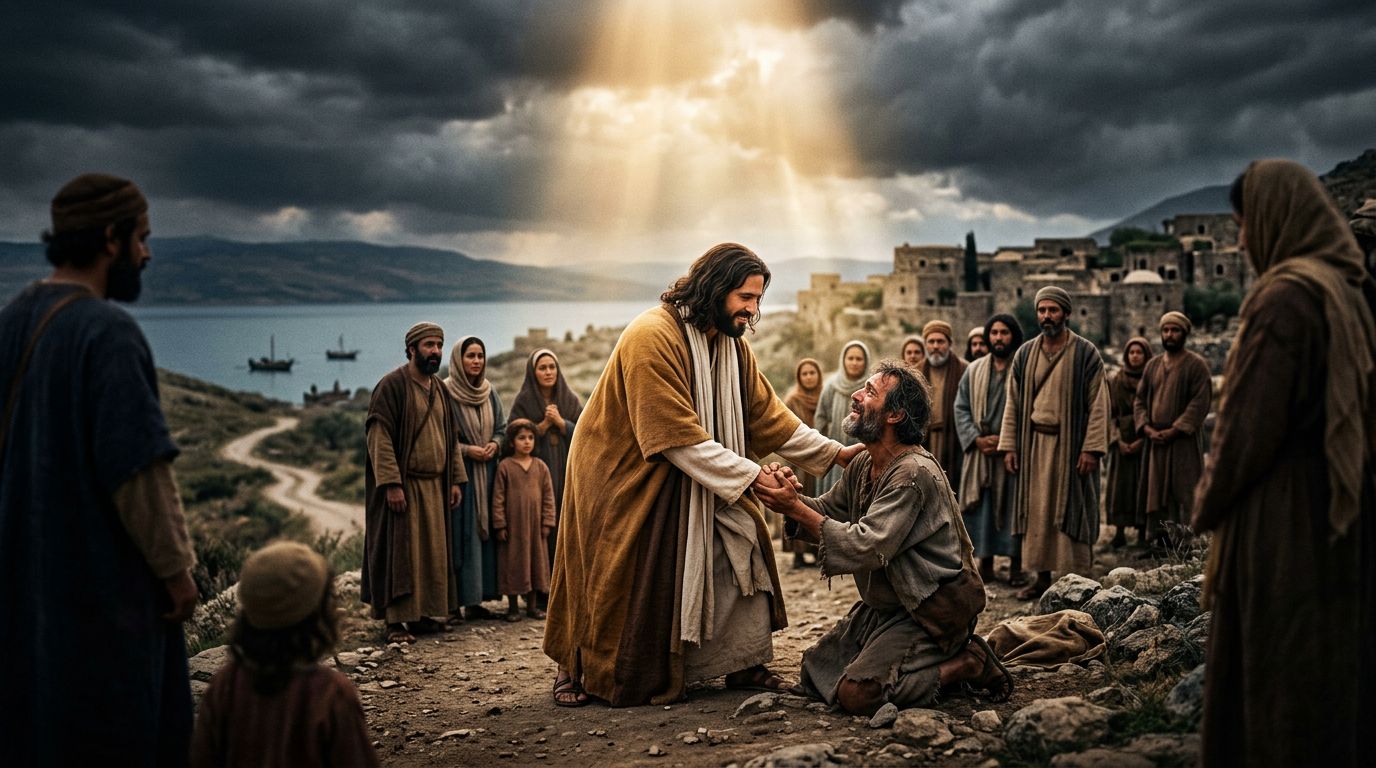 What Jesus’ Miracles Reveal About His MissionDuring His public ministry, Jesus miracles served a specific purpose rather than acting as mere displays to entertain curious crowds. Through healing the sick, casting out demons, calming storms, feeding the hungry, and raising the dead, He revealed exactly who He is and the core objectives of His mission. When we read the Gospel accounts… [...]
 How to Study the Bible for Beginners Without Feeling LostThe Bible can feel big at first. It is not one book, but a library, and that can make us freeze before we begin. Still, God did not give His Word to hide truth from willing hearts. When we learn how to study the Bible for beginners, we do not need a scholar’s desk or… [...]
 What The Bible Says About Waiting On God In FaithWaiting can feel like silence. We pray, we obey, and still the answer seems slow. Yet the Bible makes one thing plain, waiting on God is never wasted. When the Lord makes us wait, He is not ignoring us. He is teaching us to trust His heart, submit our will, and hope in His timing.… [...]
 How to Build a Daily Prayer Routine That LastsSome days slip through our hands before we have even looked up. We mean to pray, and yet the day fills with noise, duty, and fatigue. A daily prayer routine that lasts is not built by guilt. It is built by return. The good news is simple. God does not wait for polished words or… [...]