
Waiting can feel like silence. We pray, we obey, and still the answer seems slow. Yet the Bible makes one thing plain, waiting on God is never wasted.
When the Lord makes us wait, He is not ignoring us. He is teaching us to trust His heart, submit our will, and hope in His timing. That truth steadies us before we move into what Scripture says next.
Waiting on God is active trust
The Bible never treats waiting as empty time. Psalm 27:14 says, "Wait on the Lord: be of good courage, and he shall strengthen thine heart." That means waiting is not slumped defeat. It is faith with its feet planted.
"They that wait upon the Lord shall renew their strength" (Isaiah 40:31).
Notice the promise. God gives strength while we wait, not only after the answer comes. So if the door is still closed, that does not mean God is absent. It may mean He is building endurance, cutting away pride, and teaching us to lean on Him instead of our own plans.

Lamentations 3:25 to 26 says the Lord is good to those who wait for Him and seek Him. Therefore, biblical waiting includes prayer, obedience, and quiet trust. We do not quit. We do not rush ahead. We do not force an answer because delay makes us uneasy.
Habakkuk 2:3 says the vision will speak at the appointed time. If it seems slow, we are told to wait for it. God has an appointed time, and our panic cannot improve it. When the night feels long, we must hold on with endurance for God's reward. The answer may seem late to us, but it will never be late to God.
Biblical examples show that waiting has purpose
Scripture gives us living proof. Hannah waited through deep sorrow and bitter reproach. In 1 Samuel 1, she poured out her soul before the Lord. She did not hide her pain, and she did not harden her heart. She prayed, wept, worshiped, and trusted God with the ache she could not fix.
Her story matters because many of us are waiting for family needs, healing, or a longed-for answer. Hannah shows us that tears and faith can live in the same prayer. In time, God gave her Samuel. Yet even before the answer came, He was drawing her nearer.
Joseph also waited. He moved from the pit to slavery to prison before he saw the promise unfold. Those lost years were not lost to God. Genesis 50:20 says what others meant for evil, God meant for good. That is a strong word for us when delay feels unfair. God can work through betrayal, setbacks, and closed doors without failing His purpose.
David waited too. Samuel anointed him, but Saul still sat on the throne. David had chances to seize power, yet he refused to grasp what God had not handed him. That is the heart of true waiting. We do not grab in the flesh what God has promised by grace.
So when we wait, we stand in a long line of believers who learned the same lesson. God is not slow. God is wise.
How we wait on God for guidance, healing, and provision
Seasons of waiting expose what we trust. If we trust ourselves, we become restless. If we trust God, we become steady. That is why we must tap into prayer's supernatural power and keep our hearts open before Him.
Here are plain ways to wait well:
- We keep bringing the need to God, because Jesus taught us to pray and not faint.
- We obey the last clear thing God said, because delay never cancels obedience.
- We guard our mouth from unbelief, because constant complaining weakens faith.
- We find victory through sacrificial praise even before the breakthrough, because worship keeps the heart soft.
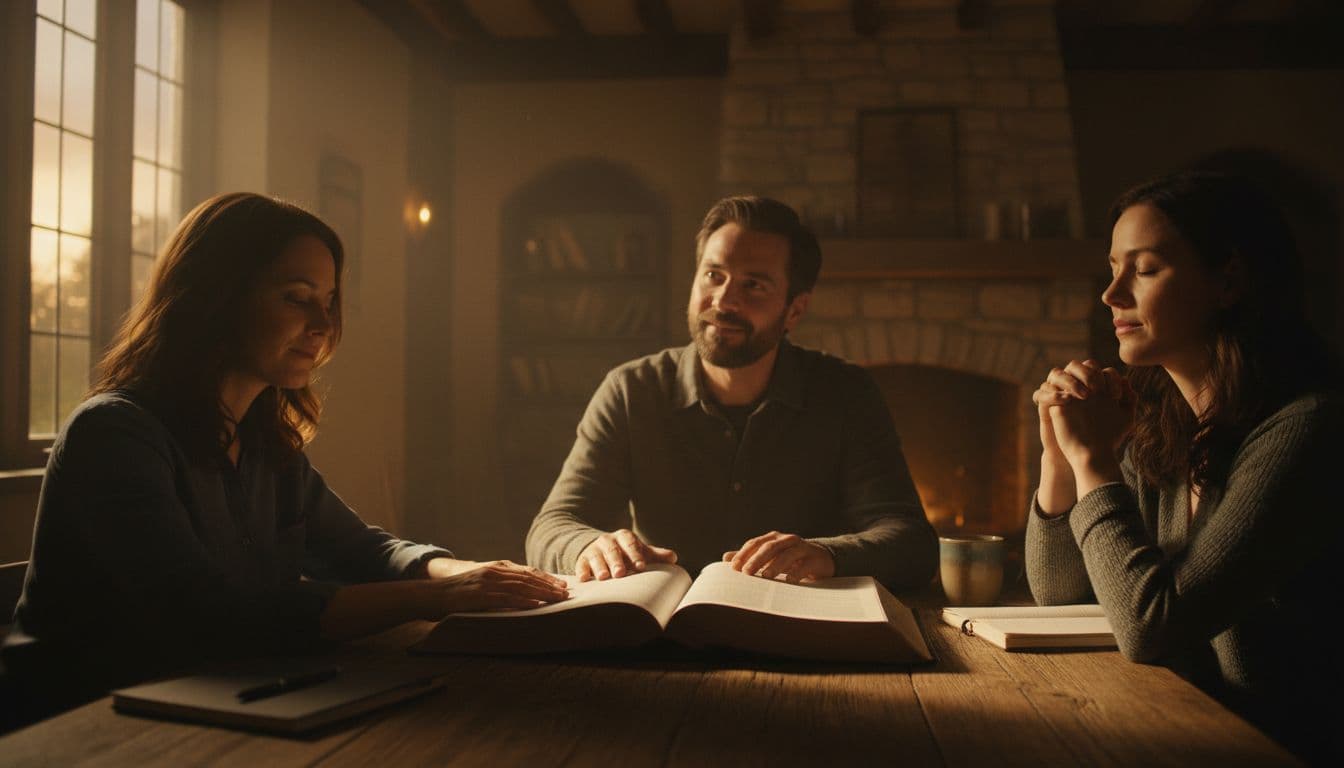
If we are waiting for guidance, Psalm 119:105 reminds us that God gives light for the next step. He often gives a lamp, not a floodlight. So we do not need the whole map. We need enough light to obey today.
If we are waiting for healing, James 5:14 to 16 calls us to prayer, confession, and the help of other believers. If we are waiting for provision, Matthew 6:33 tells us to seek first the kingdom of God. If we are waiting in matters of love, marriage, or restoration, we must not force what God has not formed. Love that begins in impatience often brings pain.
Above all, waiting is a place of growth. Romans 5 teaches that trial produces patience, and patience shapes character, and character gives hope. So while we ask God for the answer, we also let Him do His work in us. The waiting room can become a classroom if we let the Holy Spirit teach us there.
Silence is not abandonment. Delay is not denial. God's timing is part of God's mercy.
So while we wait, we keep praying, keep obeying, and keep hoping. Let us not run ahead of the Lord, and let us not fall behind in unbelief. If we stay before Him, the same God who taught us to wait will also strengthen our hearts until His answer comes.