
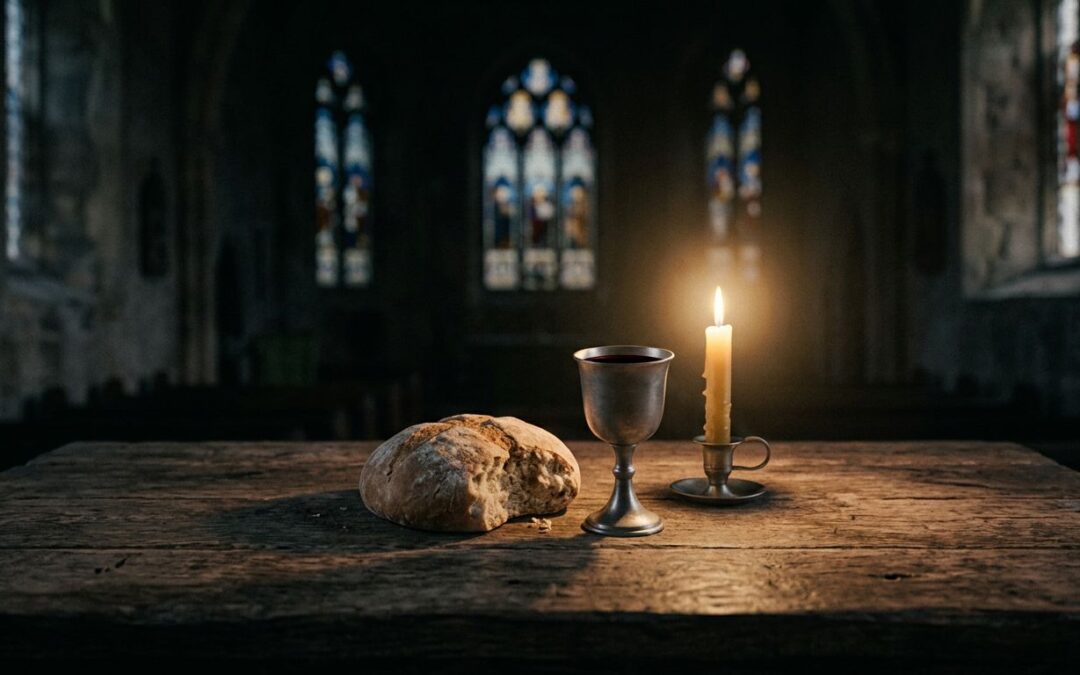
We gather around the table each time we take the Lord’s Supper, but do we grasp its full weight? This simple act of bread and cup carries eternal truths that demand our attention. The Lord’s Supper meaning reaches far beyond ritual; it confronts us with Christ’s sacrifice and calls us to live differently.
Many Christians today rush through it or skip self-reflection altogether. We miss how it proclaims His death until He returns and unites us as one body. Let’s uncover these truths from Scripture, so we observe it as Jesus intended.
Biblical Roots of the Lord’s Supper
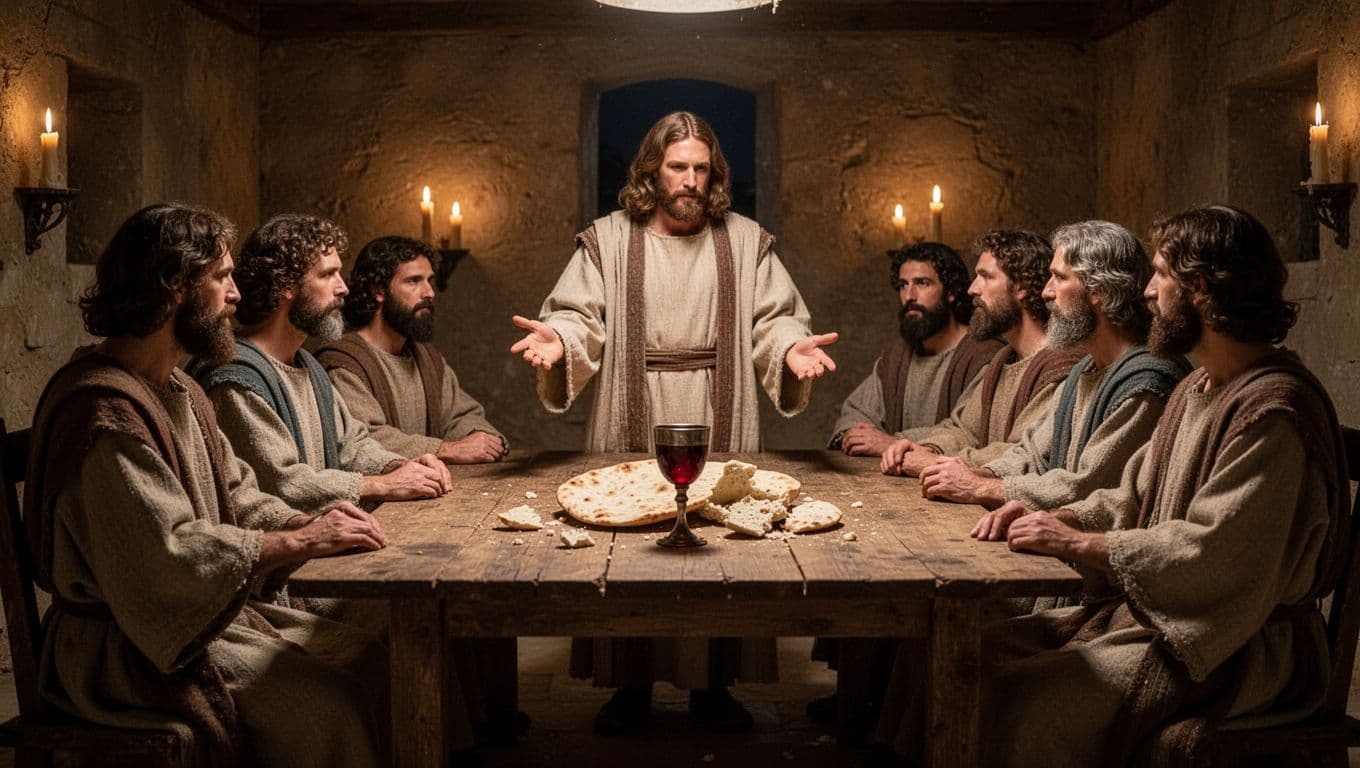
Jesus instituted the Lord’s Supper on the night He was betrayed. He took bread, gave thanks, broke it, and said, “This is My body which is given for you; do this in remembrance of Me.” Likewise with the cup after supper, declaring, “This cup is the new covenant in My blood, which is shed for you.” (Luke 22:19-20).
These words echo Passover, yet Jesus fulfills it. The unleavened bread recalls Israel’s hasty deliverance from Egypt; now it points to our freedom from sin’s bondage. The cup signifies blood that seals God’s promise. Paul reinforces this in 1 Corinthians 11:23-26, passing on what he received directly from the Lord.
We cannot separate the Supper from that upper room moment. It began as Jesus’ command amid betrayal’s shadow, urging disciples to remember His voluntary death. This root shapes every observance today.
We Remember Christ’s Sacrifice
Remembrance defines the Lord’s Supper core. Jesus said, “Do this in remembrance of Me,” not as vague nostalgia but active recall of His broken body and poured blood. We look back to Calvary, where He bore our sins willingly.
This memory stirs gratitude and conviction. Every bite of bread declares, “Christ died for me.” Each sip proclaims the new covenant’s cost. Without this focus, the Supper becomes empty tradition.
Scripture warns against forgetting. Israel often did, facing judgment; we risk the same if we treat it casually. True remembrance transforms us, fueling obedience and worship. We examine our hearts, confess sins, and renew commitment to His lordship.
Proclaiming His Death Until He Comes
Paul writes, “For as often as you eat this bread and drink this cup, you proclaim the Lord’s death till He comes.” (1 Corinthians 11:26). The Supper is preaching in action. We declare Christ’s death’s victory over sin and death, anticipating His return.
This proclamation sets Christianity apart. No other faith centers on a crucified and risen Savior. We testify publicly, even silently, that His blood cleanses and His body redeems.
In our divided world, this unites our message. Churches differ on frequency or elements; some use wine, others juice to honor those struggling with alcohol. Yet all proclaim the same truth. We hold this testimony boldly, for it draws the lost to faith.
Self-Examination Before Partaking
Paul urges, “Let a man examine himself, and so let him eat of the bread and drink of the cup.” (1 Corinthians 11:28). Casual approach invites judgment; God disciplines those who partake unworthily.
Self-examination means honest heart-check. Do we harbor unconfessed sin, bitterness, or neglect of others? The Supper exposes divisions; Paul rebuked Corinth for selfishness at the table.
We prepare by repentance and reconciliation. This practice deepens holiness, guarding against hypocrisy. It’s not fear-driven but love-motivated, ensuring we honor Christ’s body rightly. Many denominations stress this; Catholics in confession, Protestants in private prayer. The call remains: examine, confess, partake worthily.
Unity Among Believers in the Supper
The cup of blessing we bless, is it not the communion of the blood of Christ? The bread we break, is it not the communion of the body of Christ? (1 Corinthians 10:16). One bread means one body; we share in Him together.
This crushes division. Corinth’s rich shamed the poor; today, we fight race, class, politics. The Supper demands unity. We recognize all true believers as family, despite differences.
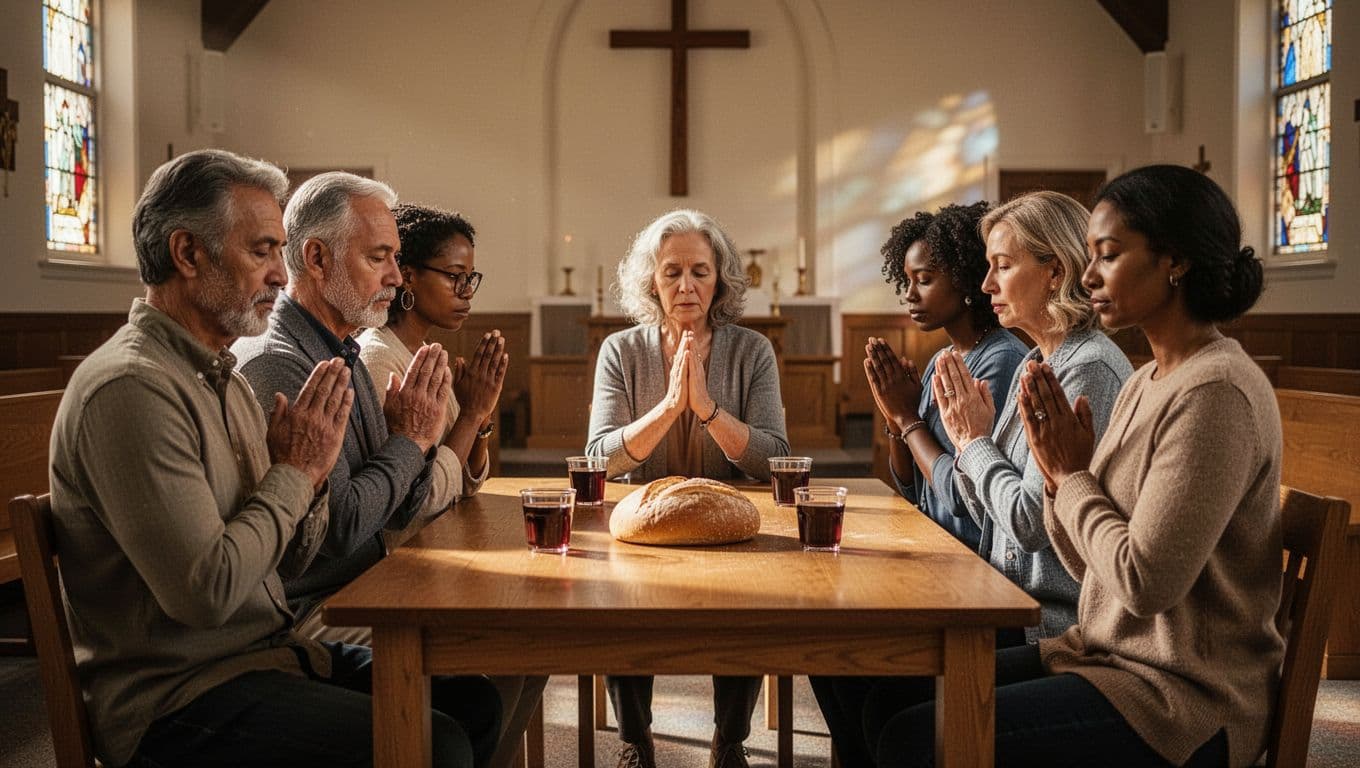
Jesus prayed for our oneness (John 17:21). The Supper embodies it. We cannot exclude brothers lightly; baptism and faith mark the table, not perfection. This fosters humility, love, true community.
Thanksgiving and Spiritual Nourishment
We call it Eucharist in some traditions, from “give thanks.” Jesus gave thanks before breaking bread; we follow. The Supper overflows with gratitude for salvation’s gift.
Spiritually, it nourishes like manna sustained Israel. Jesus as the Living Bread feeds our souls eternally; read Raised to Life: The Living Bread. We partake of Him by faith, receiving grace, strength, forgiveness.
Differences exist: some see symbolic memorial, others real spiritual presence. Scripture supports both views without contradiction. Symbol points to reality; we feed on Christ truly, whether transubstantiation or spiritual reception. The Supper revives weary saints, points to heaven’s feast.
Conclusion
The Lord’s Supper binds us to Christ’s cross, His return, and each other. We remember, proclaim, examine, unite, thank, and feed on Him. This ordinance pulses with life when we observe it biblically.
Let no observance pass without deep impact. Its meaning transforms ordinary gatherings into sacred encounters. We depart stronger, holier, ready for His coming. Honor it rightly; live its truths daily.