

Jesus never called people to follow him with soft words and easy promises. He called us to count the cost, and he still does. Yet we must say this clearly, salvation is by grace through faith, not by human effort, but true discipleship always leads to surrender.
If we want biblical faith, we cannot separate belief from obedience. We cannot keep Christ as a helper while refusing him as Lord. The Bible is plain about this, and Luke 14 gives us a sharp picture of what it means.
Jesus’ Call to Count the Cost
When Jesus spoke about counting the cost, he was not speaking to a small inner circle. He was speaking to crowds. That matters, because he was not trying to gather the easiest people first. He was telling the truth first.
In Luke 14:26-33, Jesus uses hard language on purpose. He speaks of hating father and mother, carrying a cross, and sitting down before building a tower. He is not teaching hatred in the sinful sense. He is saying that every other loyalty must be lower than loyalty to him.
That is the heart of the matter. The disciple does not place Jesus beside family, comfort, success, or self. The disciple places Jesus above all of them. A cross is not a decoration. It is an instrument of death. So when Jesus says to take up the cross, he is calling us to die to self-rule.
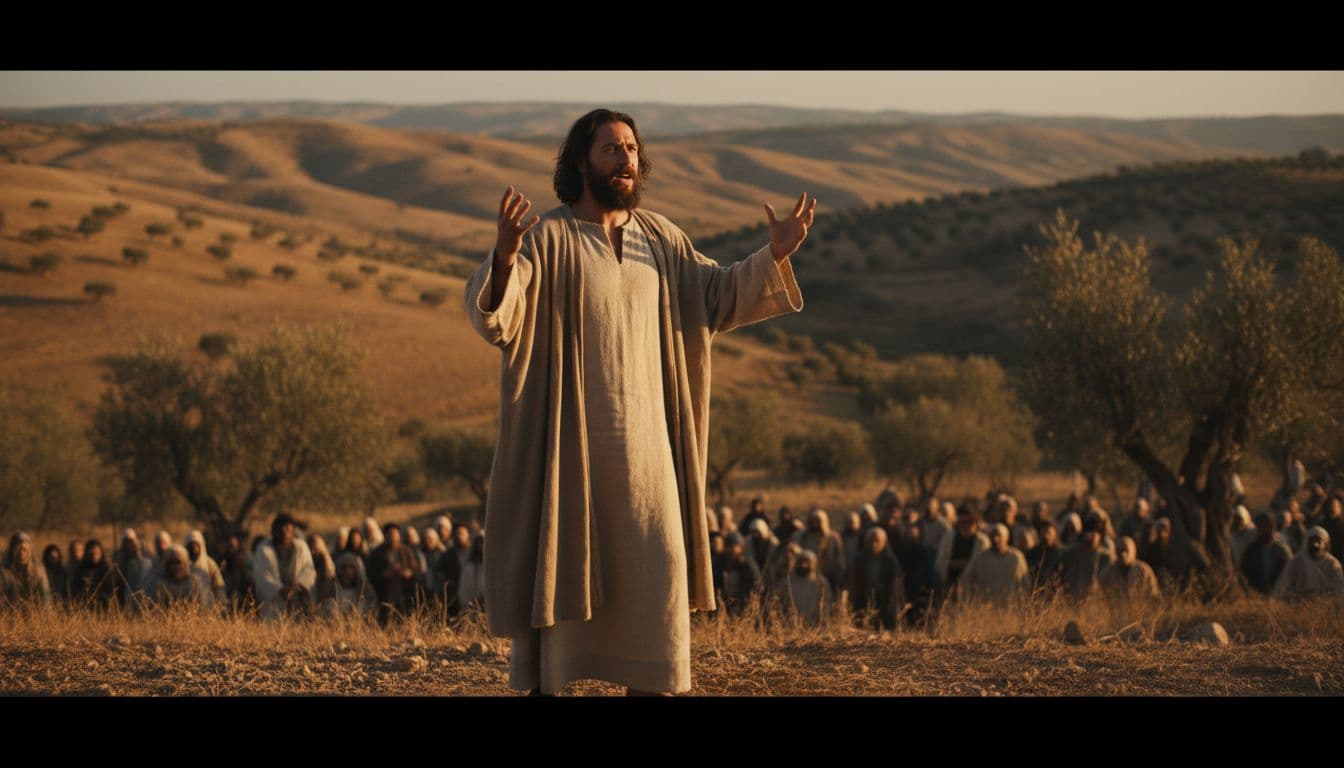
Jesus was not making entry into the kingdom harder than grace allows. He was making shallow faith impossible.
Discipleship Is More Than Admiration
A disciple is not merely a fan of Jesus. A disciple is a learner, a follower, an apprentice. Admiration can stay at a distance. Discipleship walks behind the Master and learns his way.
That is why the Bible always joins truth and obedience. Jesus did not say, “If you love me, think warmly about me.” He said, “If you love me, keep my commandments.” The command is not a burden placed on strangers. It is the path of sons and daughters who have been rescued.
We should also welcome places where believers are taught well. The CFC Discipleship program is one example of structured Bible formation that presses believers toward growth, prayer, and obedience. That kind of teaching matters because shallow Christianity produces shallow endurance.
A true disciple does not ask, “How close can I stay to the world and still call myself Christian?” A true disciple asks, “How can I be more faithful to Christ today?” That question cuts through excuses. It also exposes the difference between a crowd and a church that is learning to obey.
Grace Saves, Then Grace Trains
We must guard the gospel here. Salvation is by grace through faith. We do not earn forgiveness, and we do not purchase adoption with sacrifice. Christ alone saves, and his finished work is enough.
But grace never leaves us where it found us. Titus 2 says that grace trains us to renounce ungodliness and live self-controlled, upright, and godly lives. Ephesians 2 says we are saved by grace through faith for good works that God prepared beforehand. So the order matters. Grace saves first, then grace trains.
That is why a Christ-centered life is not a side topic. It is the shape of normal Christian living. If Christ has truly saved us, then Christ has also claimed us. Our time, our habits, our money, our words, and our bodies belong to him.
Grace does not cancel obedience. Grace creates a people who can obey.
So when we speak about the cost of discipleship, we are not talking about earning God’s favor. We are talking about the fruit of God’s favor. A forgiven heart still learns surrender. A redeemed life still learns obedience.
The Costs We Face Today
The cost is not abstract. It shows up in ordinary rooms, ordinary choices, and ordinary pressure.
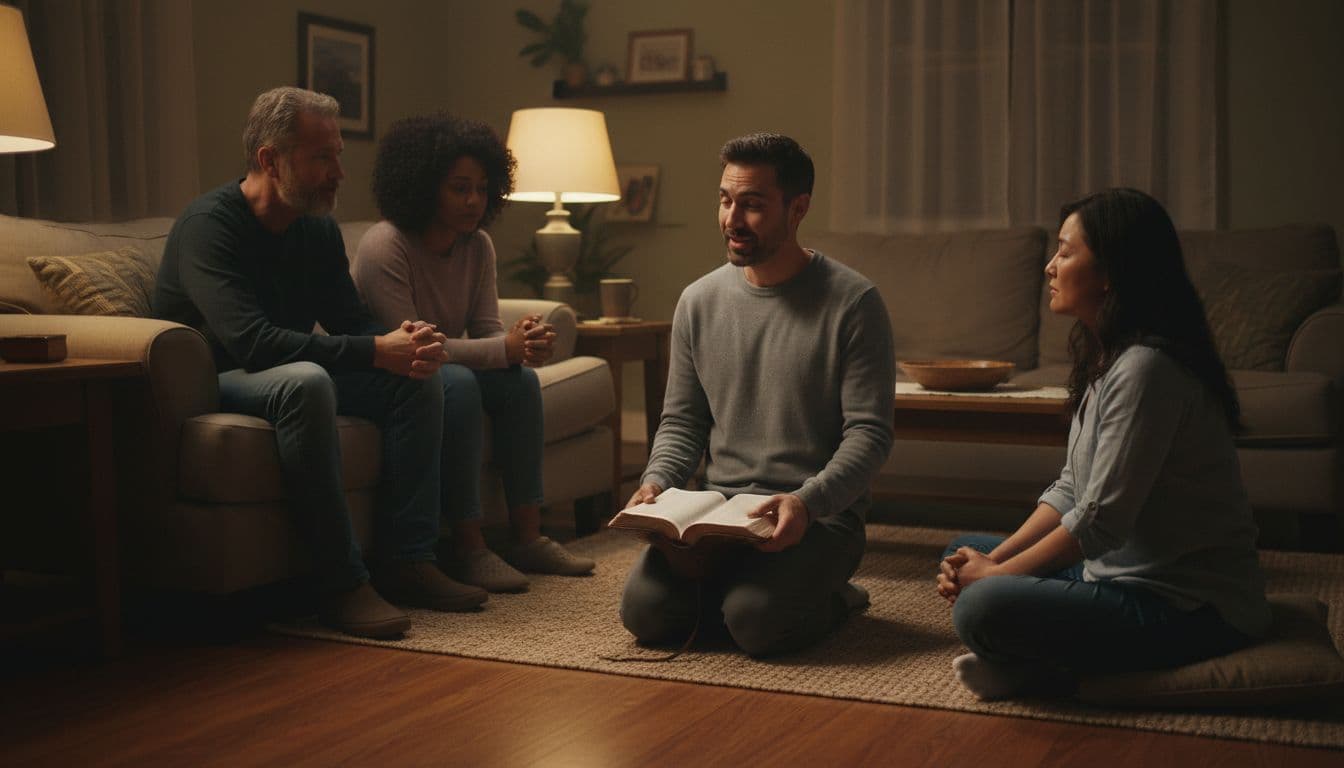
We may face the cost in small, specific ways:
- We forgive when offense feels deserved.
- We tell the truth when lies would protect us.
- We turn from a hidden sin that has become familiar.
- We give time and money to Christ’s work instead of only to our comfort.
- We keep gathering with the church when convenience pulls us elsewhere.
None of that buys salvation. All of it reveals whether we are following Jesus or only admiring him. The cost of discipleship is often paid in private before it is ever seen in public.
For some, the cost includes stepping into deeper training and correction. A path like the CFC School of Ministry program reminds us that disciples are formed, not merely inspired. We grow through truth, repetition, prayer, and obedient practice.
How We Count the Cost Honestly
Jesus said to sit down first. That means we do not rush into promises with romantic language. We ask honest questions before we call ourselves ready.
- Do we want Jesus for who he is, or only for what he gives?
- Are we willing to lose approval, comfort, or control for his sake?
- Will we still follow when obedience becomes costly?
These questions are not meant to crush us. They are meant to clear away illusion. A counted cost is better than a hidden one. When we see the terms clearly, we also see the mercy of Christ more clearly.
So we pray, we open the Scriptures, we confess what is false, and we ask for a steady heart. That is how discipleship becomes real. Not in noise, but in obedience.
Conclusion
Jesus never hid the cost, and we should not hide it either. He called us to follow with open eyes, open hands, and a willing heart. The cross is still part of the call, but grace is still stronger than our weakness.
The real question is not whether discipleship costs us something. It does. The question is whether Christ is worthy of the cost. He is.
So we should ask ourselves plainly, are we counting the cost, or are we trying to follow Christ without surrender?