
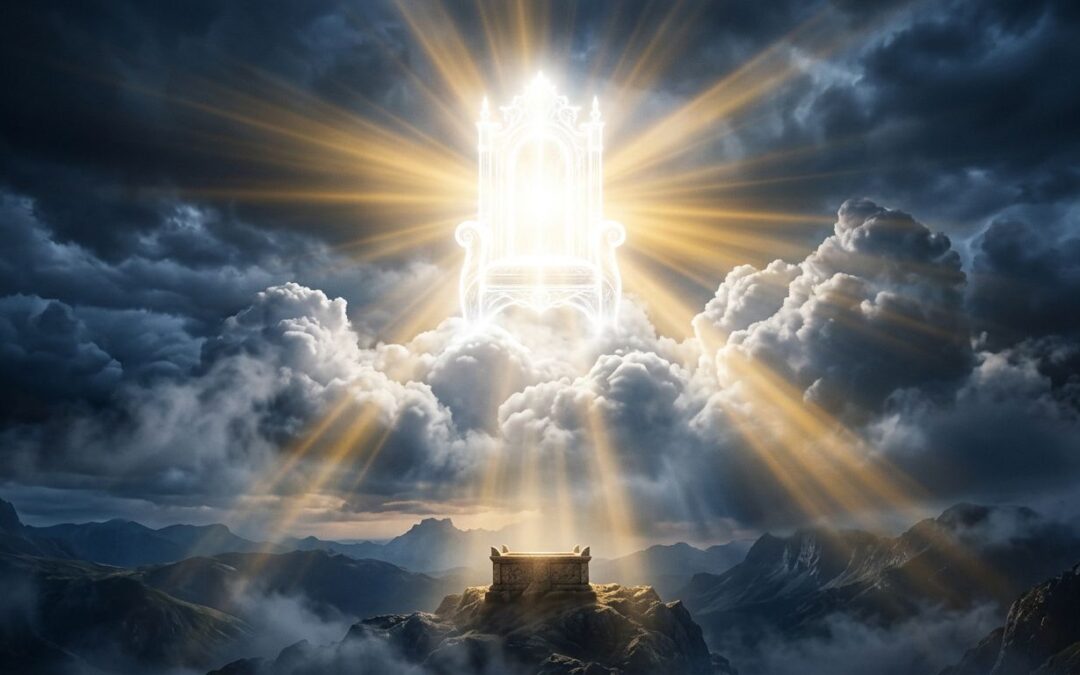
God’s holiness is not one doctrine among many. It is the bright center of Scripture’s witness to God, and if we miss it, we miss His majesty, His purity, and His right to rule. We often reach for God’s comfort before His holiness, but the Bible does not let us separate the two.
The Bible does not call God holy as a decorative title. It names Him holy because He is set apart in being, morally perfect in character, and utterly pure in presence. That truth runs through the law, the Psalms, the prophets, and the visions of heaven itself.
God’s Holiness Is the Center, Not the Margin
Scripture speaks of God’s holiness as something essential, not optional. In Exodus 15:11, after the sea is opened and Egypt is judged, Moses asks, “Who is like you, O LORD, among the gods? Who is like you, majestic in holiness?” The question answers itself. No one is like Him because no one is holy like Him.
This is why God’s holiness matters so much. If He were only powerful, we might fear Him. If He were only loving, we might try to shape Him into our preferences. But He is both powerful and loving, and His holiness governs everything else He is. His love is holy love. His justice is holy justice. His mercy is never soft on evil.
We should also notice that holiness means more than moral cleanness. It means separation from all that is ordinary, common, and defiled. God does not belong in the same category as His creation. He is the Creator, and we are not. That distinction is not cold distance. It is glory. It is the reason worship must begin with awe.
If we remove holiness, we end up with a god who is useful but not true. Scripture will not let us do that. It presses us back to reverence, to humility, and to the fear of the Lord.
Isaiah 6 Shows Us Holiness in the Throne Room
Isaiah’s vision is one of the clearest pictures in the Bible. He sees the Lord high and lifted up, seraphim covering themselves, and the whole scene shaking with glory. They cry out, “Holy, holy, holy is the LORD of hosts; the whole earth is full of his glory.”
“Holy, holy, holy is the LORD of hosts.”
That threefold cry is not empty repetition. It is emphasis. Heaven does not say God is holy once and move on. Heaven keeps saying it, because holiness is not one detail among others. It is the note that carries the song.

When Isaiah sees this, he does not boast. He collapses. “Woe is me,” he says, “for I am lost.” That is the proper human response to God’s holiness. Real holiness does not flatter us. It exposes us. It shows us how small we are, how unclean our lips are, and how much we need mercy.
The vision does not end with despair. A coal from the altar touches the prophet’s lips, and his guilt is taken away. That is the pattern we keep seeing. God’s holiness reveals sin, but His holiness also makes cleansing possible on His terms. He does not pretend sin is harmless. He deals with it.
Isaiah 6 teaches us that holiness and mercy do not fight each other. They meet in the presence of the Holy One, and mercy is never cheap there.
The Law, Psalms, and Prophets Speak With One Voice
Leviticus 19:2 gives a direct command: “You shall be holy, for I the LORD your God am holy.” That command was first given to Israel, but it was never meant to stay trapped in an ancient camp. It reveals God’s own character and then calls His people to reflect it.
Psalm 99 keeps the same message. The psalm speaks of God reigning between the cherubim, loving justice, establishing equity, and answering His people. A short study on Psalm 99 traces that pattern well, and it shows how holiness and righteous rule belong together. God is not merely holy in private. He is holy in how He rules.
Habakkuk 1:13 sharpens the point. The prophet says God’s eyes are too pure to look on evil, and He cannot tolerate wrong. That is not a small statement. It tells us that sin is not only a problem for us, it is an offense before the Holy One. We cannot excuse what God condemns. We cannot call clean what He calls unclean.
This is where the Bible becomes plain. God’s holiness is not just about worship language. It is about moral reality. He loves what is right because He is right. He hates evil because He is pure. And when Scripture says this, it does not apologize for it.
We also see that holiness is not coldness. God is not distant because He is holy. He is holy because He is God, and His nearness never cancels His purity.
Revelation 4 Keeps the Same Song in Heaven
When we open Revelation 4, we do not find a new God. We find the same holy God still reigning. John sees the throne, the living creatures, the rainbow around it, and the elders worshiping without rest. Their cry is simple and unbroken: “Holy, holy, holy, is the Lord God Almighty, who was and is and is to come.”
Heaven does not get tired of holiness. Heaven does not move on to a lighter subject. It circles around God’s holiness because that holiness explains His throne, His power, and His worth. The worship of heaven is not casual, and it is not vague. It is full of trembling joy.
This matters because some people think holiness belongs mainly to the Old Testament. Revelation destroys that idea. The same God who spoke from Sinai is the God seated in glory at the end of Scripture. His holiness has not faded. It has not softened. It has not been replaced by a less demanding kindness.
Psalm 99, Isaiah 6, and Revelation 4 all agree. God’s holiness is the backdrop for worship, the ground of justice, and the reason every creature falls before Him. We may call Him Father, and we should. We may draw near through Christ, and we must. Yet we never draw near as equals. We come as worshipers before the Holy One.
The throne is not holy because the creatures around it admire it. The throne is holy because the One who sits on it is holy. That is the order Scripture gives us, and that order cannot be improved.
What God’s Holiness Demands From Us
1 Peter 1:15-16 carries the holiness of Leviticus into the life of the church: “As he who called you is holy, you also be holy in all your conduct.” The command is broad. It reaches our speech, our habits, our private choices, our forgiveness, and our desires. God’s holiness is not only something we admire. It is something we are called to mirror.
That does not mean we become holy in the same way God is holy. We do not create purity out of ourselves. We receive mercy, we walk in repentance, and we obey from a changed heart. Still, the standard remains plain. A holy God calls His people to a holy life.
A faithful response looks like this:
- We worship with reverence, not slapdash familiarity.
- We confess sin quickly, without defense.
- We refuse to excuse what Scripture condemns.
- We seek purity in public and in secret.
- We measure our lives by God’s Word, not by the habits around us.
For a brief devotional reflection on this same truth, God’s holiness and ours keeps the call where Scripture keeps it, on worship, obedience, and reverence.
This is where many of us need correction. We want comfort without awe, forgiveness without repentance, and nearness without surrender. But the Bible does not give us those shortcuts. God’s holiness changes how we pray, how we speak, how we treat sin, and how we read every page of Scripture.
Conclusion
When we ask what the Bible says about God’s holiness, the answer is not hidden. God is set apart, morally perfect, and utterly pure. He is holy in the song of Moses, holy in the vision of Isaiah, holy in the law, holy in the Psalms, and holy on the throne in Revelation.
That truth humbles us, but it also gives us hope. The God who is too pure to look on evil is the same God who cleanses sinners and calls His people to walk in holiness before Him. We do not shrink the Holy One down to our size. We bow, we repent, and we worship.