
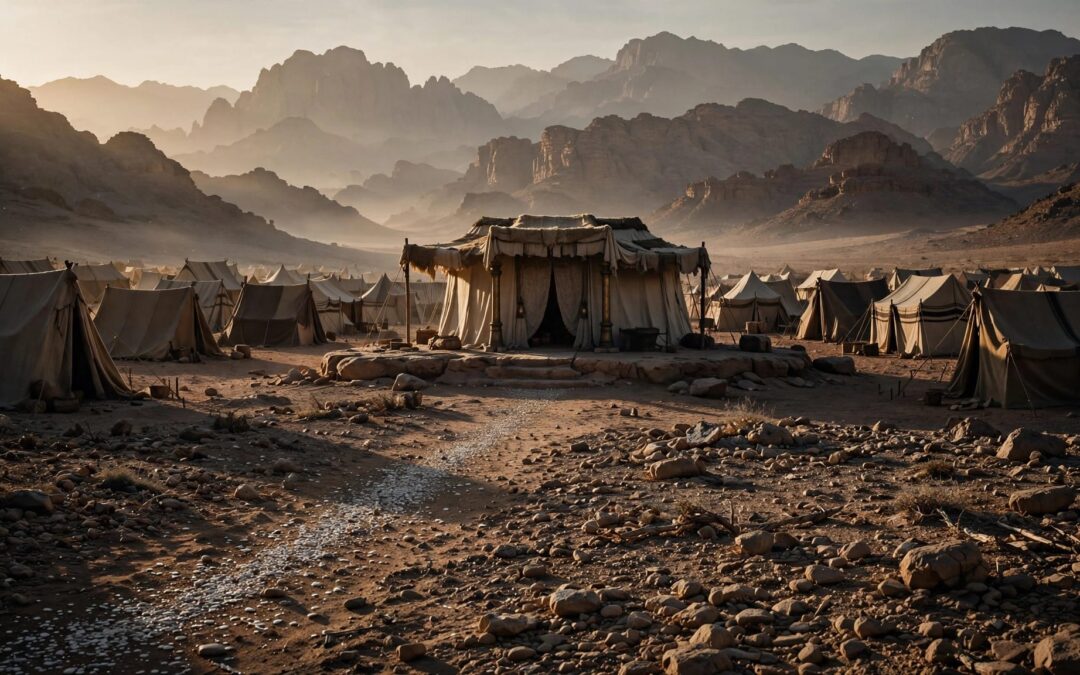
Israel had seen God's power in Egypt, yet the wilderness exposed how unwilling the people could be to trust His word. Numbers portrays Israel's wilderness years as a serious account of covenant responsibility, where God's provision, Israel's rebellion, judgment, and mercy remain before us.
We cannot read these chapters faithfully while treating every hardship as a symbol of our own struggles. We must first hear what Numbers says about Israel, then receive the correction Scripture gives us through their experience.
Numbers Belongs to the Larger Wilderness Story
Deliverance Comes Before the Journey
Exodus records Israel's release from Egyptian bondage, the covenant at Sinai, and the establishment of the tabernacle. Leviticus gives instruction concerning worship and holiness. Numbers continues with the people still at Sinai, preparing to travel.
The sequence matters. God has already rescued Israel, but the delivered people must still hear Him and obey Him. Our teaching on Israel's deliverance in Exodus keeps that rescue connected to covenant and worship. Numbers carries those responsibilities into the wilderness, where hunger, fear, and conflict test the people's willingness to remain faithful.
The Account Ends Before Entry
Numbers begins in the second year after the departure from Egypt. The opening chapter of Numbers identifies the first day of the second month, with God speaking to Moses at the tent of meeting.
The book ends on the plains of Moab, across the Jordan from Jericho. Deuteronomy then records Moses' instruction before Israel enters the land.
These are dates and locations within the biblical account. Proposed modern calendar dates and reconstructed routes remain debated. We must not give a historical reconstruction the same authority as the words the passage records.
God Orders the Camp Around His Presence
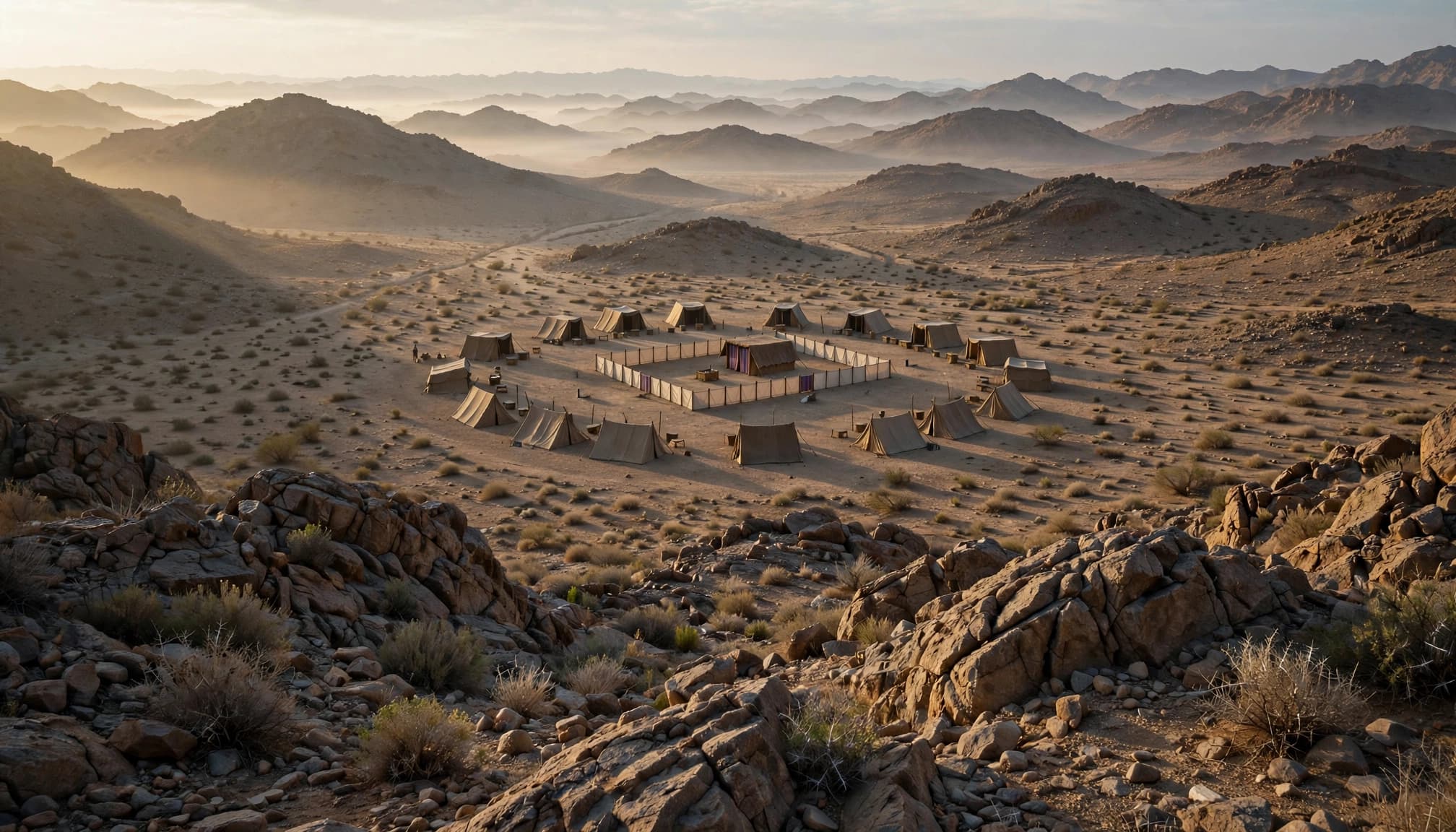
The opening chapters contain a census, tribal arrangements, Levitical duties, purification instructions, and offerings. These details establish Israel as a community living before a holy God.
Numbers 2 places the tribes around the tabernacle, while Numbers 3 assigns the Levites their responsibilities. God's presence governs the camp. Worship, leadership, and daily life belong under His command.
Numbers 6:22-27 gives the priestly blessing, including the petition that the Lord bless, keep, and give peace to His people. The wilderness account begins with provision for life in God's presence.
Numbers 9 describes the cloud over the tabernacle. When the cloud moves, Israel travels; when it remains, Israel stays. The people must receive God's direction rather than determine their movements independently.
As BibleProject's guide to Numbers traces the book's movement, this ordered beginning gives way to repeated rebellion. We must keep the opening before us: Israel receives instruction and direction before the failures that follow. Their later complaints concern a God who has already made His presence and care known.
Unbelief Brings the Forty-Year Judgment
The Spies Reveal a Divided Response
Numbers 13 records Moses sending twelve men to examine Canaan. They return with evidence of the land's fruitfulness, but their response divides.
Caleb urges the people to proceed. The opposing report emphasizes strong inhabitants and fortified cities. In Numbers 14, Joshua and Caleb insist that the Lord can bring Israel into the land.
The disagreement concerns whether Israel will trust the Lord while facing opposition. The congregation instead talks about appointing a leader and returning to Egypt.
We must hear the seriousness of that choice. The people prefer returning toward the place of their bondage rather than proceeding under God's command. Fear becomes a reason to reject the word they have received.
Forgiveness Does Not Cancel Every Consequence
Moses intercedes, appealing to God's character and covenant faithfulness. God grants pardon, but the judgment remains.
Numbers 14's account of judgment connects forty years with the forty days spent examining the land. The counted men aged twenty and older who grumbled will die in the wilderness, with Joshua and Caleb identified as exceptions.
Their children, whom they feared would become victims, will enter the land. God's promise continues, but the rebellious generation loses its opportunity.
Numbers 14 records pardon and exclusion together. Forgiveness does not make the announced consequences disappear.
The chapter ends with another refusal to listen. Some attempt to advance after God has commanded otherwise, and they are defeated. Obedience requires hearing what God says now, not attempting yesterday's command on our own terms.
Rebellion Challenges God’s Appointed Leadership
Religious Position Does Not Authorize Rebellion
Numbers 12 records Miriam and Aaron speaking against Moses. Numbers 16 records Korah's challenge, alongside the rebellion of Dathan and Abiram.
These conflicts concern authority within the community. Korah appeals to the congregation's holiness while challenging the responsibilities God has assigned. A statement about holiness becomes part of resistance against God's order.
Numbers 17 describes Aaron's staff budding, confirming his priestly appointment. We cannot treat the events as ordinary disagreements over preference. The account presents God Himself addressing the challenge.
For us, religious language cannot excuse conduct that opposes what God has commanded. A claim to holiness must remain accountable to His word.
Moses Also Answers to God
Numbers does not protect its central leader from correction. At Meribah in Numbers 20, God commands Moses to speak to the rock. Moses strikes it twice, and water comes out for the congregation.
God then tells Moses and Aaron that they failed to trust Him and uphold His holiness before Israel. They will not bring the assembly into the land.
Leadership does not remove accountability. Moses' earlier faithfulness does not make this disobedience harmless.
We should also retain the physical setting. The people have no water. Their need is real, God's provision is real, and the leaders remain responsible for responding according to His command.
Judgment and Provision Remain Together
Israel's wilderness years include hunger, thirst, conflict, death, and divine provision. Numbers names particular sins and particular judgments; it does not give us permission to label every difficult circumstance as punishment.
Numbers 11 records complaints about food and longing for Egypt. God provides quail, yet the episode also brings judgment. Numbers 20 records Miriam's death, the water crisis, and later Aaron's death. The journey carries genuine loss.
Numbers 21 brings judgment and deliverance together again. After the people speak against God and Moses, serpents bite the people, and many die. The people confess their sin, and Moses prays.
God commands Moses to make a bronze serpent and place it on a pole. Those bitten who look at it live. Deliverance comes through the provision God appoints.
In Numbers 22-24, Balak seeks to have Israel cursed, but Balaam speaks blessings instead. Israel's failures do not place God's promise under Balak's control.
We see God's faithfulness in Scripture within these events. His faithfulness includes preserving His purpose, hearing intercession, providing help, and judging rebellion. We must receive the whole account rather than select only its comforting moments.
A New Generation Receives Responsibility
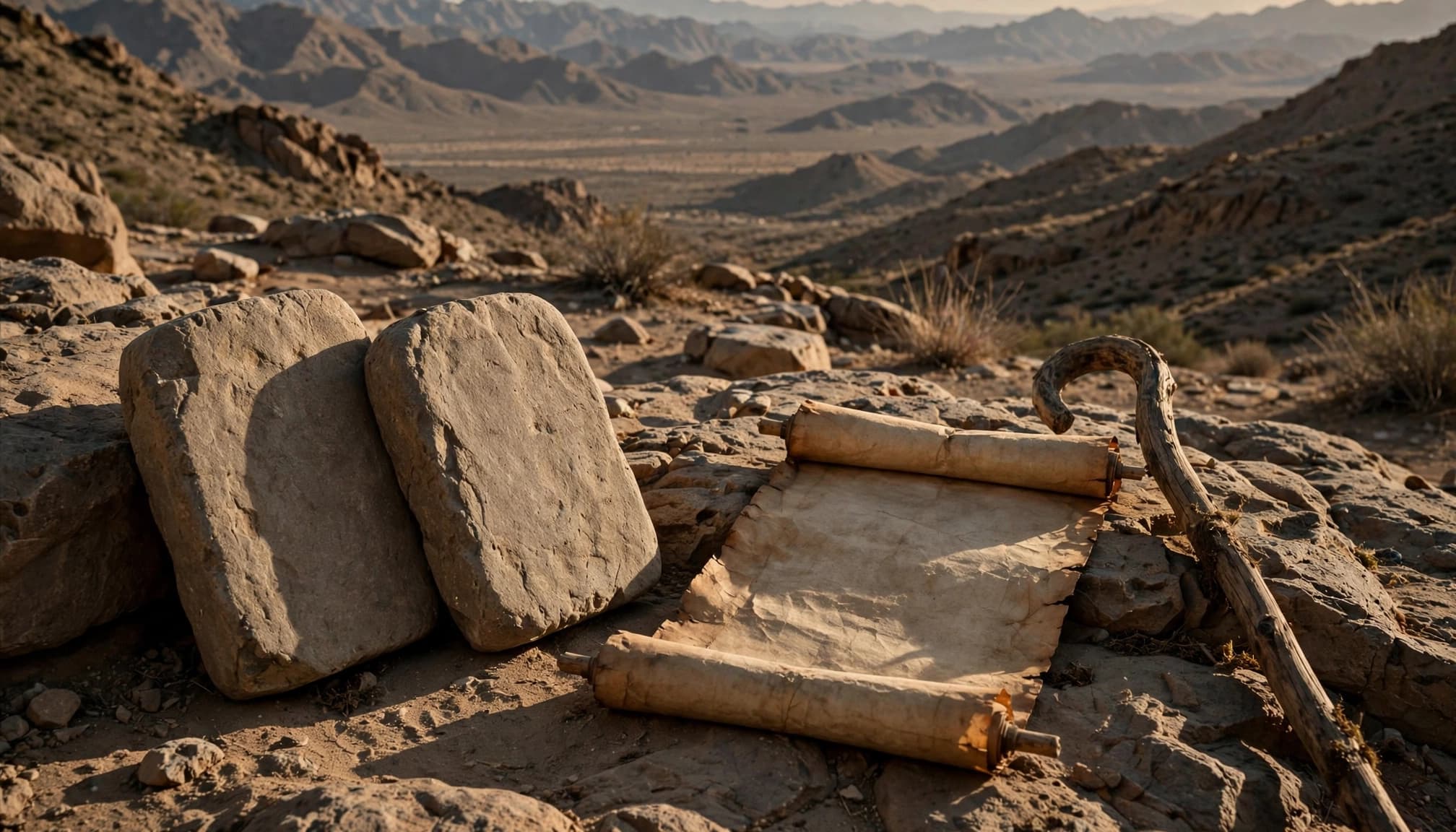
Numbers 26 records a second census on the plains of Moab. The book returns to the counting of Israel, but now a new generation stands before the inheritance promised by God.
The second census is part of the book's movement toward renewed responsibility. Judgment has taken place, yet preparation for the land continues. The promise remains, and obedience remains necessary.
Numbers 27 records the daughters of Zelophehad seeking an inheritance because their father died without a son. Moses brings their case before the Lord, who declares their claim right and gives instruction concerning inheritance.
The chapter also records Joshua's appointment as Moses' successor. Israel's future requires both faithful leadership and attention to the people who will receive the land.
The laws belong within this same forward-looking account. Even Numbers 15, following the judgment of chapter 14, gives instructions concerning life after entry into the land. Later chapters address offerings, vows, boundaries, and inheritance.
Numbers 33 recalls the journey through a list of stages. The book remembers where Israel has traveled while directing attention toward what lies ahead.
We must not reduce these chapters to interruptions between dramatic stories. They show that God's covenant governs the community's future worship, property, leadership, and conduct.
The New Testament Gives Christian Application
The Wilderness Warns Believers
Paul recalls Israel's wilderness experience in 1 Corinthians 10:1-13. He warns Christians against idolatry, sexual immorality, testing Christ, and grumbling. Spiritual privileges must not become grounds for careless confidence.
Hebrews 3-4 likewise uses the wilderness generation to warn against unbelief and hardness of heart. These passages authorize us to receive Israel's experience as a warning.
We must keep the distinction clear. Numbers describes Israel's journey under the covenant given through Moses. The New Testament addresses believers in Christ through that earlier account. Christian application carries authority when it follows Scripture's own connections rather than replacing Israel's circumstances with whatever lesson we prefer.
Jesus Identifies the Bronze Serpent Connection
In John 3:14-15, Jesus connects His being lifted up with Moses lifting up the serpent in the wilderness. That connection comes from Jesus Himself.
Numbers 21 first describes people bitten by serpents receiving life through God's appointed provision. John's Gospel then identifies its connection to Christ and eternal life.
Our explanation of biblical typology and Christ follows this order: hear the earlier passage, then follow the connection Scripture establishes.
We should not assign a hidden Christian meaning to every tent, journey stage, or census detail. The text must govern the application. A connection that sounds spiritual still requires biblical grounds.
Key Takeaways
- Numbers presents Israel as a rescued people whose covenant responsibilities continue through the wilderness.
- The forty-year judgment follows a stated refusal to trust God, while His promise continues toward the next generation.
- Christian application should follow the New Testament's warnings and explicit connections to Christ without erasing Israel's own story.
These truths require us to read both the narrative and the instructions. God's commands, the people's responses, and His stated judgments belong together.
Hear the Warning and Trust God’s Word
Numbers portrays Israel's wilderness years with seriousness because knowing God's works does not guarantee obedience to His word. We see provision, rebellion, intercession, judgment, and renewed preparation within one covenant account.
We must receive its warning without losing sight of God's faithfulness. Read Israel's story carefully, follow Scripture's connections to Christ, and let the word you hear correct the choices you make.