

Doubt can slip into the heart like fog over a road. It blurs what we know, even when we still love the Lord.
Many of us assume doubt means we’ve failed God. Scripture says otherwise. Faithful people asked hard questions, wept honest tears, and still found God faithful. Christian doubt is not always a sign of rebellion. Often, it’s a call to come closer, not run farther.
So we don’t need to hide our struggle. We need to face it in the light of God’s truth.
Christian Doubt Is Not the Same as Hardened Unbelief
First, we must make a clear distinction. Honest questions are not the same as hardened unbelief. Honest doubt still turns toward God. Hardened unbelief turns away and refuses His voice.
John the Baptist asked if Jesus was truly the One. Thomas doubted the report of the resurrection. The father in Mark 9 said what many of us have felt in secret:
“Lord, I believe; help my unbelief!”
Jesus did not shame that cry. He met it. He answered weak faith with mercy, not contempt. That matters, because shame tells us to hide, while grace tells us to come near.
When we deal with doubt as Christians, we must stop treating every struggle as open rebellion. Some doubt grows out of grief. Some rises after disappointment. Some comes when prayers seem delayed, bodies feel worn down, or hearts carry old wounds. A shaken heart can still belong to God.
At the same time, we should not excuse unbelief or make peace with it. If we keep resisting truth, our hearts can grow hard. Therefore, the answer is not denial. The answer is repentance where needed, humility at all times, and fresh surrender before God.
Faith is not the absence of struggle. Faith is holding on to Christ while the storm still blows. A tree in high wind may bend hard, but deep roots still hold. That is often how faith looks in real life.
Bring Doubt Into the Light Through Prayer, Lament, and Wise Help
Second, we must carry our doubt to God, not around God. Prayer is not a polished speech. It is where we bring the unedited heart. The Psalms prove this. David cried, wept, asked why, and still called on the Lord. Habakkuk questioned, waited, and worshiped. Honest lament is not rebellion. It is pain speaking to God instead of away from Him.
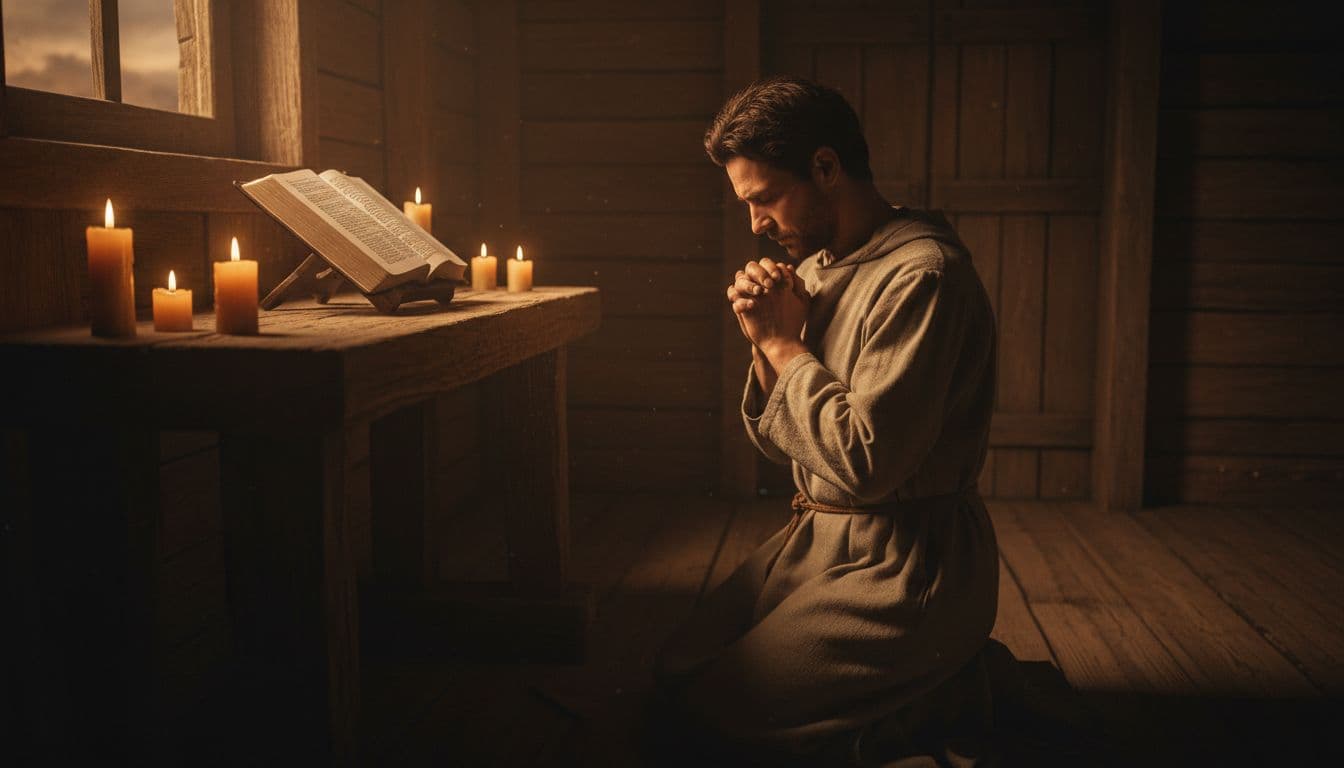
When our thoughts spin in circles, we need more than noise and distraction. We need to plug into the power of prayer. We can tell God what hurts, what confuses us, and what we fear. Then we can sit before Him long enough to let His peace steady us.
Journaling helps many of us here. We can write the doubt plainly. Then we can write the verse that answers it. We can write what triggered the fear. Then we can write where God has been faithful before. Over time, that journal becomes a witness. It reminds us that God has carried us before, and He will not stop now.
We also need people. Doubt grows fast in isolation. Therefore, we should speak with mature believers who know the Word and walk with God. A wise pastor, a steady mentor, or a faithful friend can help us sort truth from emotion.
Sometimes doubt is tangled up with panic, trauma, depression, or deep grief. In those cases, we should seek pastoral care and professional counseling when needed. That is not weak faith. It is humble wisdom. God often uses prayer, Scripture, and skilled care together to bring healing.
Anchor Christian Doubt in Scripture and Daily Obedience
Feelings move quickly, but God’s Word does not. So when Christian doubt rises, we must anchor our minds in what God has said, not in what the moment screams.
Romans 10:17 says faith comes by hearing the Word of God. Psalm 42 shows the psalmist speaking truth to his own soul. Jesus answered temptation with Scripture. He did not bow to feeling, and neither should we.

That means meditation matters. We read slowly. We repeat the verse. We pray it back to God. We carry it through the day. A few steady passages can do more for the soul than hours of anxious thinking.
Part of this fight is remembering who we are. Our emotions are real, but they are not our ruler. This teaching on living from our recreated spirit helps us remember that God speaks deeper than passing feelings.
A simple rhythm can help when the mind feels crowded:
- Read one short passage in the morning, often a Psalm or Gospel scene.
- Write one honest prayer and one clear fear in a journal.
- Speak one promise from Scripture out loud during the day.
- Reach out to one mature believer when the burden stays heavy.
Obedience also steadies the heart. When we keep gathering with God’s people, keep worshiping, keep forgiving, and keep serving, truth gains ground in us. Small acts of faith matter. They are like stones under our feet in muddy ground.
Some answers come fast. Others take time. Still, God’s character does not change while we wait. We walk by faith, not because every question is solved, but because Jesus is still trustworthy.
Fog does not always lift at once. Still, morning comes. The heart that brings its doubt to Jesus is not abandoned on the road.
When we face Christian doubt, we pray honestly, open Scripture, tell the truth, and receive help. We do not need to fake strength. We need grace, truth, and the Savior who still welcomes weak people.
And He does. He always does.