
Many readers want Jesus as Savior, but the Bible gives us more than comfort. It gives us a priest, a holy mediator who brings sinful people near to a holy God. That title is not a footnote. It is one of the clearest ways Scripture explains the work of Christ.
If we miss His priesthood, we shrink the gospel. We start thinking only about forgiveness, when the Bible also speaks about access, mercy, cleansing, and a living Savior who holds us fast.
So we need to listen carefully to the Bible’s own language. The story of priesthood begins in the Old Covenant and comes to its full answer in Jesus.
The Old Covenant Priesthood Was Real, but It Was Not Final
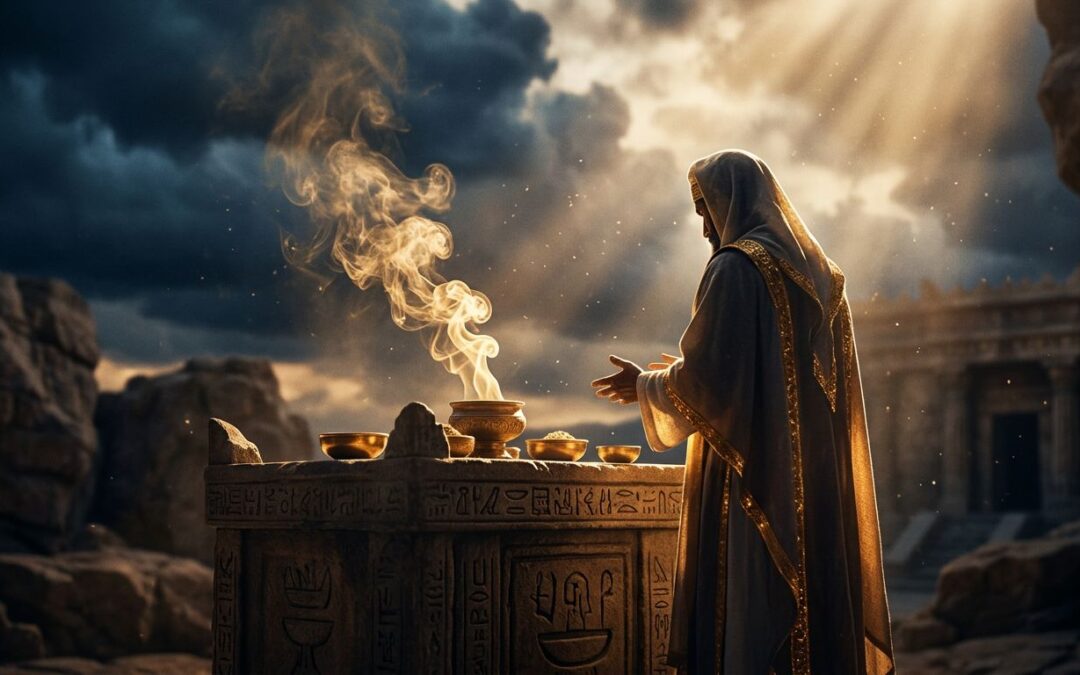
Under the Law, the priest did not wander into God’s presence casually. He was chosen, washed, clothed, and set apart. He entered with blood because sin had made the people unclean. The whole system taught one truth again and again: God is holy, and sinners need a mediator.
Hebrews 10:1 says the law had a “shadow of the good things to come.” A shadow is real, but it is not the thing itself. It tells us something greater is nearby, yet it cannot finish the work.
The priests of Aaron’s line repeated the same sacrifices because the problem never went away on its own. They also had their own sin to deal with. That is why the priesthood under Moses could teach, but it could not complete. It could expose guilt, but it could not remove guilt forever.
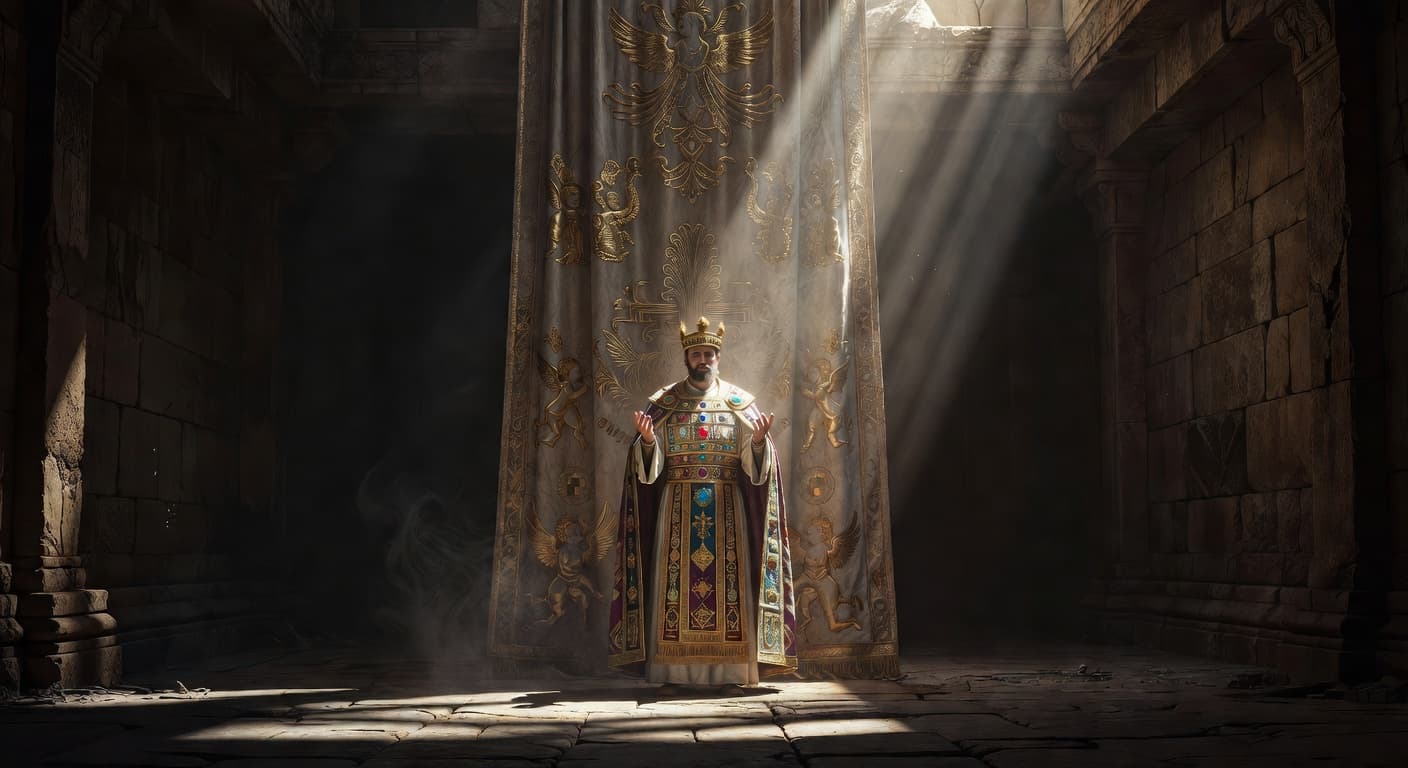
The veil in the tabernacle and later in the temple preached the same message. God was near, but not yet openly accessible. Blood was required. Holiness mattered. The people needed someone to stand between them and the judgment they deserved.
That is the first thing we must see. The Old Covenant priesthood was not a mistake. It was a mercy. It pointed forward, and it pointed upward, until the true priest arrived.
Jesus Fulfills What Aaron Could Only Begin
Jesus is not a priest because He came from Aaron’s family line. He is a priest because God appointed Him by oath, and Scripture says He belongs to a greater order, the order of Melchizedek. That word “order” means priestly pattern, not a temporary office passed around by weak men. It means a priesthood that is fixed, royal, and lasting.
Hebrews says it plainly. Jesus is “holy, innocent, unstained, separated from sinners” (Hebrews 7:26). Aaron had to offer for himself. Jesus did not. Aaron died and was replaced. Jesus lives forever and does not need a successor.
That is why His priesthood is better in every way. It is not built on ancestry alone. It is built on divine appointment, perfect character, and endless life. He is not a priest who hopes to finish the work. He is a priest who has already entered into glory.
This matters because we do not need a representative who shares our weakness in the sense of sin. We need one who shares our humanity without sharing our corruption. Jesus took on flesh, felt hunger, weariness, grief, and temptation, yet He never sinned. That is not a small detail. That is the foundation of His priestly worth.
A flawed priest can only point to God’s mercy. A sinless priest can actually secure it. That is why the Bible presses us to look away from every human priesthood and to rest in Christ alone.
The Cross Is the Once-for-All Sacrifice
The priesthood of Jesus cannot be separated from the cross. He is not only priest. He is also the offering. He gives Himself, and that is the heart of atonement, sin dealt with by God in the way God appoints.
“He entered once for all into the holy places, not by means of the blood of goats and calves but by means of his own blood” (Hebrews 9:12).
That phrase, once for all, shuts the door on repeated sacrifice. Jesus does not need to die again. He has already finished what the temple sacrifices could only picture.
When He died, the veil in the temple was torn from top to bottom. That was not decoration. That was a sermon in cloth and blood. It told us access had opened because Christ had done what no animal sacrifice could ever do. The old barrier had been judged, and the way into God’s presence had been made clear.
Hebrews 9:14 says the blood of Christ cleanses the conscience. That is stronger than outward washing. It means the inside of the sinner is touched. Guilt is not ignored. It is cleansed. Shame is not hidden. It is covered by better blood.
We need to say this carefully and plainly. The cross is not a tragic ending that God later repaired. The cross is the priestly act of Jesus, offered willingly, accepted fully, and sufficient completely. When we stand at Calvary, we are not standing at defeat. We are standing at the altar where the Son of God gave Himself for us.
The Living Christ Intercedes for Us
Jesus did not stay in the grave, and He did not retire after the resurrection. Hebrews says He “always lives to make intercession” for those who draw near to God through Him. Intercession means speaking for another, pleading on another’s behalf, representing another person before God.
That tells us something precious. Christ is not a distant memory. He is a living priest at the right hand of the Father. Romans 8:34 says He died, was raised, and is now at God’s right hand, interceding for us. We are not carried by a dead hero. We are kept by a living Savior.
This is where courage begins. Hebrews 4:14-16 tells us to hold fast our confession and to draw near with confidence to the throne of grace. Confidence does not mean arrogance. It means we trust the One who stands before the Father for us. We do not come because we are polished. We come because Christ is worthy.
And we do not treat that mercy lightly. A priest who gave Himself for our sin calls us to serious obedience, serious repentance, and serious discipleship. If we want to follow Him closely, we must accept the cost of true discipleship, because grace never trains us to love sin. It trains us to hate it.
Jesus knows our weakness. He was tempted, yet without sin. He knows the pressure, the tears, the fear, and the stubborn pull of the flesh. So when we pray, we are not speaking into emptiness. We are coming to One who understands and one who is able.
What Jesus’ Priesthood Means for Daily Faith
If Jesus is our High Priest, then prayer is not a desperate attempt to get God’s attention. It is a blessed privilege already opened by Christ. We do not have to beg our way past silence. We are invited to come near because the Son has already made peace.
That changes how we live. We confess sin without hiding. We read Scripture with expectation. We approach worship with reverence, not casual noise. We stop treating holiness like an optional extra, because the One who brings us near also calls us to be clean.
Grace does not cancel obedience. Grace teaches obedience. That is why obedience from love is the only right response to a Savior like this. We do not obey to earn acceptance. We obey because we have been accepted in the Beloved.
The priesthood of Christ also steadies our hope when we fail. We do fail. We grow tired, distracted, and weak. Yet our standing before God does not rise and fall with our best week or our worst one. It rests on a finished sacrifice and a living intercessor. That means repentance is not the end of the story. It is the road back home.
We should also read the Bible with fresh eyes. Every altar, every sacrifice, every veil, every high priest, all of it points to Jesus. The Scriptures are not scattered pieces. They are a single witness, and that witness says Christ is enough.
Conclusion
Jesus as our High Priest means we do not stand before God on our own record. We stand by a better priest, a better sacrifice, and a better promise. The Old Covenant priesthood showed the need. Christ fulfilled it.
That is why we can come boldly and humbly at the same time. Boldly, because His blood is sufficient. Humbly, because our hope is only in Him. The way is open, the Priest is living, and His intercession does not fail.
We began with the question of what the Bible says. The answer is clear. It says Jesus is our High Priest, and that changes everything.