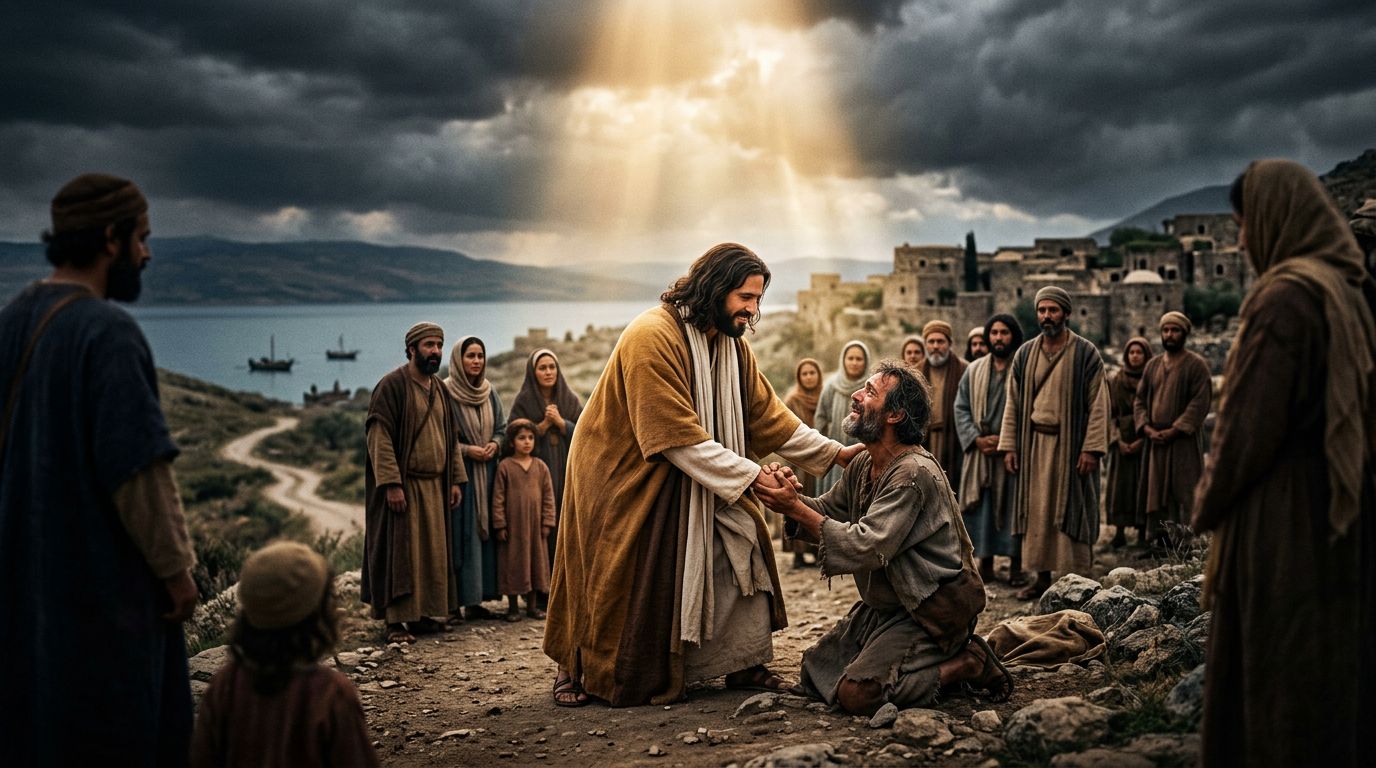
Christians should meet the persecution of Christians with faithfulness to Jesus, love for opponents, and refusal to repay evil. We depend on the Holy Spirit's power to obey God when obedience carries a cost.
Christian persecution brings real suffering, and we must never minimize what our brothers and sisters endure. Our response must be governed by Scripture, because pressure doesn't remove our responsibility to follow Jesus.
Key Takeaways
- We must remain obedient to Christ without treating every disagreement or correction as persecution.
- Prayer, forgiveness, Spirit-filled boldness, and practical wisdom belong together when believers face hostility.
- The church must support persecuted believers through faithful intercession, practical care, and advocacy for religious freedom.
What Christian Persecution Means
Christian persecution is a form of religious persecution: hostility, religious discrimination, legal restrictions, or violence directed at Christians because of their faith in Jesus Christ. It includes imprisonment, forced conversion, church destruction, legal discrimination, and social ostracism.
We must recognize the difference between suffering for obedience and facing consequences for wrongdoing. Harshness doesn't become holiness because someone attaches Jesus' name to it. Godly correction requires humility, while hostility against faith requires steadfastness.
Roughly 10% of the world's Christians live as religious minorities in non-Christian-majority states. These Christian minorities may be vulnerable when governments or communities deny religious freedom, though minority status alone doesn't establish persecution.
This hostility has a long history. In the Roman Empire, Tacitus's account of Nero says the emperor blamed Christians for the Great Fire of Rome in AD 64. Rodney Stark estimated fewer than 10,000 Christians existed in AD 100, an estimate rather than a recorded census.
The church's history reminds us that following Jesus has never depended on public approval.
Where Christians Face Severe Persecution
The 2026 World Watch List
Open Doors' 2026 World Watch List findings report that more than 388 million Christians, over one in seven worldwide, face high levels of persecution and discrimination.
Its ten highest-ranked countries are North Korea, Somalia, Yemen, Sudan, Eritrea, Syria, Nigeria, Pakistan, Libya, and Iran.
Monitoring reports document faith-related killings, abductions, church attacks, and forced displacement, particularly in parts of sub-Saharan Africa, including some areas of Nigeria, and conflict-affected regions. These categories describe people whose worship, homes, livelihoods, and lives are threatened because they belong to Christ.
Different Reports Measure Different Things
Aid to the Church in Need's October 2026 Persecuted and Forgotten? report places the number directly exposed to severe persecution at around 220 million. Conditions worsened in 55% of the 18 countries examined.
These figures shouldn't be added together. Organizations use different definitions, thresholds, reporting periods, and geographical coverage. Estimated populations facing pressure also differ from documented incidents.
The USCIRF 2020 annual report recommended countries of particular concern including Burma, China, Eritrea, India, Iran, Nigeria, North Korea, Pakistan, Russia, Saudi Arabia, Syria, and Vietnam. That historical religious-freedom assessment isn't a substitute for a 2026 Christian-specific ranking.
Why Christians Are Targeted
Government Control and Religious Nationalism
Authoritarian governments restrict Christians when allegiance to Jesus threatens demands for unquestioning loyalty to the state. North Korea and Eritrea demonstrate how government control can reach worship, church leadership, religious literature, and private belief.
Religious nationalism can treat Christianity as foreign or disloyal, especially when a state religion is tied to national identity. In India, Hindu nationalist hostility can place Christians under pressure to abandon their faith.
Pakistan's blasphemy laws, shaped by Islamic legal provisions, can expose accused Christians to death sentences. Accusations can also provoke mob violence before a court determines guilt. We must distinguish government policy, extremist conduct, and individual neighbors rather than condemn entire populations.
Extremist Violence and Community Pressure
Extremist groups also persecute believers. The US State Department has designated entities of particular concern including Boko Haram, the Houthis, ISIS-Khorasan, al-Shabaab, and the Taliban.
Boko Haram is active in parts of Nigeria. Other listed groups operate in places including Yemen, Pakistan, Afghanistan, and Somalia. Their methods and territories differ, but extremist violence can make Christian worship dangerous.
Pressure also comes through families and communities. A believer may lose employment, inheritance, housing, or family relationships after conversion. We must take these losses seriously even when persecution doesn't leave a visible wound.
Stand Firm Through the Holy Spirit

Obedience Must Govern the Response
In Acts 5:27-32, the apostles faced orders to stop teaching in Jesus' name. Their answer established the governing principle: "We ought to obey God rather than men."
We respect lawful authority, but no human authority can require us to deny Christ or willingly disobey His Word. Faithfulness means continuing in truth when silence or compromise would protect our comfort.
Our teaching on the cost of discipleship addresses this surrender. Salvation comes through grace, and genuine faith responds to that grace with willing obedience. Suffering doesn't purchase salvation.
Seek the Spirit’s Filling
We cannot sustain Christian witness through determination alone. We need the Holy Spirit's filling, guidance, and power. As Spirit-filled believers, we pray in the Spirit, including tongues, and submit our words and actions to Scripture.
The Holy Spirit's work in believers includes forming Christlike character. Spiritual gifts never excuse bitterness, dishonesty, or disobedience.
Bring fear before God honestly. Ask Him for courage, clean motives, wisdom, and words that honor Jesus. The Spirit's power enables faithful witness without giving us permission to become cruel toward those who oppose us.
Love Enemies Without Cooperating With Evil
Refuse Personal Vengeance
Jesus pronounces blessing on those persecuted for righteousness and falsely accused for His sake in Matthew 5:10-12. His teaching directs our attention toward faithfulness and our heavenly reward.
We must guard against allowing another person's hatred to govern our own heart. Pray for persecutors to repent and receive salvation. Restrain anger, speak truthfully, and leave vengeance with God.
Forgiveness doesn't require calling evil good. Nor does it require immediately restoring trust or giving a dangerous person unrestricted access to you or your family.
Seek Safety With Wisdom
Faithfulness doesn't require deliberately remaining within reach of preventable harm. Scripture records believers escaping threats, receiving help, and using available legal protections. Seeking safety can preserve life and allow ministry to continue.
If you face immediate danger, seek emergency assistance where doing so is safe, and tell a trusted person who can help. Where authorities participate in persecution, seek confidential assistance through trustworthy local leaders or protection organizations.
We must never use spiritual language to pressure someone into remaining in abuse. Courage and wise protection belong together.
Defend Religious Freedom Without Compromise
The United Nations General Assembly adopted the Universal Declaration of Human Rights in 1948. The International Covenant on Civil and Political Rights was adopted in 1966.
Article 18 of the ICCPR protects freedom of thought, conscience, and religion, including protection against coercion. It also safeguards parents' liberty concerning their children's religious and moral education.
Restrictions on outward religious practice must be prescribed by law and necessary to protect public safety, order, health, morals, or others' fundamental rights. Those provisions don't authorize arbitrary suppression.
Defending freedom of conscience also means opposing anti-Semitism and other forms of religious hatred.
Treaties don't enforce themselves. Governments must uphold their obligations, and victims need meaningful access to protection and justice.
We can advocate for religious freedom without compromising the Gospel. Defending that freedom for others also refuses the coercion Christians themselves suffer.
Carry the Burdens of Persecuted Believers
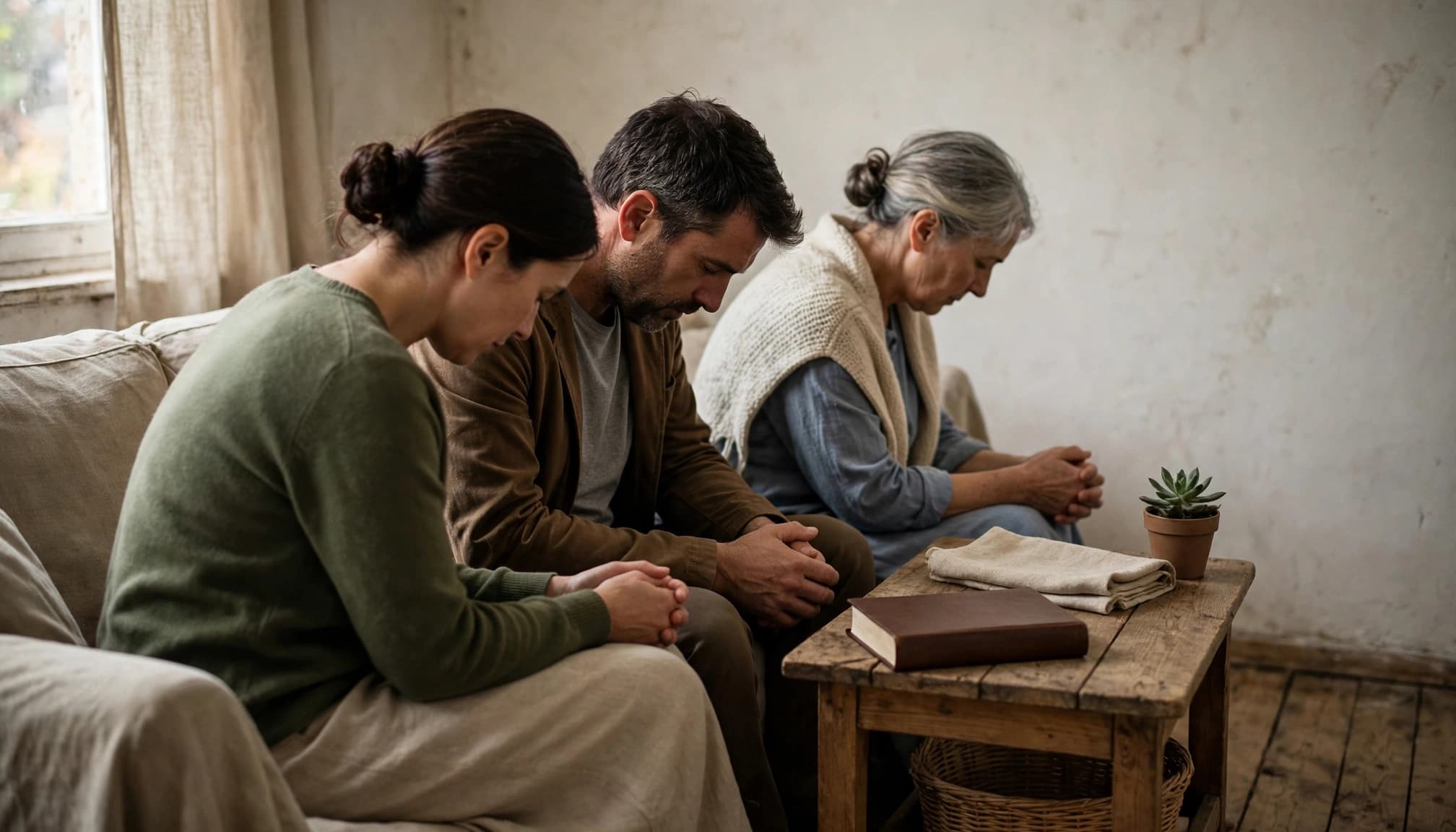
The persecution of Christians calls for practical care. Churches can support Christian believers through prayer and practical help. They pray for protection, release from imprisonment, healing, daily provision, and boldness to remain faithful. They also pray for families carrying grief and uncertainty.
Churches can fast, give toward trustworthy relief work, support displaced families, and provide pastoral encouragement. Food, safe housing, medical treatment, and legal assistance are meaningful expressions of Christian love.
Protect the people you're helping. Don't publish names, photographs, locations, or conversion stories without informed permission when disclosure could expose believers to danger.
Our teaching on enduring trials without losing faith emphasizes forgiveness, prayer, and dependence on God. That care must include room for tears. We cannot demand that wounded believers perform happiness before receiving fellowship.
Listen patiently. Receive their requests seriously. Continue caring after the first report has passed and public attention has moved elsewhere.
Questions About Responding to Persecution
Does Continuing Suffering Mean Someone Lacks Faith?
No. Scripture includes faithful believers who endured imprisonment, mistreatment, and death. Continued hardship doesn't prove defective faith.
We believe God delivers, heals, and works miracles. We also refuse to promise immediate rescue where God hasn't made that promise. Faith trusts His character while the outcome remains unknown.
Can Christians Rejoice While They Are Grieving?
Yes. Christian joy rests in belonging to Jesus and trusting His promises, while grief acknowledges genuine loss.
Jesus said, "In the world you will have tribulation; but be of good cheer, I have overcome the world" (John 16:33). His victory gives hope without requiring denial of pain.
Remain Faithful to Jesus
Our response to persecution must remain under Christ's authority. We obey His Word, depend on the Holy Spirit, forgive our enemies, and stand beside suffering believers with practical love.
Our hope rests in Jesus, whose death and resurrection establish that suffering and death won't have the final word. Bring fear before Him, receive help from His people, and continue in the obedience He has already made clear.