

Church discipline sounds harsh until we remember that Jesus never told His church to ignore sin.
Many people hear the phrase and think of punishment, embarrassment, or control. Scripture gives a different picture. It is correction inside a covenant people, done for the good of the sinner, the safety of the flock, and the honor of Christ.
When we read Matthew 18, 1 Corinthians 5, and Galatians 6, the pattern becomes plain. The church must speak truth, guard holiness, and call people back to repentance. That is where we begin.
The Church Does Not Ignore Sin
Sin cannot be treated like a private inconvenience inside the church. Paul told the Corinthians that a little yeast leavens the whole lump, and he was not using a soft image. He was warning them that tolerated sin spreads.
The church is a body, not a loose crowd. When one member lives in open rebellion, the whole body feels the damage. That is why Scripture refuses the shallow idea that love means silence. Real love speaks when sin is destroying a soul.
We also need to remember that discipline is not reserved for the dramatic cases only. Scripture cares about false teaching, sexual immorality, divisive speech, and stubborn refusal to repent. When sin shows up in words, gossip and slander in the Bible reminds us that careless talk can wound a congregation before anyone notices.
A church that never corrects anyone does not become gracious. It becomes confused. Holiness fades, and people learn to hide instead of repent. The issue is not whether we are sinless. The issue is whether we will answer sin with Scripture.
A church that will not confront sin will eventually train people to live with it.
That is why biblical church discipline is part of love, not a betrayal of it. The church is not called to be harsh, but it is also not called to be numb.
Matthew 18 Gives the Pattern
Jesus gave a clear pattern in Matthew 18:15-17. First, go privately. Second, take one or two witnesses. Third, tell it to the church. Fourth, if the person still refuses to listen, treat him as an outsider, not as a brother who is walking in repentance.
That order matters. It keeps pride out of the process. It keeps gossip out of the room. It keeps the church from becoming a rumor mill with a Bible verse attached. The first move is not exposure. The first move is direct, truthful, private conversation.
A plain summary of church discipline in Matthew 18 follows the same path. We begin quietly, not publicly. We seek repentance before removal. We do not rush to shame when obedience may still be possible.
Jesus did not hand the church a weapon. He handed the church a path. That path protects the sinner from needless humiliation, and it protects the congregation from careless accusation.
Some matters never reach the whole church because the brother or sister hears the correction and turns back. That is mercy, and we should not rush past it. The best outcome is not a formal process. The best outcome is a restored person walking again in fellowship with Christ and His people.
Restoration Is the Goal
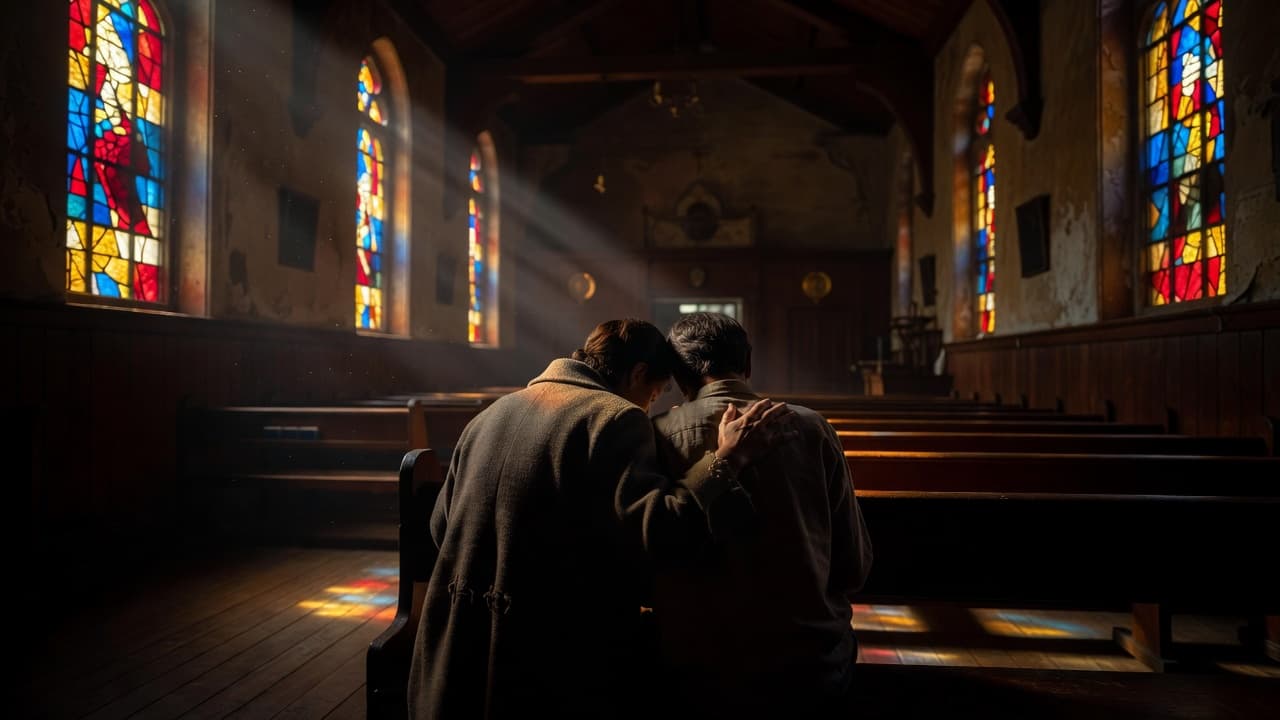
That is why we cannot talk about church discipline as if it were a cold procedure. Galatians 6:1 says that if anyone is caught in any transgression, those who are spiritual should restore him in a spirit of gentleness. The word restore matters. It means putting something back where it belongs.
We should read that text alongside Hebrews 12:6, which says the Lord disciplines the one He loves. God's correction is never random, and it is never cruel. It is fatherly. The church should reflect that same heart.
Grace Church's summary of church discipline and restoration says it plainly: the purpose is the spiritual restoration of fallen members and the strengthening of the church. That is not a side note. That is the point.
If discipline produces humiliation with no hope of return, we have gone off the rails. If it excuses sin in the name of kindness, we have gone off the rails another way. Truth without love becomes a club. Love without truth becomes a lie. Christ calls us to both.
Biblical church discipline is not about proving who is strong. It is about helping the weak come home. It is about making space for repentance, confession, and change. It is about saying, with clear eyes, that sin is serious and grace is real.
Gentleness and Truth Must Stay Together
Churches may differ in practice, and we should say that honestly. Some use formal membership structures. Some do not. Some place the weight on elders. Some involve the congregation more directly. The shape changes, but the biblical principles do not.
First, the charge must be clear. We do not accuse vaguely. We do not move on rumor. We compare the matter with Scripture, with facts, and with witnesses when needed. Second, the tone must stay humble. Galatians 6:1 warns us to watch ourselves, too. Anyone who corrects another person while stroking his own pride has already failed.
Third, we act for the sake of the church's health. Sin left alone damages trust, worship, and witness. That is why the cost of following Jesus includes submitting our habits, our speech, and our hidden motives to the light of Christ. Discipline is one way the Lord keeps His people clean.
We should also move slowly enough to be just and quickly enough to be faithful. Prayer matters. Listening matters. Documentation matters. So does patience. A rushed verdict is not holiness. It is carelessness.
When a church addresses sin with Scripture and tears, it teaches everyone that obedience still matters. When it refuses to address sin, it teaches everyone that holiness is optional. That is not a small matter. The church must belong to truth before it belongs to public opinion.
What Leaders and Members Must Remember
Leaders must not enjoy discipline. Members must not gossip about it. Everyone must remember that a disciplined church is not a perfect church, it is a church that still believes Scripture.
Pastors should correct with patience, clarity, and evidence. They should not let personal preference guide the process. Church members should refuse side conversations, because whispered versions of a story almost always grow teeth. If a matter is serious, we bring it to the right people, not to a crowd.
Three habits help us keep our footing:
- We examine ourselves before we correct others.
- We speak to the person, not around the person.
- We welcome repentance without punishing humility.
That last point matters. When someone turns, we do not keep pushing him to the edge. We restore, forgive, and receive him with seriousness and joy. That is the mark of a healthy congregation. It is also where biblical church unity becomes more than a slogan, because unity built on denial is not unity at all.
A church that loves Christ will love truth, and a church that loves truth will not make peace with open sin. We can be gentle without being weak. We can be firm without being proud. Those two things belong together.
Conclusion
Church discipline is not the church acting superior. It is the church submitting to Christ. The Bible gives us a pattern of private correction, careful witnesses, honest confrontation, and hopeful restoration.
We should never celebrate discipline as if it were victory over a fallen brother or sister. The victory is repentance. The victory is reconciliation. The victory is a sinner brought back under the mercy of God.
If we want to understand what the Bible says about church discipline, we start here: holiness matters, pride must die, and restoration is always the aim.