

Sin doesn't merely bruise the conscience, it pulls the heart away from God. Yet the Bible never leaves us staring at the wreckage. It calls us back.
When we hear the word repentance, we may think of shame, fear, or punishment. Scripture gives a stronger and better picture. Repentance in the Bible is God's gracious call to turn around, come home, and walk with Him again.
That truth matters, because many of us feel sorrow for sin without truly turning from it.
What repentance in the Bible really means
Jesus began His public message with a command: "Repent, for the kingdom of heaven is at hand" (Matthew 4:17). That call was urgent because God's rule had come near in Christ. Repentance was not a mood. It was a response.
In Scripture, repentance means a changed mind that produces a changed direction. Acts 3:19 says, "Repent therefore, and turn back, that your sins may be blotted out." Notice both parts. We turn inwardly, and then we turn outwardly. The heart bends toward God, and the life begins to follow.
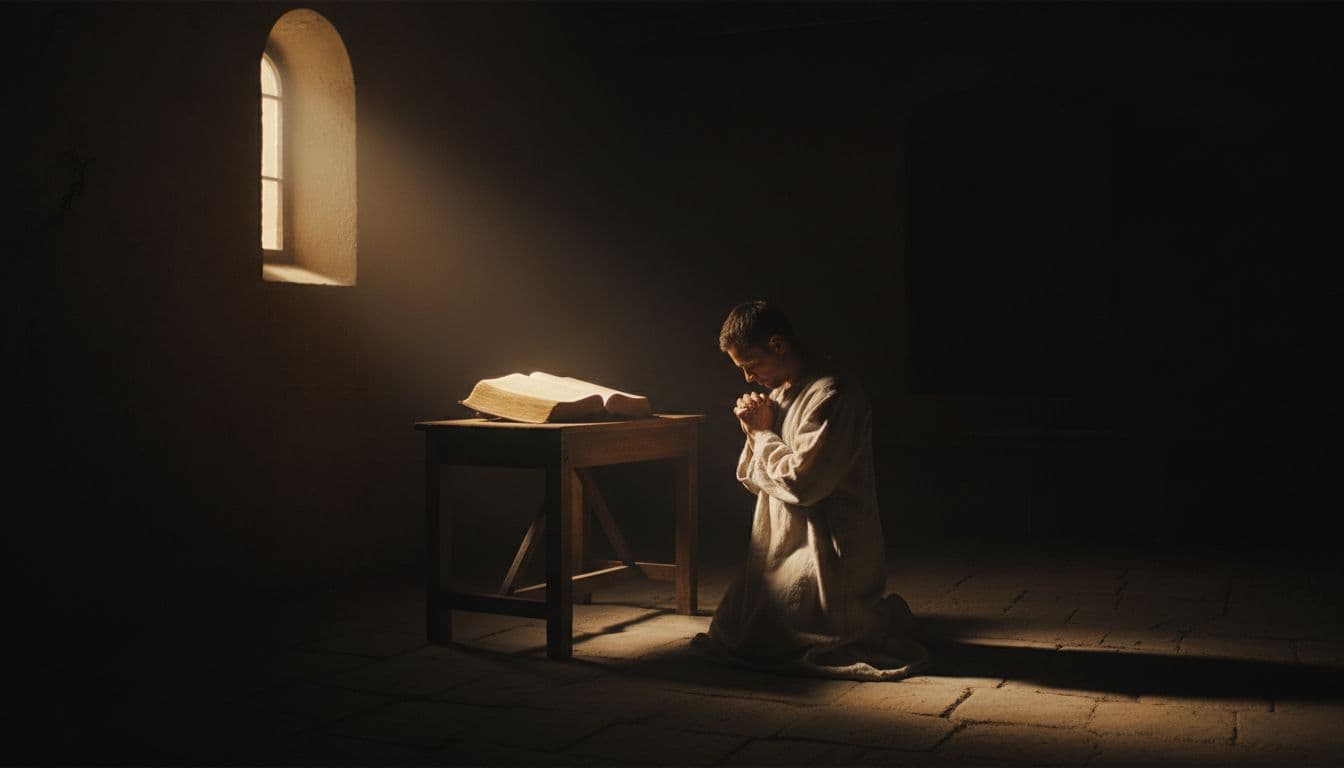
This is why repentance in the Bible is never mere regret. Pharaoh admitted sin, yet returned to hardness. David confessed, "I have sinned against the Lord," and then sought mercy with a broken heart. One man hated the pain of consequences. The other hated the sin itself.
Repentance is not paying God back. We can't repair our guilt with effort. We come empty-handed, and we come agreeing with God about our sin. When we want a helpful teaching on heart change, true biblical repentance explained shows how renewed thinking leads to a new walk.
Confession, forgiveness, faith, and obedience work together
Confession is the honest voice of repentance. First John 1:9 promises that if we confess our sins, God forgives and cleanses. We don't hide, soften, or rename sin. We bring it into the light.
Yet confession alone is not the whole response. We may admit wrong and still cling to it. Biblical confession joins hands with faith. Acts 20:21 speaks of "repentance toward God and faith toward our Lord Jesus Christ." We turn from sin, and we trust the Savior who bore it.
Forgiveness flows from the cross, not from our tears. Our sorrow cannot wash us. Jesus can. This is why the woman in John 8 found both mercy and a command. Jesus did not condemn her, and He also said, "Go, and sin no more" (John 8:11). Mercy did not excuse her sin. Mercy freed her to leave it.
Obedience, then, is the fruit of repentance. We don't obey to earn pardon. We obey because grace has met us. When God forgives, He also teaches us to walk differently. A helpful Kingdom Builders message on freedom through biblical forgiveness shows how release and healing grow out of God's mercy.
True repentance is different from shame and worldly sorrow
Many people confuse repentance with shame. Shame says, "Hide from God." Repentance says, "Run to God." Those voices do not lead to the same place.
Paul made the difference plain in 2 Corinthians 7:10: "Godly sorrow produces repentance leading to salvation ... but the sorrow of the world produces death." Worldly sorrow feels bad because sin costs us something. Godly sorrow grieves because sin is against a holy and loving God.
Judas felt remorse after betraying Jesus, but he did not return in faith. Peter wept after denying Jesus, and he came back to the Lord who restored him. Both men felt pain. Only one turned back.
Godly sorrow opens the door to mercy, because it moves us toward Christ instead of away from Him.
Romans 2:4 says God's kindness leads us to repentance. God corrects us, but He also draws us. Luke 15 shows the father running toward the prodigal son. God welcomes the one who truly comes home. Shame chains us to the past. Repentance brings us into the Father's arms.
How we can turn back to God today
When we want to return to God, we do not need a polished speech. We need truth, humility, and a willing heart. Repentance begins inside, but it never stays hidden.
- We confess plainly. Psalm 51 shows David dropping every excuse. We do the same when we name our sin before God.
- We believe the gospel. John 3:16 reminds us that God gave His Son so we would not perish. Repentance without faith sinks into despair.
- We cut off what feeds the sin. If a habit, place, or relationship keeps pulling us down, we must deal with it honestly.
- We practice new obedience. Luke 3:8 says, "Bear fruits in keeping with repentance." That means prayer, Scripture, worship, and clean choices.
We also need God's people. A faithful church, wise counsel, and daily surrender help us stay turned toward the Lord. When we want help learning to surrender old ways to God and walk in Him, that kind of teaching can encourage the next step.
Sin can take us far, but grace reaches farther. The call to repent is God's open door for prodigals to come home.
When we confess, trust Christ, and turn our steps toward Him, He forgives and cleanses. Repentance humbles our pride, yet it heals the soul.
If we need to return, we can begin today, with honest prayer and willing obedience. The road back to God is open, and we do not have to stay where we fell.