
Rejection can wound you, but it doesn't have to define you. When someone refuses or excludes you, the pain can reach your confidence, your sense of belonging, and even the way you see yourself.
As believers, we can bring that pain to God, receive His correction when it is needed, and trust Him to remain faithful. We begin with the truth that human rejection does not mean God has abandoned His children.

God Is Faithful in the Middle of Pain
Sister Vicki shared that when she was unable to walk, her husband bought her a cane and a walker. As she lay on the bed, she remembered the Lord's promise that He would never leave her or forsake her.
The devil wants us to believe God has abandoned us, but God is a faithful Father. Sister Vicki's testimony reminds us to hold on to God's faithfulness in suffering and to believe that He can turn what the enemy meant for evil toward good.
What Rejection Can and Cannot Do
Rejection means refusing to accept, approve, use, or believe someone or something. When it comes from someone you love, the hurt may cause you to question your worth or wonder where you belong.
Sometimes rejection is unjust. You may be rejected because you stand for the Lord or refuse to follow others into something wrong. At other times, our own behavior may contribute to the situation. We must be willing to look honestly at how we treat people.
There are also times when God uses a closed door to redirect us. We don't always see His purpose in the middle of the pain, but rejection by people does not cancel God's care for His children.
Joseph’s Rejection Did Not Stop God’s Plan
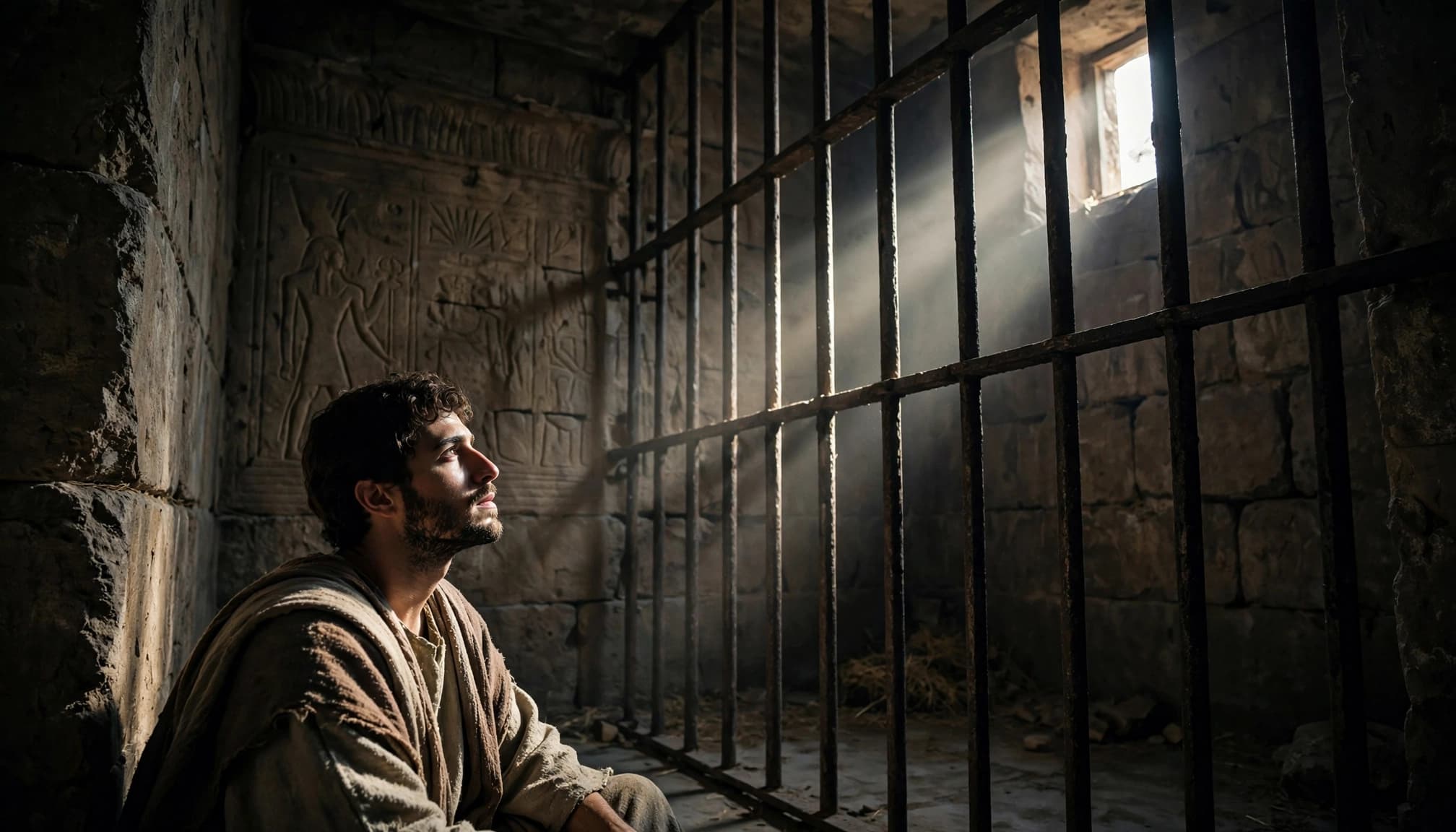
Joseph's brothers were jealous of him. They threw him into a pit and sold him into slavery. Later, he was falsely accused in Potiphar's house and sent to prison.
Even there, God was with Joseph. After Joseph interpreted dreams in prison, the cupbearer eventually remembered him when Pharaoh needed an interpretation. Joseph was brought before Pharaoh and became second in command in Egypt, where he was positioned to help save lives.
Joseph's example of faithfulness through betrayal shows that God was working when Joseph couldn't see the whole plan. The rejection was painful, but it was not the end of Joseph's story.
Brother Jeremy also experienced closed doors after losing his job. During that time, he gave more attention to seeking God and received the baptism of the Holy Ghost. He later became a plant manager at another company. We thank God for the way He worked in that situation.
Jesus Understands Rejection
Jesus did no wrong, yet He was rejected. Isaiah 53:3 describes Him as despised and rejected, while 1 Peter 2:4 calls Him rejected by men but chosen and precious to God.
Jesus came to preach good news, heal, and proclaim liberty to captives. He healed people and delivered them, yet many still turned against Him.
The crowd called for Barabbas, Judas betrayed Him, and Peter denied Him. Even on the cross, Jesus prayed, "Father, forgive them" (Luke 23:34). Our Lord knows the pain of rejection, and He also shows us the way of forgiveness.
Be Willing to Examine Your Heart
Not every rejection is persecution. Sometimes it is feedback that reveals a pattern we need to address. We may interrupt others, dominate conversations, insist on the last word, or become offended when someone corrects us.
If we keep saying that everyone is against us, we need to stop and ask God to show us whether something in our own conduct needs to change. Psalm 139:23-24 gives us a prayer for this: "Search me, O God, and know my heart."
Philippians 2:3-4 calls us to humility and to consider the interests of others. We should welcome honest correction from someone who loves us, and when we correct another person, we should do it in love and be willing to help.
Stop, Pray, and Receive Correction
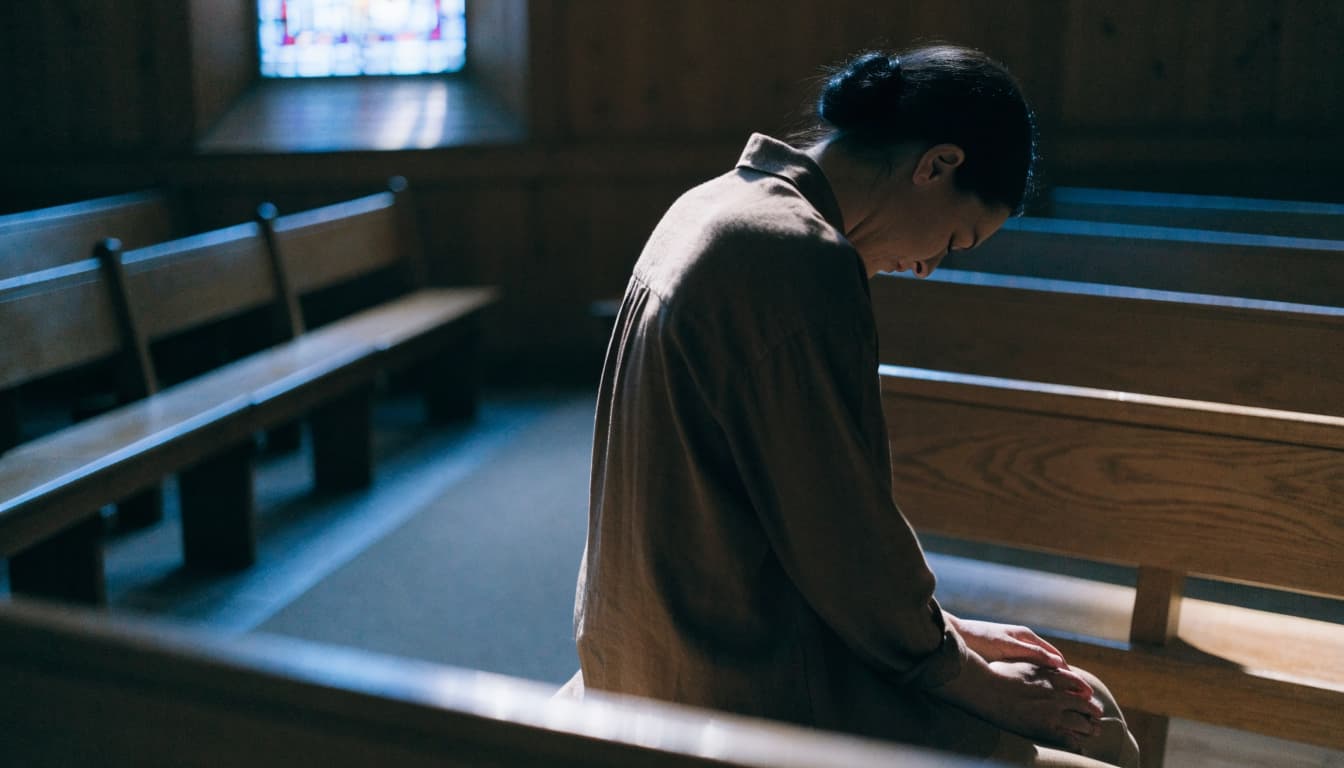
When rejection hurts, the immediate desire may be to defend ourselves or strike back. We must stop before reacting and bring the pain to God. You can tell Him plainly that you are hurt.
A short prayer offered in faith can help us turn away from a fleshly response and listen to the Holy Ghost. Then we can reflect: Did our words or actions contribute to the situation? Is God showing us something that needs to change?
If He reveals sin, we must repent. Repentance means changing our thinking and turning toward God's way. As He changes our hearts, our actions must change too.
Forgive Without Accepting Continued Harm
Forgiveness releases bitterness, but it doesn't give another person permission to keep hurting you. Forgiveness and healthy boundaries can coexist. You can forgive while refusing to become a doormat.
Our teaching on forgiving while keeping healthy boundaries explains that forgiveness doesn't require instant trust or expose you to further harm. Godly counsel from a trusted believer or pastor can also help when the hurt is difficult to carry.
Sometimes we have to speak forgiveness before our feelings catch up. We can ask the Lord to help our hearts follow the decision to forgive.
Testimonies of Rejection and God’s Care
A Loving Response
Sister Vicki was hurt when other girls made fun of her. Her mother gave her Godly counsel to bless those who had hurt her, so Vicki bought them a gift and took it to church.
Later, one of the girls wrote to apologize. She went on to serve the Lord in ministry. Vicki's response showed love instead of allowing bitterness to take hold.
A Door That Opened
Brother Steve shared that he was initially turned down for a job opportunity in 1989. The rejection hurt him, and he prayed for God's help. The following Monday, he was called in and offered the position.
Family Reconciliation
Sister Naz was disowned by her Muslim family for six years after she became a Christian. She continued calling, but her parents didn't answer. During that painful time, she held on to the Lord as her family.
After six years, she reconciled with her family and now speaks with them regularly. She loves and honors them and continues to pray for them to come to faith in Jesus.
Rejection Is Not Your Identity
The pain of rejection is real, but it doesn't determine who you are in Christ. Bring your hurt to the Lord, receive His correction, and ask Him to help you forgive.
1 Peter 5:7 tells us to cast our cares on Him because He cares for us. People may turn away, but our faithful Father will not leave His children.