

Pain does not always come with an explanation. A death, betrayal, diagnosis, injustice, or long season of depression can leave you with words that feel too heavy to say.
Biblical lament gives those words a place to go. It does not pretend that suffering is small, and it does not demand that you feel better before you pray. It brings grief to the living God because faith refuses to suffer alone.
God has given His people prayers for the days when praise feels difficult. We do not have to manufacture a cheerful answer. We can come before Him truthfully.
What Biblical Lament Actually Means
Biblical lament is an honest cry to God in the middle of real sorrow. It speaks of loss, confusion, fear, anger, loneliness, and questions, yet it speaks to God, not merely about Him.
This matters. A lament says, “Lord, where are You?” because the person praying still believes the Lord hears. It may shake. It may weep. It may not understand God’s purpose. But it has not walked away from God.

The Bible does not hide this language. Psalm 13 begins, “How long, O Lord? Will you forget me forever?” David was not giving God information. He was pouring out a wounded heart before the God he knew.
Lament is not weak faith. It is faith under pressure. A person who laments is not saying suffering is acceptable. He is saying, “This hurts, and I am bringing it to the only One who is holy, wise, and able to help.”
Lament does not deny God’s goodness when life is bitter. It brings bitterness to God because His goodness is still the ground beneath a broken life.
Biblical Lament Fills the Psalms
The Psalms teach us that God welcomes prayer that is reverent and unguarded. More than a few psalms begin in darkness and end with renewed trust, but the path between those points is often filled with tears.
David Asked God Hard Questions
David wrote, “My God, my God, why have you forsaken me?” in Psalm 22:1. These are not polished religious words. They are the cry of someone who feels abandoned, even while he addresses God as “my God.”
Psalm 10 asks why the Lord seems far away in trouble. Psalm 42 records a soul cast down within itself. Psalm 88 ends without the relief many people expect. God preserved these prayers in Scripture. He did not erase the questions to make His people look stronger.
When you cannot see what God is doing, you can still say what is true. You can tell Him that you are afraid. You can confess that the waiting feels unbearable. You can ask Him to act.
Lament Holds Sorrow and Trust Together
Biblical lament does not stop at pain, though pain may be the first thing spoken. Psalm 13 moves from “How long?” to “But I have trusted in your steadfast love” (Psalm 13:5). The circumstances were not necessarily changed when David prayed those words. His gaze was being brought back to the character of God.
Psalm 23 does not promise a path with no dark valleys. It says, “I will fear no evil, for you are with me.” Read Psalm 23 in full and notice the certainty is God’s presence, not an easy road.
This is why biblical lament is different from religious denial. We do not say, “Everything is fine,” when it is not fine. We say, “God is faithful,” while we wait for what we cannot yet see.
Lament Is Not Sinful Accusation
There is a difference between bringing a complaint before God and placing God in the dock as though He must answer to us. Scripture gives us room to grieve, but it never gives us permission to call evil good or charge the Lord with wrongdoing.
Honest Complaint Still Bows Before God
Habakkuk asked, “How long shall I cry for help, and you will not hear?” (Habakkuk 1:2). He saw violence, injustice, and destruction. God did not rebuke him for bringing the burden into prayer.
Yet Habakkuk did not claim that God was corrupt. He waited for God’s answer, received God’s correction, and finally declared that he would rejoice in the Lord even if the fields produced nothing (Habakkuk 3:17-18).
A godly complaint says, “Father, I do not understand this.” A sinful accusation says, “Father, You have done wrong.” One clings to God’s authority. The other attempts to judge God from a place of unbelief.
Cynicism and Despair Close the Door
Cynical complaint speaks as if prayer is useless and obedience is foolish. Despair says darkness has the final word. Neither is the language God calls us to embrace.
Lament tells the truth about darkness, but it does not crown darkness king. The Lord is still Lord when your prayers feel dry. Jesus Himself cried the words of Psalm 22 from the cross (Matthew 27:46), and then committed His spirit into the Father’s hands (Luke 23:46).
We must not confuse emotional numbness with rebellion. A weary believer may have little strength to speak. God knows our frame, and He remembers that we are dust (Psalm 103:14). Even a whispered “Help me, Lord” is prayer.
How to Practice Biblical Lament in Prayer
You do not need special language or a perfect emotional state to lament. Open the Bible, come honestly, and refuse to hide what God already sees. The Psalms can give shape to your own words when pain makes clear thinking difficult.
Turn Toward God First
Begin with God Himself. Name Him according to what Scripture says is true: Father, Lord, Shepherd, Refuge, Redeemer, God of all comfort.
Then tell Him where you are. Do not clean up the story. If you are grieving, say so. If you are angry about evil, bring that anger under His authority. If you feel abandoned, tell Him you feel abandoned, while remembering feelings are not the final judge of God’s presence.
We have seen people feel guilty for praying with tears, but tears are not a failure of faith. Jesus wept at Lazarus’s tomb (John 11:35). God the Son stood before death and was moved by its terrible reality.
Bring the Burden, Ask, and Remember
A simple pattern can help when you do not know where to begin:
- Turn to God: “Lord, You are near to the brokenhearted, and I am coming to You.”
- Tell Him what hurts: “This loss has left me confused and afraid. I miss this person. I do not know what to do next.”
- Ask plainly: “Give me strength for today. Bring justice. Provide help. Keep me from bitterness. Show me what faithfulness looks like now.”
- Choose trust: “I do not understand Your ways, but I will not leave You. You are faithful, and Jesus is my hope.”
You may pray that structure in five minutes or return to one line all day. Do not force a quick resolution that God has not given. Faithfulness is not pretending the prayer is finished when the ache remains.
Jeremiah wrote from severe affliction, “But this I call to mind, and therefore I have hope: The steadfast love of the Lord never ceases” (Lamentations 3:21-22). Lamentations 3 holds together grief, judgment, waiting, and hope. That is the shape of biblical faith in a fallen world.
Grief, Trauma, and Depression Need Care
Some wounds are carried for years. A traumatic event can affect sleep, memory, safety, relationships, and the ability to pray. Depression can make a believer feel empty even when he knows the promises of God. These struggles are not solved by telling someone to try harder.
Seek Wise Help Without Shame
Prayer, Scripture, worship, and Christian community are not opposed to medical care or professional mental-health treatment. God often provides help through trained counselors, physicians, trusted pastors, and wise believers who will stay near when life is hard.
If you are in danger of harming yourself or someone else, seek immediate emergency help and tell a trusted person near you. Do not carry that crisis by yourself.
The Scriptures call believers to bear one another’s burdens (Galatians 6:2). That burden-bearing includes listening without rushing to fix, bringing meals, sitting in silence, praying faithfully, and helping someone find appropriate care. These Scriptures for troubled times can also give language when your own words feel exhausted.
Let the Church Make Room for Tears
The church should not be a place where hurting people must perform happiness. Romans 12:15 commands believers to weep with those who weep. That takes patience. It means we do not answer every grief with a slogan or assume one prayer removes every battle.
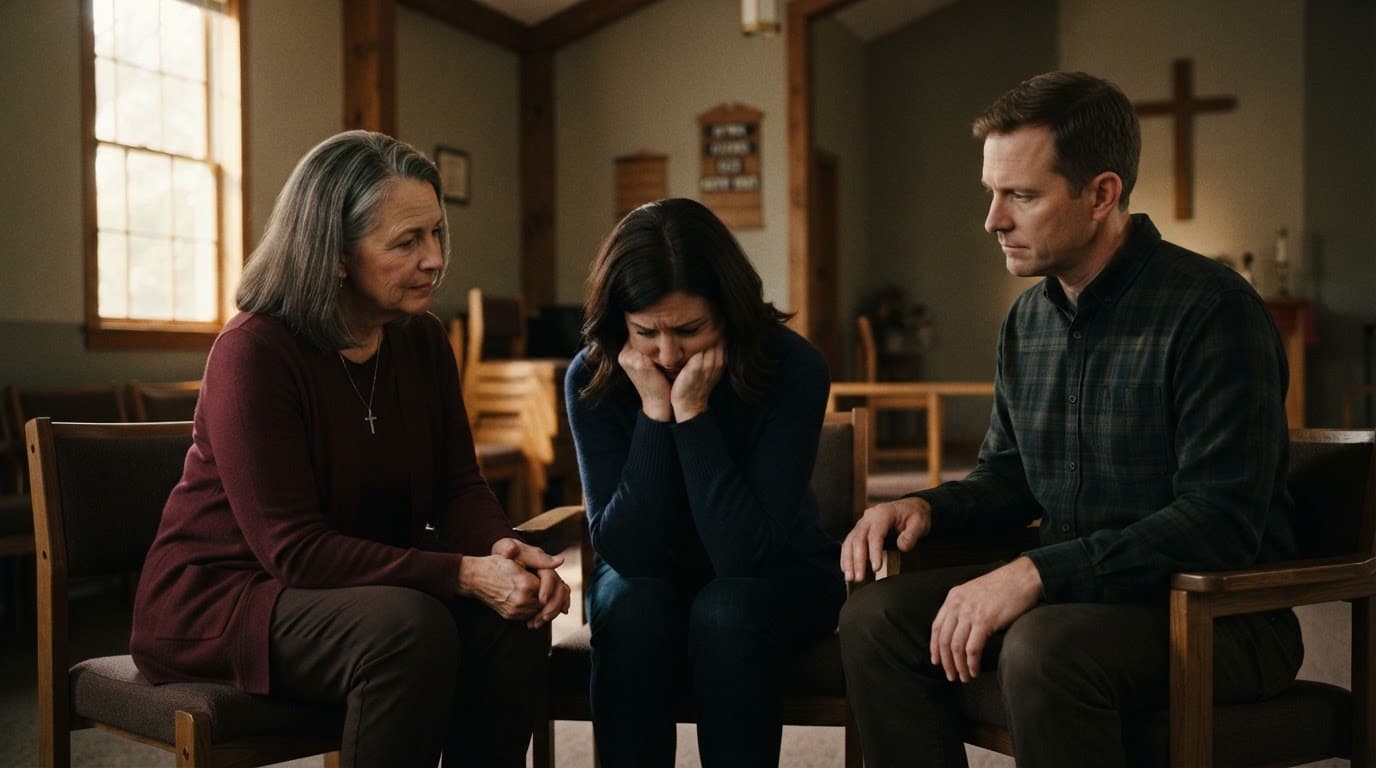
We need brothers and sisters who will remind us of truth when our minds are tired. We also need humility to receive that care. Lament is personal prayer, but God often strengthens His people through His people.
Hope Does Not Require Immediate Relief
Christian hope is not positive thinking. It is confidence in the risen Christ. Jesus entered our suffering, bore sin at the cross, defeated death through His resurrection, and will make all things new.
That does not mean every unanswered question is answered now. Job never received a full explanation for every loss. Yet he encountered the greatness of God, and his suffering did not have the final word.
Romans 8:22-25 says creation groans, and believers groan as we wait for the redemption of our bodies. Groaning is not the opposite of hope. It is what hope sounds like when redemption has begun but is not yet complete.
Biblical lament lets you groan without surrendering your hope. It keeps your face turned toward the One who will wipe away every tear (Revelation 21:4).
A Prayer That Refuses to Run
Lament is the prayer of a believer who is wounded but still comes to God. You may not have answers today. You may not have strength for tomorrow. But you can bring today’s sorrow to the Father.
We do not have to call pain good in order to trust that God is good. We can mourn what sin and death have broken, ask God to act, receive help from His people, and keep looking to Christ.
God is not threatened by your tears. Bring them before Him, and do not run from the One who hears.