

Some seasons make perseverance in faith feel like a command we cannot obey. The Bible does not treat perseverance in faith as positive thinking or personal strength; it points us to the God who keeps His people and calls them to continue trusting Christ.
Doubt, suffering, unanswered prayer, and spiritual weariness test every believer. Scripture speaks honestly about those battles, yet it never leaves us without a sure foundation. We persevere because God is faithful, Christ intercedes, the Holy Spirit strengthens, and obedience still matters. The biblical call to stand firm becomes clear when we follow it through Scripture.
Perseverance in Faith Begins with God’s Faithfulness
Biblical perseverance is not self-reliance. We don't hold ourselves together by willpower and then ask God to bless our strength. We continue because God has spoken, God has saved us, and God remains faithful when our feelings change.
Hebrews 10:23 says, "Let us hold fast the profession of our faith without wavering; for he is faithful that promised." The believers addressed in Hebrews faced pressure, hardship, and the temptation to turn back. Their confidence was not based on their ability to remain strong. Their confidence rested on the character of the One who made the promise.
Paul expressed the same confidence in Philippians 1:6: "He which hath begun a good work in you will perform it until the day of Jesus Christ." Paul wrote this to the church at Philippi, a church that shared in the work of the gospel. He trusted God to continue the work He had begun.
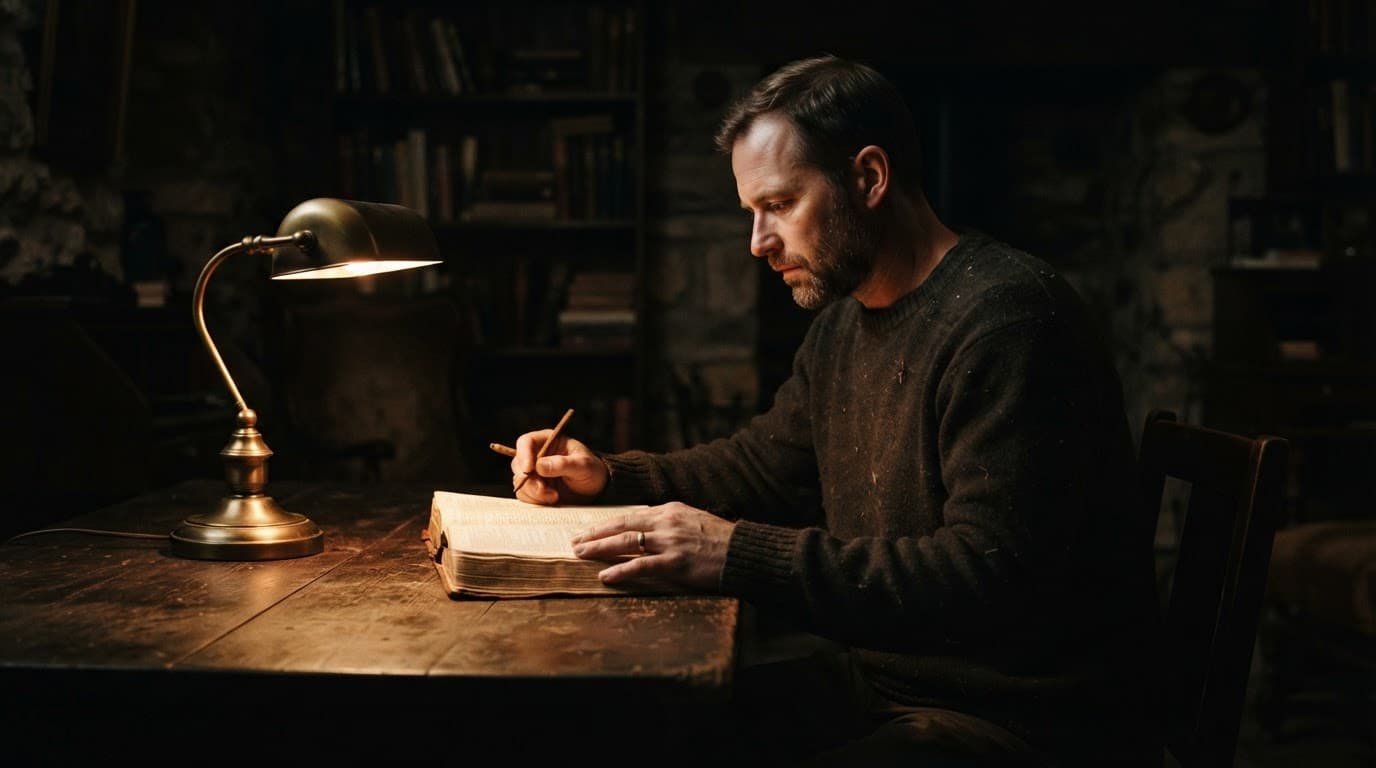
This promise does not give us permission to drift into disobedience. Jesus said in John 15:4-5 that we must abide in Him, because a branch cannot bear fruit by itself. Perseverance depends on continued union with Christ, not on religious activity separated from Him.
What Perseverance in Faith Looks Like in Scripture
Perseverance in faith is not merely surviving difficult circumstances. It is continuing in trust, obedience, prayer, and hope because Christ is worthy, even when the path is painful.
Faith Continues in Obedience
Jesus connected love for Him with obedience. In John 14:15, He said, "If ye love me, keep my commandments." This is not a call to earn salvation. We are saved by grace through faith, not by our works. Yet genuine faith does not remain alone. It produces a life that listens to Christ and follows His commands.
The church cannot call rebellion faith. We cannot claim to trust Jesus while deliberately rejecting what He has said. Perseverance includes returning to the Word, confessing sin, receiving correction, and obeying God when obedience costs us comfort.
Hebrews 12:1 tells believers to lay aside every weight and "run with patience the race that is set before us." The picture is not of a person sprinting for one moment. It is a long race that requires endurance, discipline, and a fixed direction.
Faith Endures Suffering Without Calling God Unfaithful
James 1:2-4 tells Christians to count it joy when they meet various trials, because the testing of faith produces patience and spiritual maturity. James is not telling us to pretend that suffering feels pleasant. He is teaching us to see that God can work through trials without being the author of evil.
Paul makes a similar statement in Romans 5:3-5. Suffering produces endurance, endurance produces character, and character produces hope. That hope does not disappoint because God's love has been poured into our hearts through the Holy Spirit.
Suffering can expose what we have been trusting. It can also drive us to trust Christ more fully. Perseverance does not mean hardship is small; it means God's faithfulness is greater than hardship.
Faith Keeps Looking to Christ
Hebrews 12:2 tells us to look "unto Jesus the author and finisher of our faith." The writer points believers away from themselves and toward Christ, who endured the cross and despised its shame for the joy set before Him.
We cannot endure faithfully by staring at our own weakness. Our strength rises as we remember the cross, the empty tomb, the promises of God, and the return of Christ. The believer's hope is not a vague belief that things may improve. Our hope is a person, Jesus Christ.
When Doubt and Spiritual Weariness Test Your Faith
The Bible does not hide the struggles of faithful people. David asked why his soul was cast down in Psalm 42. Elijah became exhausted and afraid in 1 Kings 19. The father seeking healing for his son cried to Jesus, "Lord, I believe; help thou mine unbelief" (Mark 9:24).
That prayer is not a polished statement from a man who had no questions. It is an honest cry from someone who believed enough to bring his weakness to Jesus. Doubt becomes dangerous when we protect it, cherish it, and use it as a reason to reject God. But bringing doubt into the presence of Christ is different from surrendering to unbelief.
God dealt with Elijah's weariness with compassion. The prophet received rest, food, God's presence, and renewed direction. The Lord did not declare Elijah useless because he was tired. Spiritual weariness is real, and we must not confuse exhaustion with apostasy.
When our faith feels weak, we return to what God has already revealed. We pray even when prayer feels difficult. We open Scripture even when our emotions are numb. We tell the truth about our condition without making our condition the final authority.
"I believe; help thou mine unbelief" is a faithful prayer because it brings weakness to Jesus instead of hiding it from Him.
Perseverance in faith may look ordinary on a hard day. It may be attending worship, asking for prayer, confessing sin, reading one Psalm, or refusing to abandon Christ while answers remain delayed. These acts do not purchase God's mercy. They are ways we continue turning toward the One who gives mercy.
Prayer and Christian Community Help Us Stand
God never designed Christian perseverance as a private achievement. Scripture repeatedly joins endurance with prayer and fellowship. Romans 12:12 tells believers to be "patient in tribulation; continuing instant in prayer." Prayer keeps us dependent on God instead of allowing suffering to make us self-sufficient or bitter.
We should pray with honesty, but we should also pray with submission. Jesus prayed in Gethsemane while facing the cross, "Not my will, but thine, be done" (Luke 22:42). Faith does not demand that God follow our schedule. Faith brings our requests to the Father and trusts His wisdom.
Christian community matters because discouragement grows in isolation. Hebrews 3:13 commands believers to exhort one another daily so that no one becomes hardened by the deceitfulness of sin. A faithful brother or sister may remind us of a promise we have forgotten, correct us when we are drifting, or pray with us when words fail.
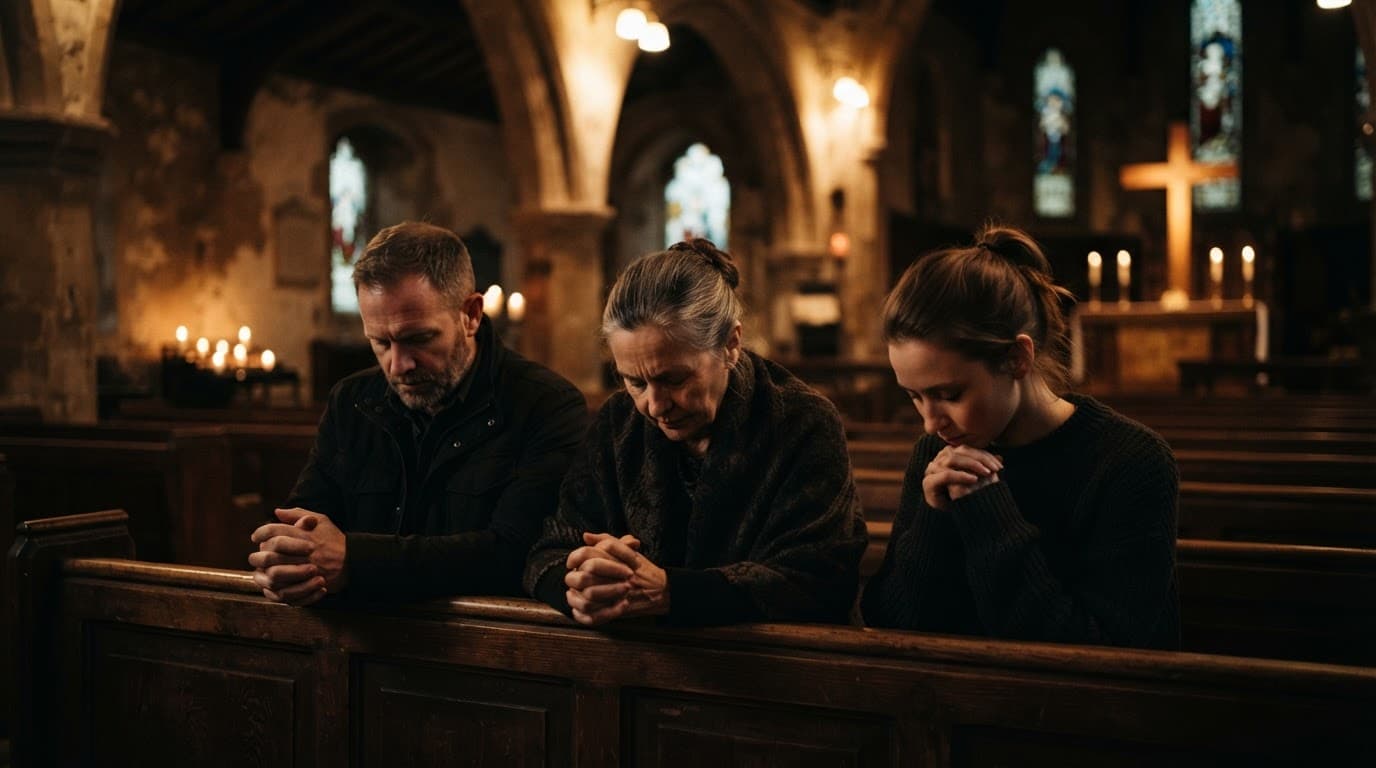
We need the gathered church, biblical preaching, worship, prayer, and the encouragement of other believers. A coal removed from the fire grows cold more quickly. In the same way, a Christian who continually separates from the body of Christ should not be surprised when spiritual warmth begins to fade.
This does not mean every church is perfect. No church is perfect because every local congregation is made up of sinners being sanctified. It means God has given the church as a place where truth is taught, burdens are shared, and believers are urged to remain faithful.
Hope in Christ Keeps the Believer Moving
Jesus said in Matthew 24:13, "He that shall endure unto the end, the same shall be saved." He spoke these words while teaching His disciples about coming opposition, deception, persecution, and the need for watchfulness. Endurance is not a payment that earns salvation. It is the continuing evidence of a faith that truly rests in Christ.
The Bible gives us a future hope that suffering cannot destroy. Romans 8:18 says the sufferings of this present time are not worthy to be compared with the glory that will be revealed. Revelation 2:10 calls believers to be faithful unto death and promises the crown of life.
We do not know every trial that lies ahead. We do know the One who will meet us in every trial. Christ is not only the beginning of our faith. He is also its keeper and its final reward.
Conclusion: Stand Firm by Looking to Christ
The Bible's teaching on perseverance in faith is both a command and a comfort. We are called to continue in obedience, endure suffering, resist discouragement, pray without giving up, and remain connected to the people of God.
Yet our perseverance does not rest on our strength alone. God is faithful, Christ is sufficient, and the Holy Spirit helps us endure. When doubt rises and spiritual weariness settles in, we bring those burdens to Jesus instead of turning away from Him.
The road may be hard, but the promise remains sure: the God who began His work in us is faithful to complete it. Keep looking to Christ, keep holding to His Word, and keep walking in faith.