Death and life are in the power of the tongue, and God has given you a choice in what you speak. A thought can enter your mind without your permission, but that thought doesn't have to come out of your mouth as though it were the truth.
We understand the power of words by looking at what Scripture says they produce. Before we speak, there's a question worth settling: Are these words in agreement with what God has said?
The Tongue Produces Fruit
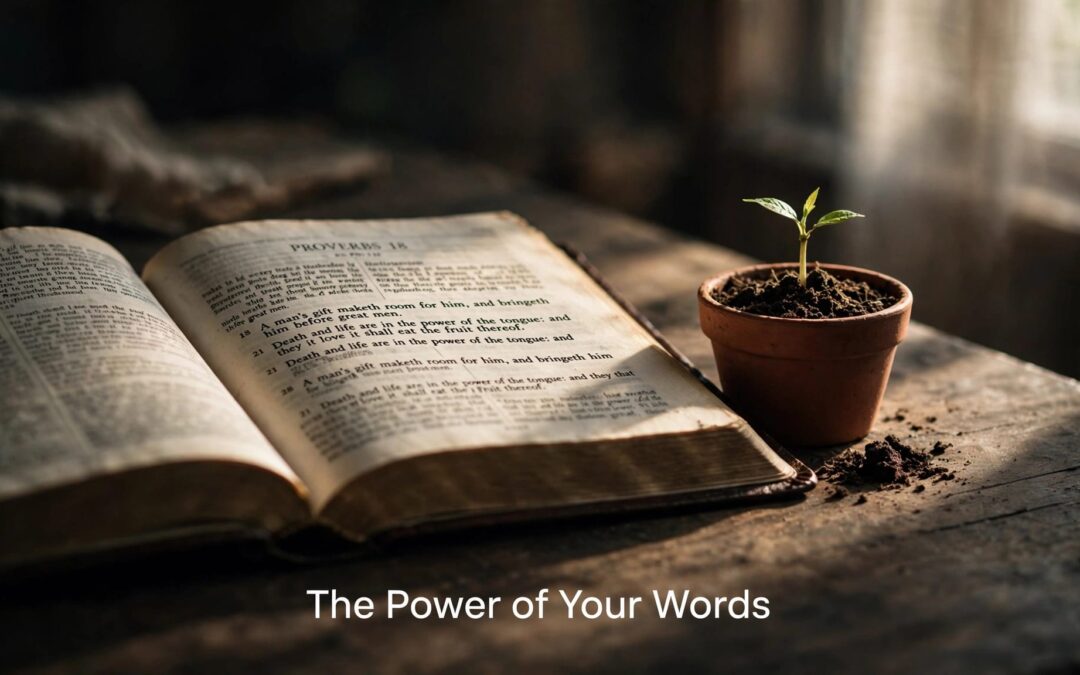
Death and life are in the power of the tongue: and they that love it shall eat the fruit thereof. (Proverbs 18:21)
Proverbs 18:20 also speaks of the fruit of the mouth. Read those two verses together and the point is plain. Words produce something, and the person speaking them will have to live with what they produce. Our words are part of what we sow, which is why the tongue matters when we talk about sowing to the Spirit.
Faith doesn't require us to deny what we're facing. Job knew what he had lost. He knew what hurt. The choice before him was whether his suffering would determine what he said about God.
Job Held On to His Integrity
In Job 2, God Himself called Job upright and said that he still held on to his integrity. Satan was certain that if Job suffered in his own body, he would curse God to His face. Then came the painful sores. Job sat among the ashes with a piece of broken pottery, and his own wife said, "Curse God and die."

Job asked whether they should accept good from God and refuse to accept trouble. Scripture tells us that in all this, Job did not sin with his lips. The sores were real, and the voice telling him to give up came from someone close to him. Neither changed what Job knew about God.
This is why we need the Word of God when we're under pressure. The shield of faith is for defense, but the sword of the Spirit is the Word of God. When the enemy puts a lie before us, we have something to answer with.
The Mouth Reveals What’s in the Heart
Pastor Tom's picture of the well makes this plain: whatever is down in the well will eventually come up in the bucket. Jesus teaches that the mouth speaks out of what's stored in the heart. James shows us how much damage that speech can do. A small tongue can set a great fire, and Jesus says we'll give account even for careless words. Both warnings are there in Matthew 12:34-37 and James 3:2-12.
This is why the mind must be renewed. "I'll never pass that test. I'll never get that job. I'll never get well." A thought like that can come so often that it starts to sound like a settled fact. But repetition doesn't make it true. When we read Proverbs 18:21 alongside Philippians 4:8, we can see the connection between what we dwell on and what we eventually speak. Paul tells us to think on what is true, honest, just, pure, lovely, and worthy of praise.
God's Word teaches us how to think before it teaches us how to answer. That's the importance of keeping Scripture in the heart, where it's already within reach when fear or unbelief starts talking. Pastor Terry Taylor's teaching on the Parable of the Sower returns to that same matter of what takes root in the heart.
A Word at the Right Time Can Give Grace
One word spoken at the right time can be worth more than we know. Proverbs compares it to apples of gold in a setting of silver. "Are you okay?" or "Can I pray for you?" may be only a few words, but they can reach someone who has been hurting and no one has stopped to ask.
Paul tells us in Ephesians that our words ought to build up the person who hears them and give grace where it's needed. Criticism does the opposite. It's easy to look down on somebody else, especially when envy has already found a place in the heart. But we're all going to stand before God. The person we're tearing down is accountable to Him, and so are we.
A Guarded Mouth Still Has Something to Say
In Psalm 39:1, David speaks of putting a bridle on his mouth so he won't sin with his tongue. We know what that looks like when an inappropriate joke goes around at work. We don't have to add to it. There's a time to keep our words few, and there's a time when a good word needs to be spoken. Our prayer is that God would help us know the difference.
Hebrews calls praise a sacrifice, the fruit of lips that confess God's name. When we give our mouths to praise, we aren't giving them to gossip, slander, or fear.

At Pentecost, the Holy Ghost came upon the believers and gave them utterance in other tongues. God gave them words with which to glorify Him. We believe the Holy Ghost still fills believers, and the more we yield to Him, the more our speech ought to sound like people who have been with the Lord.
Forgiveness Is Something We Can Speak
"I forgive you" may be hard to say while the hurt is still fresh. The heart may take time to come into agreement with those words. But we don't have to wait until the hurt is gone before we choose to forgive, and we don't have to let the offense dictate what we say next.
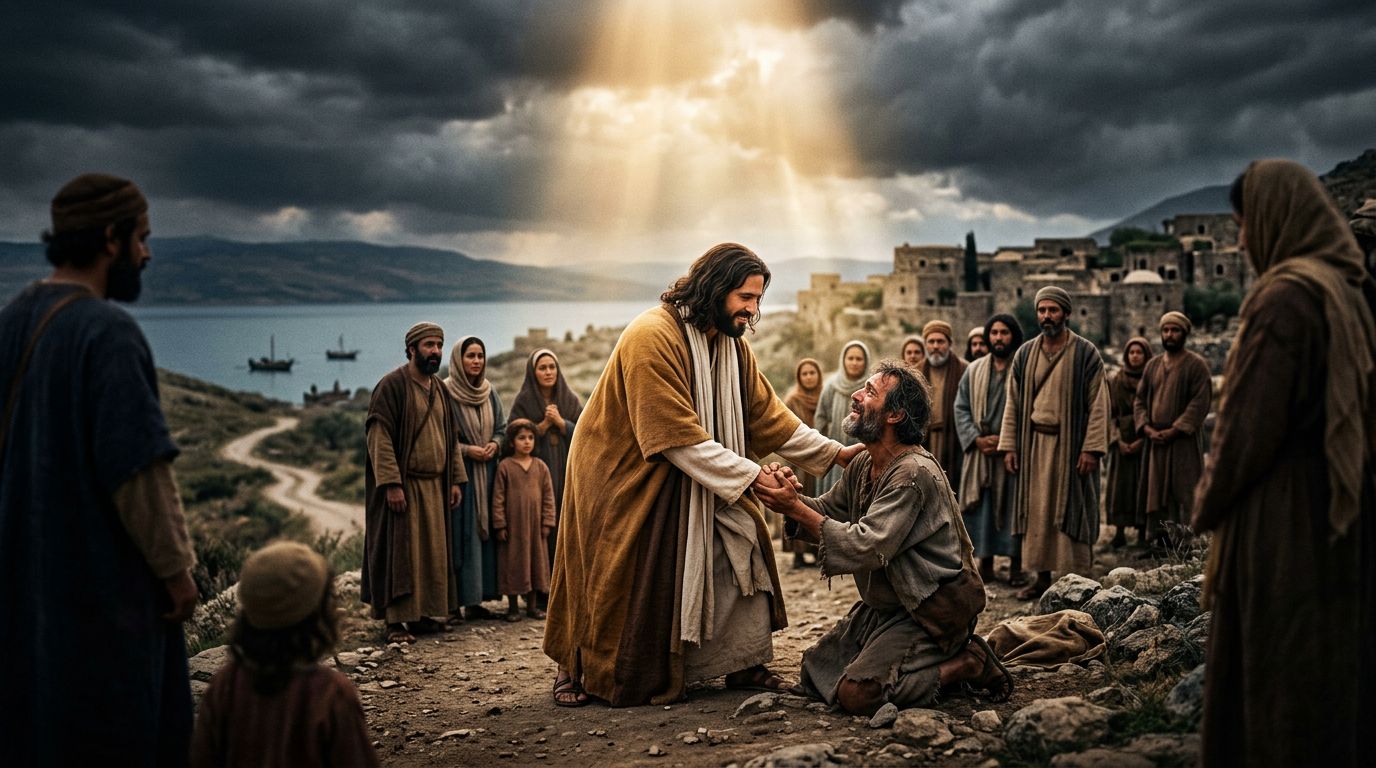
Jesus Himself showed us this on the cross. While He was still suffering, He asked His Father to forgive the people who were crucifying Him because they didn't know what they were doing. The wrong was real. Jesus spoke forgiveness while it was still being done to Him.
The Word of God Has the Final Say
Our prayer is that God would guard our mouths and make the thoughts of our hearts acceptable to Him. We need His help to keep from giving doubt and unbelief a voice.
The power of the tongue is a responsibility God has given us. We speak life when we bring our words into agreement with His Word.